Technology news and discussion on TalkFuse.
The SpaceX Falcon Lunar Crash Is a Warning for Moon Bases
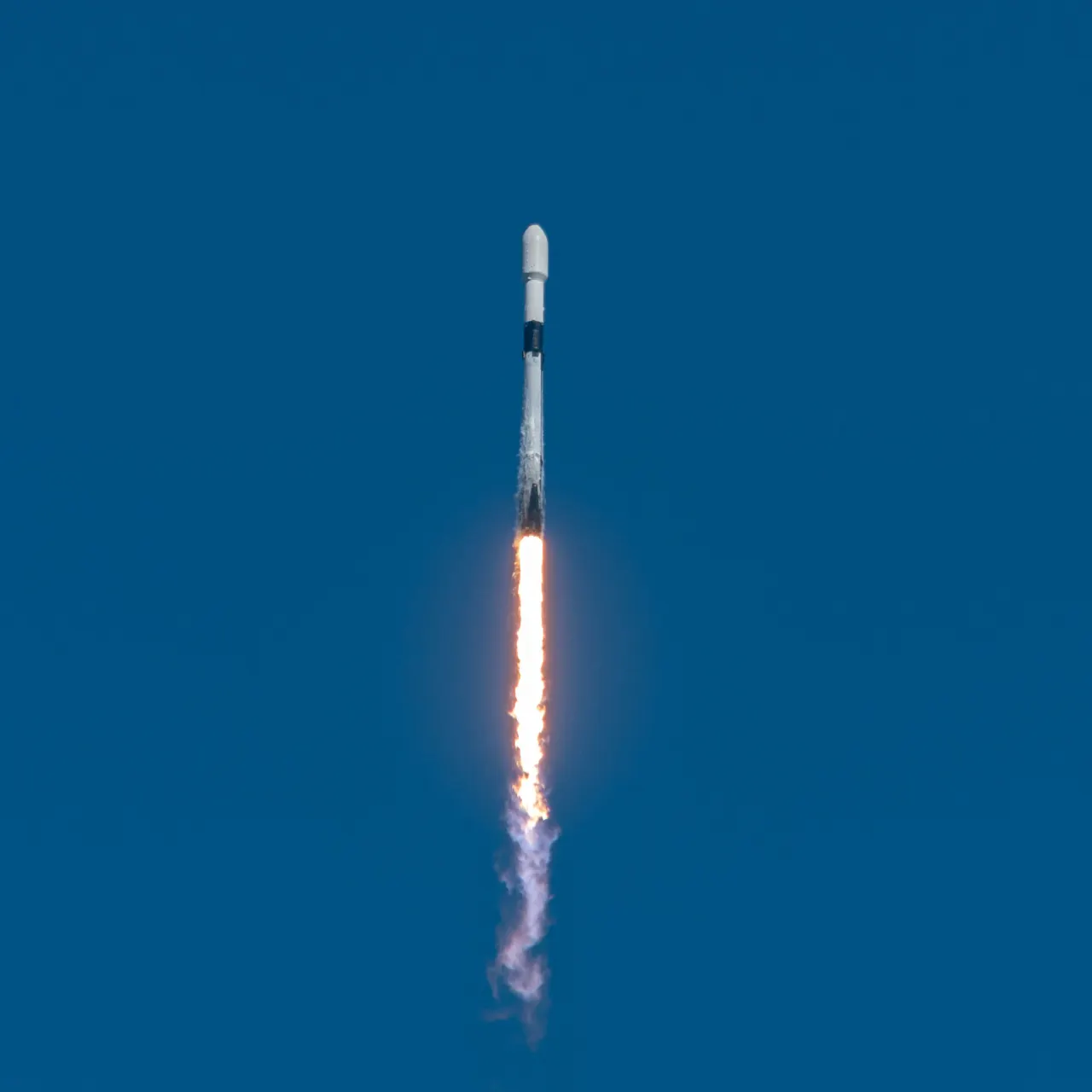
A spent SpaceX Falcon 9 upper stage, left drifting in space for 18 months after delivering two lunar landers, is set to crash into the Moon on Wednesday, producing a debris cloud that may be visible from Earth through a telescope. Researchers say the event offers a rare opportunity to study the risks that space debris and impact events pose to future lunar bases, as NASA, China and other nations plan crewed and uncrewed missions to the Moon in the coming decades.
The 4-metric-tonne rocket stage, which lacked the fuel to return to Earth or enter a stable orbit, is expected to strike near Einstein Crater on the Moon's near side at around 6:34am UTC, travelling at roughly 5,400mph. With no atmosphere to slow it, the impact will release energy equivalent to about 3 tonnes of TNT, gouging a crater up to 27 metres wide and 5 metres deep. It follows a similar accidental impact by a Chinese rocket stage in March 2022, and scientists including Bill Gray and Benjamin Fernando say tracking such events helps assess the "multi-modal hazards" that debris, seismic flashes and ejected material could pose to astronauts and infrastructure once permanent lunar bases are built.
In short
- Spent SpaceX rocket stage set to crash into the Moon on Wednesday
- Impact will create a crater up to 27 metres wide
- Scientists say it helps assess debris risks to future moon bases
Explained simply
A rocket’s upper stage is the part that gives a spacecraft its final push after launch. Once its work is done, it may remain in space if it cannot return to Earth or move into a stable orbit. With no atmosphere on the Moon to slow it down, a falling object can strike at high speed and throw material across the surface.
Scientists study impacts to understand how they might affect future lunar missions. NASA, China and other space agencies are planning missions that could put people and equipment on the Moon. Knowing how debris, ground shaking and scattered material behave can help assess risks to astronauts and lunar facilities.