Entertainment news and discussion on TalkFuse.
The Steam Machine’s $1,000+ price tag is unlikely to come down anytime soon as Valve says the memory crisis is “still getting worse”
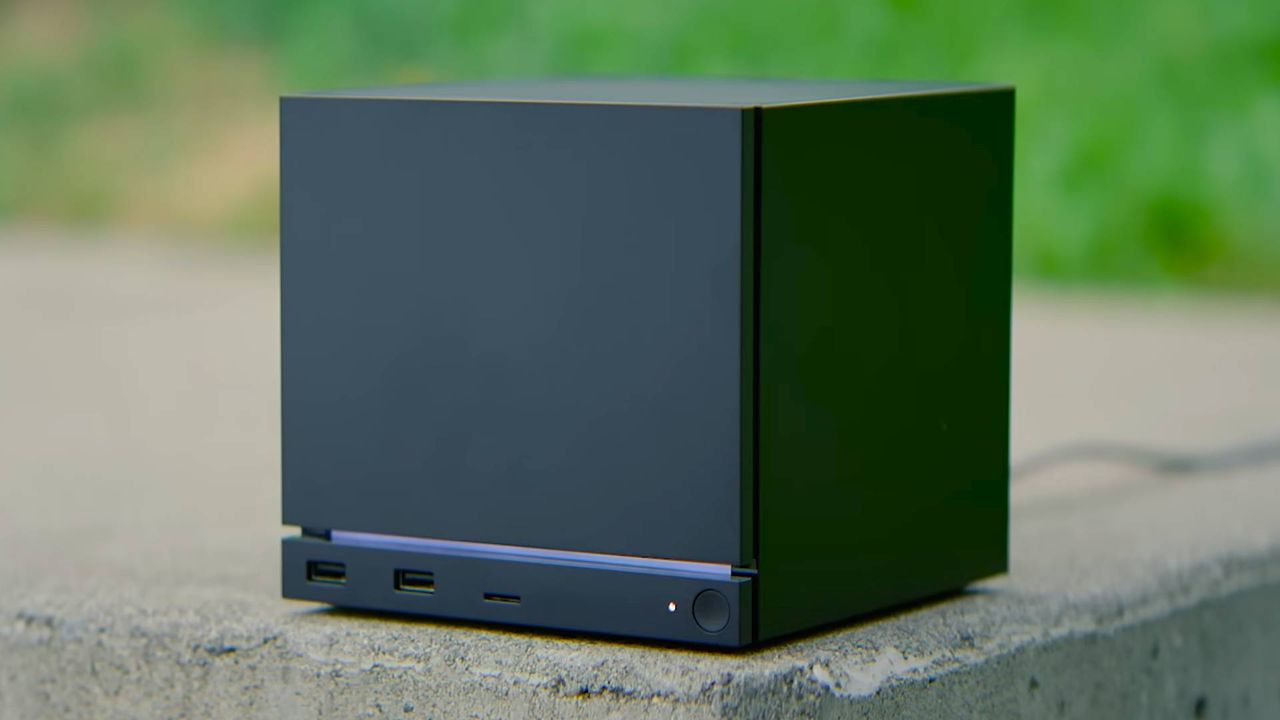
The Steam Machine's entry-level configuration carries a price tag exceeding $1,000, a barrier that appears unlikely to fall in the foreseeable future. This steep cost reflects broader pressures affecting the entire consumer hardware market, as artificial intelligence infrastructure development has created unprecedented demand for memory chips and storage components that manufacturers rely upon.
The outlook from industry leaders suggests the situation will remain tight or deteriorate further. Valve's engineering team describes supply conditions as worsening, whilst market observers note that consumer shelf prices currently lag behind bulk supply conditions by several months, pointing to underlying scarcity. Industry forecasters predict costs could climb significantly higher before normalising, with some projecting elevated component pricing through the second half of 2027.
In short
- Steam Machine base model exceeds $1,000 with no expected price relief
- AI data centre demand has triggered acute shortages in memory and storage across consumer hardware markets
- Industry expects component costs to remain elevated or increase through 2027
Steelman: both sides, in good faith
The strongest fair case each way — we don't pick a winner.
The case for
The memory shortage is a genuine market constraint driven by AI infrastructure demand that would persist whether Valve launches now or delays the product. Releasing immediately allows the company to establish the Steam Machine in the marketplace whilst supply constraints exist. The pricing reflects unavoidable scarcity rather than excessive profit-taking, and Valve can refine the offering as component availability eventually improves.
The case against
A $1,000+ entry price substantially limits the Steam Machine's market penetration and ability to build the ecosystem momentum necessary for successful platform launch. Valve could instead release a lower-specification configuration at a more accessible price point, pursue a delayed launch to capture lower component costs, or redesign the device to balance cost and capability. Accepting premium pricing from the outset risks establishing the product as a niche luxury item rather than building the mainstream adoption needed for long-term success.
Explained simply
The Steam Machine is Valve's gaming device designed to bring PC gaming to living rooms and compete with traditional games consoles like the PlayStation and Xbox. Its entry-level model costs more than $1,000, making it significantly more expensive than most rival gaming platforms.
The high cost reflects a shortage of memory chips and storage components affecting the entire consumer hardware industry. Artificial intelligence development has created intense demand for these components, as companies building AI systems and data centres need vast quantities, driving up prices for everyone else competing for the same limited supplies.
This shortage means hardware prices are likely to remain elevated for at least the next couple of years. Retail prices typically lag behind actual scarcity by several months, which suggests the underlying shortage in supply chains is even more severe than shop shelves might indicate to consumers.