The story behind new circles on Aussie roads in trial to protect motorcyclists from other drivers
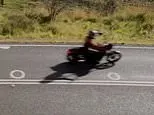
Victoria is trialling circular road markings intended to help motorcyclists take bends more safely, particularly right-hand curves where riders can drift towards oncoming traffic. The markings encourage riders to begin turns farther from the centreline and exit tightly, while also warning other road users of sharp or low-visibility sections.
Known as perceptual countermeasures, the markings have reportedly reduced motorcycle crashes in overseas trials; an Austrian trial in 2019 recorded reductions of up to 80% at some sites. Funding has also been secured for trials in New South Wales, Tasmania and Queensland, amid a wider concern over Australia’s rising road toll: 1,326 people died in the 12 months to July, the fifth consecutive annual increase.
- Victoria trials markings to improve motorcycle cornering safety.
- They aim to prevent riders crossing into oncoming traffic.
- Similar overseas trials reported major crash reductions.
Both sides, in good faith
The strongest fair case each way — we don't pick a winner.
The case for
Supporters argue that testing low-cost perceptual markings is a practical, evidence-informed way to reduce a recognised risk for motorcyclists: misjudging right-hand bends and crossing towards oncoming traffic. If overseas results are even partly transferable, clear visual cues could prevent serious injuries and deaths without imposing major restrictions on riders or requiring expensive road reconstruction. They also see the markings as a broader safety signal for drivers approaching sharp or obscured curves, justified amid a rising road toll.
The case against
Sceptics argue that promising overseas trials do not by themselves establish that the markings will work reliably across Australia’s varied roads, weather, traffic patterns and rider behaviour. They may worry that unusual road paint could distract, confuse or create a false sense of security, while the reported reductions at selected sites may not reflect typical results. From this perspective, trials should be independently evaluated for unintended effects and value for money alongside proven measures such as safer road design, speed management, training and enforcement.