Weird & Viral news and discussion on TalkFuse.
The “strange” 1960 record John Lennon called everything he wanted: “This is what it’s all about”
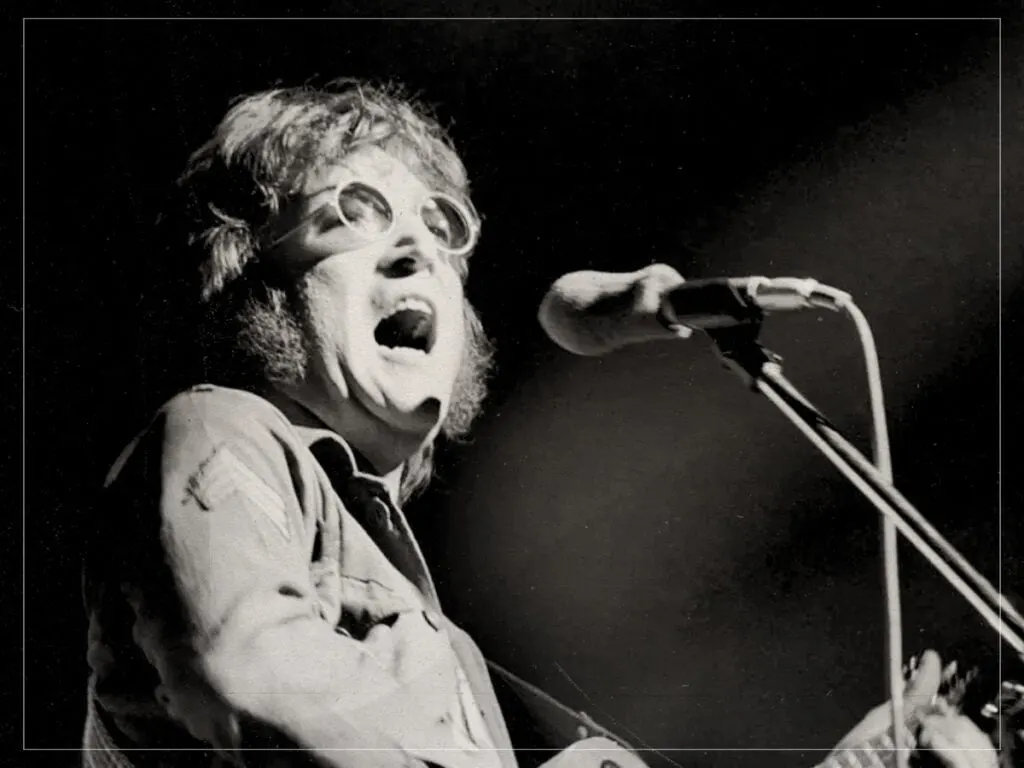
The article examines a 1960 experimental record that John Lennon reportedly regarded as an ideal expression of what he wanted from music. It presents the album as significant because its unconventional sound anticipated the Beatles’ later interest in studio experimentation, abstraction and challenging conventional pop forms.
It argues that Lennon was drawn to the record’s freedom, unpredictability and refusal to follow normal musical rules, rather than to polished songcraft. The piece places this enthusiasm within the wider avant-garde and jazz-influenced culture of the period, suggesting such influences helped shape Lennon’s increasingly adventurous artistic outlook during the 1960s.
In short
- Lennon admired a boundary-pushing 1960 experimental album.
- Its unconventional approach foreshadowed later Beatles experimentation.
- The record represented artistic freedom over conventional pop structure.
Steelman: both sides, in good faith
The strongest fair case each way — we don't pick a winner.
The case for
Those who emphasise this influence would argue that Lennon's documented appreciation of experimental, avant-garde music was genuinely formative to his artistic vision. The Beatles' later studio experimentation—from Rubber Soul onwards—reflected precisely the kind of freedom, unpredictability and boundary-pushing that Lennon admired in this 1960 record. Understanding such influences helps explain why the Beatles evolved from straightforward pop into increasingly adventurous artists, and recognising these factors provides a fuller picture of their artistic development.
The case against
Those sceptical of this framing would contend that whilst Lennon may have admired experimental music, attributing excessive significance to avant-garde influences obscures what actually shaped the Beatles' output. Commercial pop sensibilities, songwriting craft, band dynamics, and practical recording considerations were more substantially important to their development. The Beatles' innovation came not from imitating experimental forms but from synthesising pop accessibility with increasing sophistication—a balance rooted as much in popular music traditions as in any avant-garde inspiration.
Explained simply
John Lennon was reportedly deeply impressed by an experimental record from 1960, which he considered to embody exactly what he wanted from music. The album featured an unconventional sound that departed from traditional musical structures, instead emphasising freedom and unpredictability over polished songcraft.
The artistic world of the early 1960s was influenced by avant-garde movements and jazz traditions that encouraged artists to challenge established conventions. Lennon's admiration for this record reflects the cultural climate that would eventually shape the Beatles' own shift towards experimental studio techniques and more abstract, unconventional approaches to popular music.