Technology news and discussion on TalkFuse.
The Summit in Shenzhen: Kevin Rudd Warns against War in Taiwan
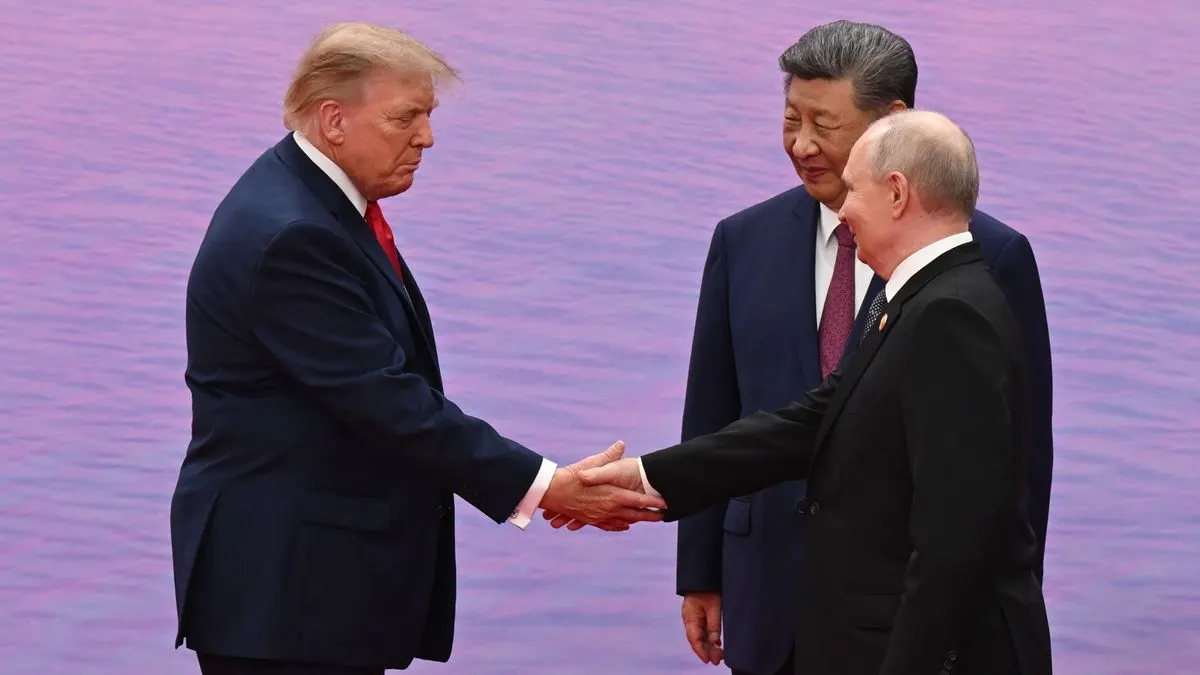
Former Australian prime minister Kevin Rudd argues that a proposed US-China “G2” partnership is not viable, making a three-way division of global influence with Russia even less plausible. His comments address European fears that Donald Trump, Xi Jinping and Vladimir Putin could revive imperial-style deal-making at a summit in Shenzhen.
Rudd says the strategic differences between China and the United States are too great for such an arrangement, and that Xi would see Trump as unpredictable. He also says there would be no broad US support for a G2; past discussion of a new great-power relationship during Barack Obama’s presidency has since faded.
In short
- Rudd says a US-China G2 is not viable.
- He argues a G3 involving Russia would not work either.
- Strategic differences and uncertainty undermine such deals.
Explained simply
The United States and China are the world’s two largest powers, but they compete over trade, technology and security. Taiwan is a self-governing island claimed by China; the United States supports Taiwan’s ability to defend itself, a position that has long been a source of tension between Washington and Beijing.
A “G2” is a proposed arrangement in which the US and China would share leadership on major global issues. Kevin Rudd, Australia’s former prime minister and a China specialist, says the countries’ differences make that unlikely. Talk of a closer US-China relationship also arose during Barack Obama’s presidency, but did not lead to a lasting partnership.
European concerns about great powers dividing influence reflect fears that smaller countries could have less say over their own affairs. A three-way arrangement involving Russia would be broader still, though the countries involved have different interests and relationships.
AI Asia Geopolitics Politics Technology World