Business news and discussion on TalkFuse.
The Super El Niño survival kit: Scientist reveals the food items Brits should stockpile as the extreme weather event ramps up
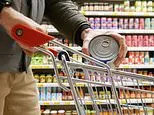
The UK government and food security experts are urging households to stockpile emergency food supplies ahead of a "Super El Niño" weather event, which is expected to bring severe storms this autumn before a cold snap in winter. Defra Secretary Dame Angela Eagle said having a food store could help people cope before emergency services can reach them, while Professor Elizabeth Robinson of the London School of Economics said such preparation makes sense for households that can afford it, though she stressed government also has a responsibility to ensure the country's overall food resilience.
Professor Robinson recommends keeping two weeks' worth of non-perishable food and water at home, including pasta, rice, tinned foods that need no heating, beans, pulses, tinned fish or meat, vegetables, tinned fruit, and UHT or powdered milk. The government's own "household emergency plan" separately lists nine essential supplies, among them a torch, power bank, radio, spare batteries, first aid kit, wet wipes, bottled water and a tin opener, plus nappies and formula for households with babies. El Niño occurs every two to seven years when weakening Pacific trade winds let warm water build up, raising global temperatures and disrupting weather; Robinson also warned it could push up food prices, particularly for imported fruit, vegetables, rice, coffee, cocoa, tea, animal feed and meat and dairy.
In short
- Defra urges Brits to stockpile food ahead of Super El Niño storms
- Expert advises two weeks of non-perishables like pasta, tins, UHT milk
- El Niño may also push up UK food prices, expert warns
Steelman: both sides, in good faith
The strongest fair case each way — we don't pick a winner.
The case for
A household food reserve could help people manage if severe weather disrupts deliveries, power or access to shops before emergency services can reach them. Keeping basic supplies on hand is a practical precaution, and may reduce pressure on public services during a crisis.
The case against
Encouraging stockpiling may shift responsibility for food security onto households, while people on low incomes or with limited storage may be unable to prepare. The government has a broader role in keeping supply chains resilient and ensuring people can access essentials, and panic buying could make shortages harder for others.
Explained simply
El Niño is a climate pattern that occurs every few years when changes in winds allow warmer water to build up in the Pacific Ocean. It can affect weather in many parts of the world and raise global temperatures, though its effects vary by place and are difficult to predict precisely.
Food resilience means being able to keep supplies available when weather or other disruption affects production and deliveries. The UK relies on imports for some foods, so poor growing conditions abroad can affect what is available and its price at home.
Household emergency plans are intended to help people manage if services or deliveries are interrupted. Experts and government officials have different roles in this discussion: households may prepare for short-term disruption, while government is responsible for the wider resilience of the food supply.
Business Culture Environment Food Markets Science World