Culture news and discussion on TalkFuse.
The three biggest RAM makers have already sold all their 2027 output, report says, potentially stretching price woes into 2028
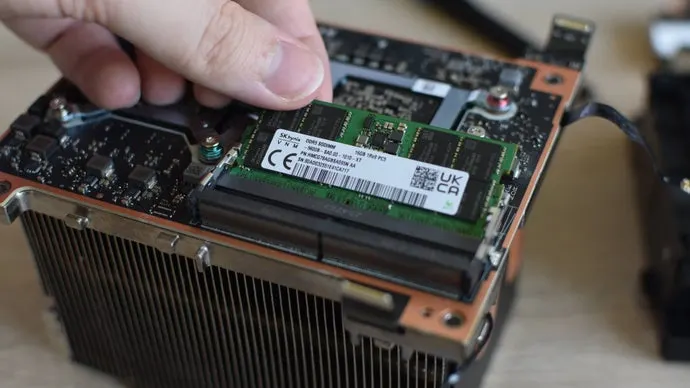
Samsung, Micron and SK Hynix – the world's three largest memory chip makers – have reportedly sold out their entire manufacturing capacity for both 2026 and 2027, according to Taiwanese outlet DigiTimes. This means PC gamers and buyers hoping for relief from soaring RAM, storage and graphics card prices are likely to be waiting until at least 2028, extending a components crisis that has already forced price hikes across the industry and hit products such as Valve's Steam Deck OLED and Steam Machine.
The report states that all three firms, who are also facing a US lawsuit over alleged price fixing, have exhausted their DRAM and HBM capacity through 2027, though NAND storage supply is in slightly better shape and expected to sell out by the end of this month. Hopes that emerging Chinese manufacturers such as CXMT might ease the squeeze appear premature, as only a handful of manufacturers, including HP, Asus and Acer, currently use their memory, and only in limited Asia-market products. Compounding the problem, demand from the AI industry's data centres shows no sign of slowing, meaning any extra supply could simply be absorbed there rather than reaching consumer PC parts.
In short
- Top RAM makers have sold out capacity through 2027, report claims.
- Gaming hardware price pain likely to persist until 2028.
- AI industry demand and limited Chinese supply offer little near-term relief.
Steelman: both sides, in good faith
The strongest fair case each way — we don't pick a winner.
The case for
The RAM market is experiencing a normal supply constraint driven by genuine high demand from both AI data centres and consumer electronics. Manufacturers selling their entire manufacturing capacity at premium prices is expected market behaviour and signals that suppliers are meeting the demand they can profitably serve. This situation will resolve naturally as supply eventually increases, demand normalises, and competitors like Chinese manufacturers gradually expand their market share. Market forces will correct the imbalance without intervention.
The case against
The concentration of over 85 per cent of global RAM supply in three companies, now controlling capacity through 2027, represents inadequate competition. The pending price-fixing lawsuit suggests potential anticompetitive conduct rather than legitimate market dynamics. Manufacturers could invest aggressively in capacity expansion to serve consumers at reasonable prices, but clear financial incentives favour maintaining artificial scarcity and high margins. The absence of meaningful alternative suppliers leaves consumers with no leverage, suggesting market failure that warrants policy scrutiny.
Explained simply
RAM is a type of memory that computers use to work with information quickly; DRAM is used in PCs and phones, while high-bandwidth memory (HBM) is designed for demanding tasks such as AI computing. NAND is a different kind of memory used for long-term storage in devices such as SSDs. Samsung, SK Hynix and Micron are the three largest makers of these chips.
Memory chips go into many products, including computers, graphics cards and game consoles. Making them requires specialised factories, so supply cannot be increased quickly when demand rises. AI data centres also use large quantities of memory, creating competition for the same manufacturers’ capacity.
If chip supply is tight while demand remains high, manufacturers and device makers may face higher costs or limited availability. That can affect prices and production across consumer electronics, although the impact depends on how much supply is available and where it is used.