The three ‘firsts’ of Buffy Sainte-Marie, and the controversy that erased a fourth
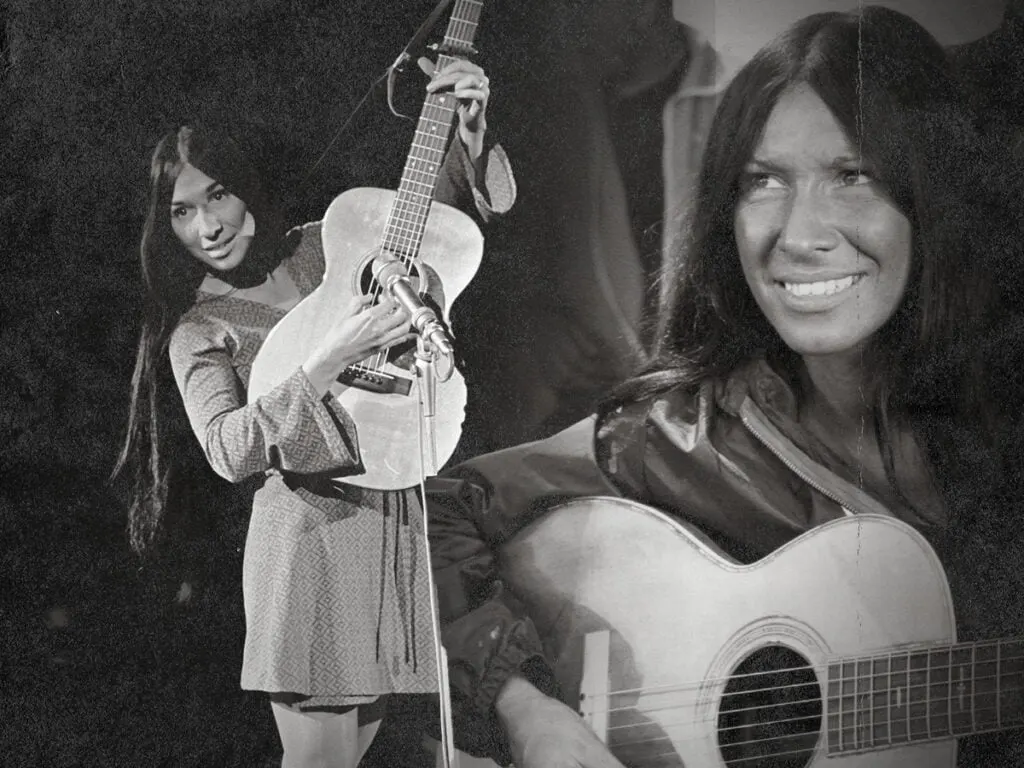
This article revisits the career of singer-songwriter Buffy Sainte-Marie, examining three genuine "firsts" she achieved in music and activism alongside a fourth claim that was later discredited. It draws a parallel with Sacheen Littlefeather, the activist who spoke on Marlon Brando's behalf at the 1973 Oscars, whose claimed Native American heritage was disputed by her family after her death in 2022, prompting scrutiny of other celebrated figures who had identified as indigenous, including Sainte-Marie.
Born in Massachusetts in 1941 to parents of English and Italian descent, Sainte-Marie presented herself from the 1960s onward as a full-blood Cree Indian said to have been born in Saskatchewan and later adopted by an American family. She built a celebrated career on this identity, becoming a revered figure in Canada who received 14 honorary doctorates, two Queen Elizabeth II Jubilee medals and the Companion to the Order of Canada, alongside acclaim for her 1964 debut album It's My Way, widely regarded as a landmark early singer-songwriter record. A 2023 Canadian Broadcasting Company documentary investigated "pretendian" claims against her, echoing the questions raised about Littlefeather and reopening debate over her true heritage and the honours built upon it.
- Buffy Sainte-Marie's claimed Cree heritage was challenged by a 2023 CBC documentary.
- Comparison drawn with Sacheen Littlefeather, whose Native identity was disputed after her 2022 death.
- Sainte-Marie earned major Canadian honours and acclaim partly tied to her indigenous identity.