Culture news and discussion on TalkFuse.
The three greatest Rolling Stones songs, according to Paul McCartney
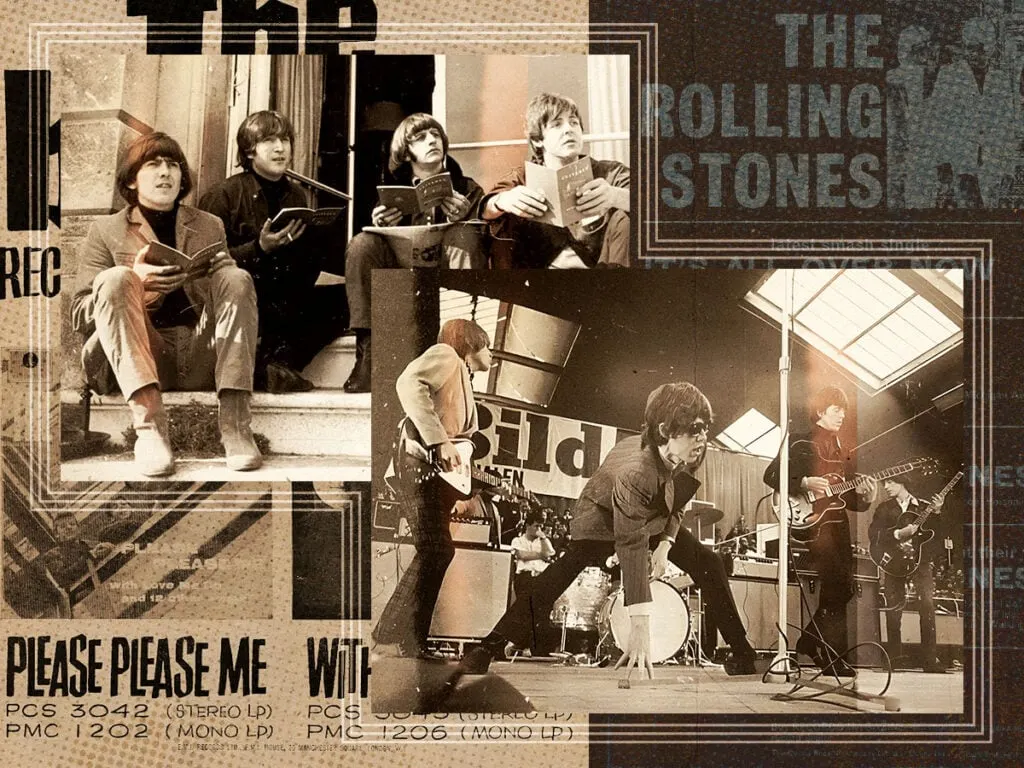
Paul McCartney has named his three favourite Rolling Stones songs in an interview with Esquire, offering a rare glimpse of the mutual respect that persisted despite decades of the two bands being cast as 1960s rivals. Though The Beatles and The Stones were marketed very differently – the Fab Four's clean-cut image against the Stones' "bad boys of rock and roll" reputation – the bands were never truly hostile, with Mick Jagger even recalling occasional friction giving way to lasting friendship.
McCartney's picks are '(I Can't Get No) Satisfaction' (1965), the Stones' first US number one, which Jagger credited with turning the band into "a huge, monster band"; 'Honky Tonk Women' (1969), a country-inflected track turned rock hit that topped charts in the US and UK; and 'Ruby Tuesday', an unexpected hit that was originally intended as a mere B-side but was pushed into the spotlight by radio stations, featuring Brian Jones on recorder. The Beatles and Stones connection dates back to 1963, when Lennon and McCartney wrote 'I Wanna Be Your Man' for the Stones, who took it to number 12 in the UK charts.
In short
- McCartney names his three favourite Rolling Stones songs in Esquire interview
- Picks are 'Satisfaction', 'Honky Tonk Women' and 'Ruby Tuesday'
- Highlights long-standing mutual respect despite 1960s Beatles-Stones rivalry
Explained simply
The Beatles and the Rolling Stones emerged in Britain in the 1960s and were often presented as rivals, with contrasting public images. In reality, members of the bands knew one another and sometimes worked together: John Lennon and Paul McCartney wrote “I Wanna Be Your Man” for the Stones in 1963.
The Stones became known for a blues-influenced rock sound and a run of major hits. “(I Can’t Get No) Satisfaction” was their first US number one, while “Honky Tonk Women” topped charts in both the US and UK; “Ruby Tuesday” was initially planned as a B-side before radio play helped bring it to wider attention. These songs help explain the band’s place in popular music and the lasting connection between the two groups.
Art Culture Entertainment Music