The TikTok joyriders causing carnage for clicks: GUY ADAMS asks why social media platforms host reckless driving gangs’ videos – and finds police aren’t allowed to pursue their vehicles
Developed over time first seen 2 months ago
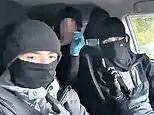
The deaths of five teenage boys in a car crash near Carlow, Ireland, have exposed a wider crisis involving the "Lucky Dip Gang", a network of youths who film reckless driving and stolen-car stunts for TikTok and Snapchat clout. The five, aged 15 to 18 and wearing balaclavas, died when their stolen BMW, being driven the wrong way at high speed while fleeing Gardai, collided head-on with a car carrying three sisters and a young child on their way to a wedding in Britain. The tragedy has sparked fierce debate over social media platforms' role in hosting such content and over police powers, since Gardai are reportedly barred from pursuing vehicles in circumstances like this.
The crash happened at 3.04am on the M9 near Carlow, when the BMW travelled at 75mph in the wrong lane before hitting a Hyundai carrying Ella Hendricken, Niamh and Alma Kinsella, and Alma's seven-year-old son Yemi, all of whom were seriously or critically injured. The Lucky Dip Gang, first identified by police in 2022, is estimated to comprise 60 to 100 members and is linked to at least 300 crimes in the past year; Irish vehicle thefts have nearly doubled since 2021, from 3,951 to 7,893 cases annually. Leaked figures show the gang's 11 most active members, averaging 16 years old, have been charged with 427 offences between them, yet almost none have been jailed, fuelling criticism of both law enforcement and the platforms that host their videos.
- Five Irish teens died filming a reckless police chase for TikTok clout.
- Crash victims include three sisters and a child, critically injured.
- "Lucky Dip Gang" linked to hundreds of crimes, few face jail.
Both sides, in good faith
The strongest fair case each way — we don't pick a winner.
The case for
Those pressing for tougher action argue that platforms bear real responsibility when they host and algorithmically amplify footage that glamorises life-threatening driving, since engagement-driven virality creates a direct incentive for ever more dangerous stunts. They contend that a blanket ban on police pursuing such vehicles can perversely embolden reckless drivers who know they will not be chased, and that when young lives are being lost, as in the crash that killed five men including 16-year-old Alex McCarthy, the moral urgency justifies revisiting both platform accountability and pursuit protocols so that this behaviour carries genuine, timely consequences.
The case against
Those more cautious about intervention argue that restrictive pursuit policies exist for sound safety reasons, since high-speed chases have historically caused fatal collisions involving innocent bystanders and officers, and are often judged a greater public risk than identifying a vehicle afterwards through number-plate recognition and video evidence. They also warn that pressuring platforms into aggressive content removal risks blunt, overreaching moderation that could sweep up lawful motoring content and set troubling precedents for policing expression, arguing instead that the underlying drivers of this behaviour, such as deprivation, thrill-seeking and peer status within some subcultures, are better addressed through targeted policing and youth investment than symbolic bans.