The Tragedy of Having a Wikipedia Page—and Then Losing It
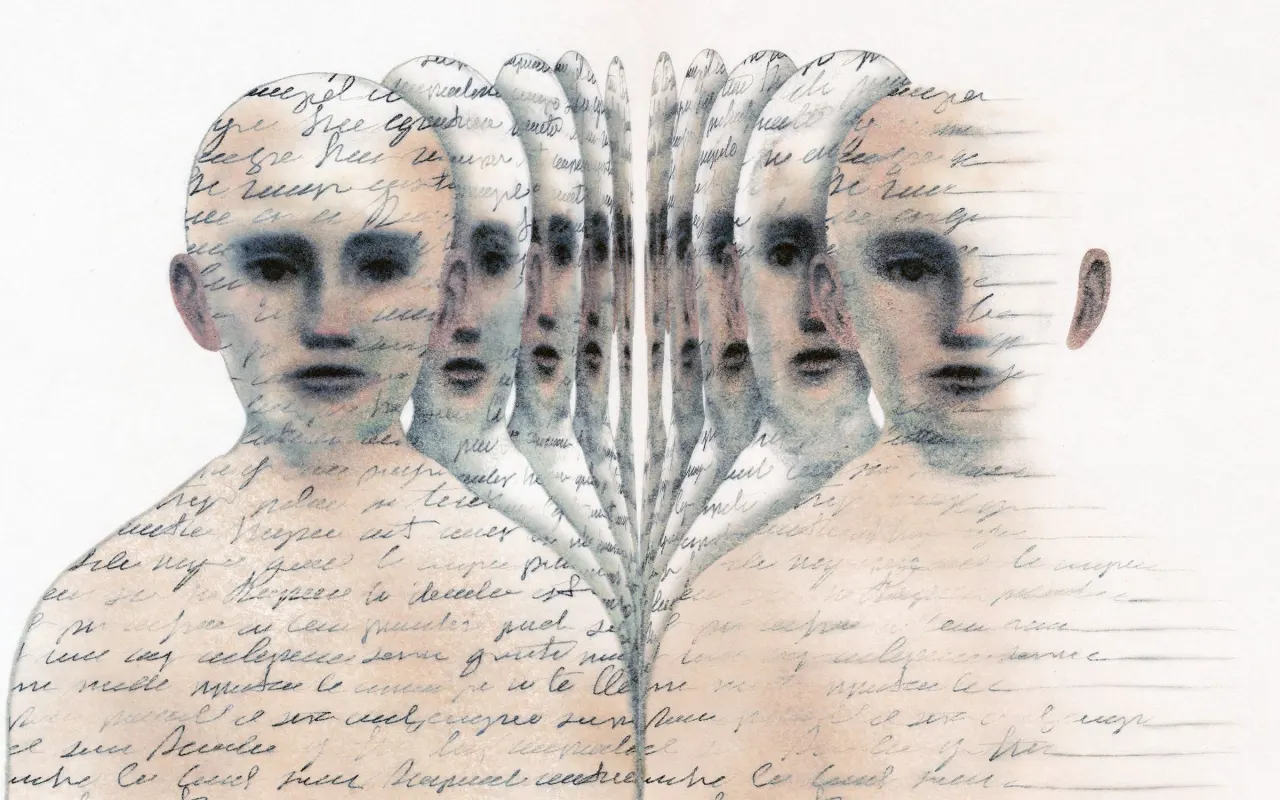
Wikipedia editors nominated dozens of biographies for deletion this year, including pages about people whose work mattered deeply to them. The decisions highlight the tension between preserving people’s public stories and ensuring the encyclopaedia relies on information that can be verified through reliable sources.
Wikipedia has more than seven million English-language articles, but limited volunteer time to check them, and editors assess whether evidence meets its standards rather than deciding whether a person is important. The article describes Kimberly Small, a Nevada nonprofit CEO, and a Balkan space professional whose page was nominated for deletion the day after she celebrated its appearance. It also notes that people are generally discouraged from editing their own biographies, even to correct errors, unless they disclose the conflict of interest.
In short
- Wikipedia pages can be deleted when reliable sourcing is insufficient.
- Editors judge verifiability, not a person’s worth or importance.
- Losing a biography can feel like losing part of the public record.
Steelman: both sides, in good faith
The strongest fair case each way — we don't pick a winner.
The case for
Keeping a biography on Wikipedia can preserve a person’s public record and make their work easier to discover, especially when it has mattered to a community but received little broad coverage. Deletion may feel especially harsh when a page disappears just after publication, and careful editors could sometimes improve or source an article rather than remove it.
The case against
Wikipedia depends on information readers can check against reliable, independent sources, and volunteer editors have limited time to assess a vast number of articles. Removing biographies that do not meet those standards helps maintain consistency and trust; personal significance alone cannot establish that a topic is sufficiently documented, and restrictions on editing one’s own page help guard against conflicts of interest.
Explained simply
Wikipedia is a free online encyclopaedia written and checked by volunteers. Its editors use published sources to decide whether an article can be verified and meets the site’s rules; they are not meant to judge a person’s worth or personal importance.
Biographies can be removed if editors conclude that reliable coverage is not enough to support a page. This can affect people whose work matters to their communities, while the vast number of articles also means volunteers have limited time to review them.
People are generally discouraged from writing about themselves because they may have a conflict of interest. They can flag errors, but are expected to disclose their connection and let other editors review changes.