The tragedy that stopped Led Zeppelin’s 2007 farewell from being everything John Paul Jones wanted
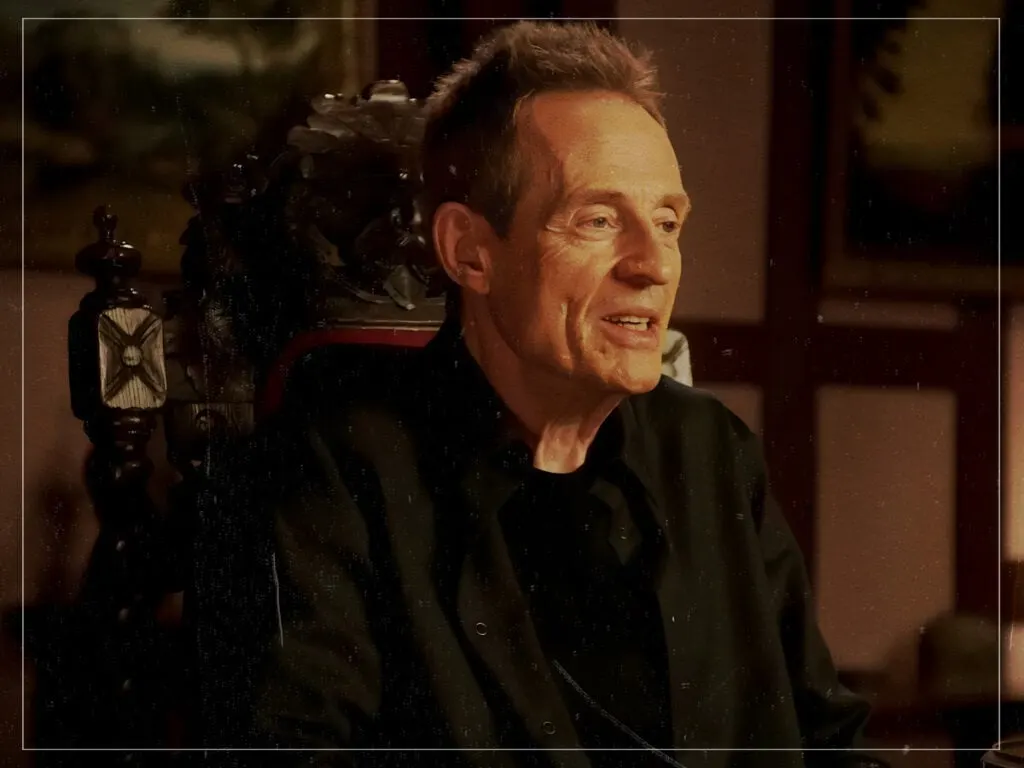
Led Zeppelin reunited after 27 years for a tribute concert at London's O2 Arena in 2007, with John Bonham's son Jason on drums, delivering one of their greatest-ever performances. However, singer Robert Plant refused to continue the reunion, prioritising his solo career and ending hopes of a full reunion tour.
The reunion held deep significance for John Paul Jones, who in 1980 had witnessed the original drummer's death, an image that would never leave him. Jones felt the O2 concert was merely "the first night of a tour" and hoped for further performances to honour Bonham's memory and provide closure. Plant's refusal denied the surviving members the farewell they sought, leaving the legacy they envisioned unrealised.
- Led Zeppelin reunited in 2007 after 27 years, with Bonham's son on drums
- Members wanted to tour but Robert Plant refused, ending the reunion
- The surviving members missed their chance at a proper farewell
New here? Start with this
Led Zeppelin were one of the greatest rock bands in history, achieving international fame from the late 1960s. The band disbanded in 1980 after the death of their drummer, John Bonham, an event that profoundly affected the surviving members.
Nearly three decades later, the three remaining members reunited for a one-off concert at London's O2 Arena in 2007 to commemorate Bonham's memory. Jason Bonham, the late drummer's son, played drums alongside the surviving original members, and the performance was widely regarded as one of the greatest rock concerts ever.
For John Paul Jones, the band's keyboard player, the reunion held particular significance as he had witnessed Bonham's death twenty-seven years earlier. The surviving members hoped the O2 concert would be the beginning of further performances and give them the proper farewell they felt they deserved, but Robert Plant, the band's singer, chose not to continue, instead focusing on his solo career.
Both sides, in good faith
The strongest fair case each way — we don't pick a winner.
The case for
The 2007 reunion concert demonstrated Led Zeppelin could deliver performances of extraordinary quality, and Jones felt it represented merely the opening of a reunion that ought to have continued. For Jones in particular, the reunion held profound emotional significance as a means of addressing the trauma of witnessing John Bonham's death in 1980, and a complete farewell tour would have provided the closure and proper honour that the surviving members deserved. With one night having gone so exceptionally well, discontinuing the reunion denied them the opportunity to complete their legacy on their own terms.
The case against
Robert Plant had every right to prioritise his solo career and decline extended touring commitments, as musicians maintain autonomy over their own projects and creative direction. Whilst the O2 concert was a significant tribute, Plant's preference for a single, special reunion performance rather than an extensive tour represents a valid artistic choice that shouldn't require compromise. Authentic performances depend on genuine commitment from all members; forcing a reluctant participant into further touring would undermine both the musical quality and the integrity of whatever legacy the band wished to create.