Science news and discussion on TalkFuse.
The treasured ‘eternal snow’ on this tropical island is about to disappear forever
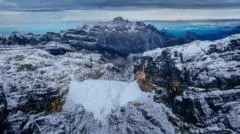
Papua’s “eternal snow” on the Sudirman Range is rapidly disappearing, with the remaining patches around Puncak Jaya expected to vanish within one or two years. The loss is significant not only as evidence of human-driven climate change, but also because the glaciers contain valuable climate records and hold profound spiritual importance for Indigenous communities.
A century ago, all four major peaks in the 300-kilometre range had permanent snow and ice; today, glacier cover around Puncak Jaya has fallen from nearly 1,900 hectares to about 16. Rising temperatures, changing snowfall patterns and El Niño events are accelerating the retreat, threatening a unique tropical ecosystem and cultural landscape revered by groups including the Moni and Amungme peoples.
In short
- Papua’s last tropical glaciers may disappear within two years.
- Glacier cover has shrunk from 1,900 hectares to 16.
- The ice holds climate records and deep Indigenous spiritual significance.
Explained simply
Papua's Sudirman Range, a mountainous area in Indonesia, has held permanent snow and ice at its highest peaks for millennia—a rare phenomenon on a tropical island. These glaciers, including those around Puncak Jaya, are now melting rapidly and are expected to vanish entirely within the next year or two.
The disappearance matters for several reasons. The glaciers contain climate records that help scientists understand past weather patterns, and they hold profound spiritual significance for Indigenous peoples including the Moni and Amungme communities who live in the region.
A century ago, all four major peaks in the 300-kilometre range had permanent snow cover, but today glaciers around Puncak Jaya have shrunk from nearly 1,900 hectares to just 16. Scientists point to rising temperatures, shifting snowfall patterns and periodic El Niño climate events as key drivers of this accelerating loss.