The True Cost of Corporate Dominance in the Music Industry (Guest Post)
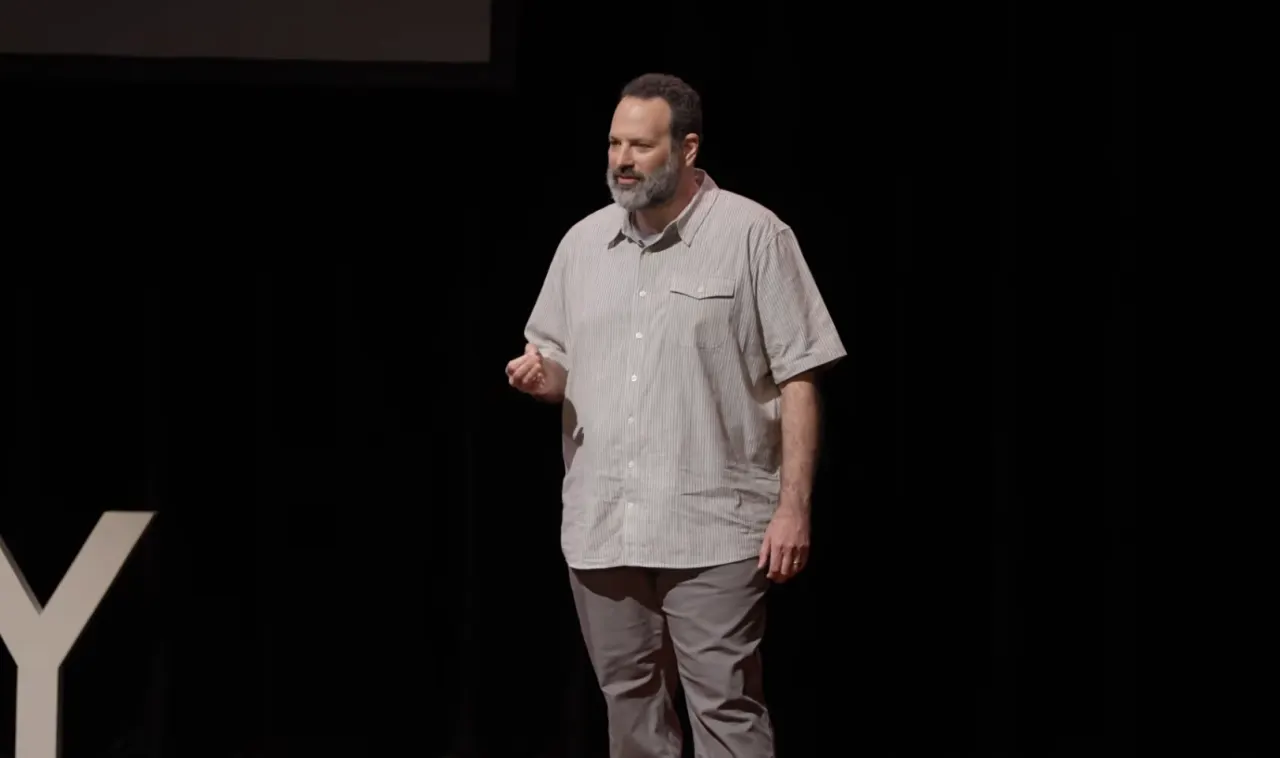
Rev. Moose argues that corporate consolidation has left a small number of companies with influence across the music industry, limiting artists’ practical choices and weakening independent businesses. He says this matters because the same companies can shape how music is recorded, promoted, distributed, performed and paid for.
The article says most major labels now sit under three parent companies, while large firms also dominate areas such as touring, publishing, management and media. Moose cites artists returning to Spotify after protests and the band Lawrence touring venues linked to Live Nation and Ticketmaster after criticising their practices, arguing that artists may depend on companies they oppose. He says independent labels, venues and other services remain active, but questions how visible artists can be without using major industry gatekeepers.
In short
- Three parent companies own most major labels.
- Corporate influence spans recording, touring and distribution.
- Artists may rely on firms they criticise.
Steelman: both sides, in good faith
The strongest fair case each way — we don't pick a winner.
The case for
Consolidation can give companies the scale and resources to record, promote and distribute music widely, while connecting artists with audiences and making large tours possible. Artists’ continued use of major platforms and venues may reflect practical reach and audience demand, rather than endorsement of every business practice. Independent services remain available, but may not offer comparable visibility or infrastructure.
The case against
When a few companies have influence across recording, promotion, distribution, touring and payment, artists can have less practical choice and weaker bargaining power, even if independent alternatives exist. Dependence on dominant platforms and venues can make it difficult to act on objections to their practices or build a career outside their networks. That concentration may also make it harder for independent businesses to compete and for artists to retain control over their work and earnings.
Americas Art Culture Government Politics World