Fahnbulleh asks officials to explore tiered energy charges for households
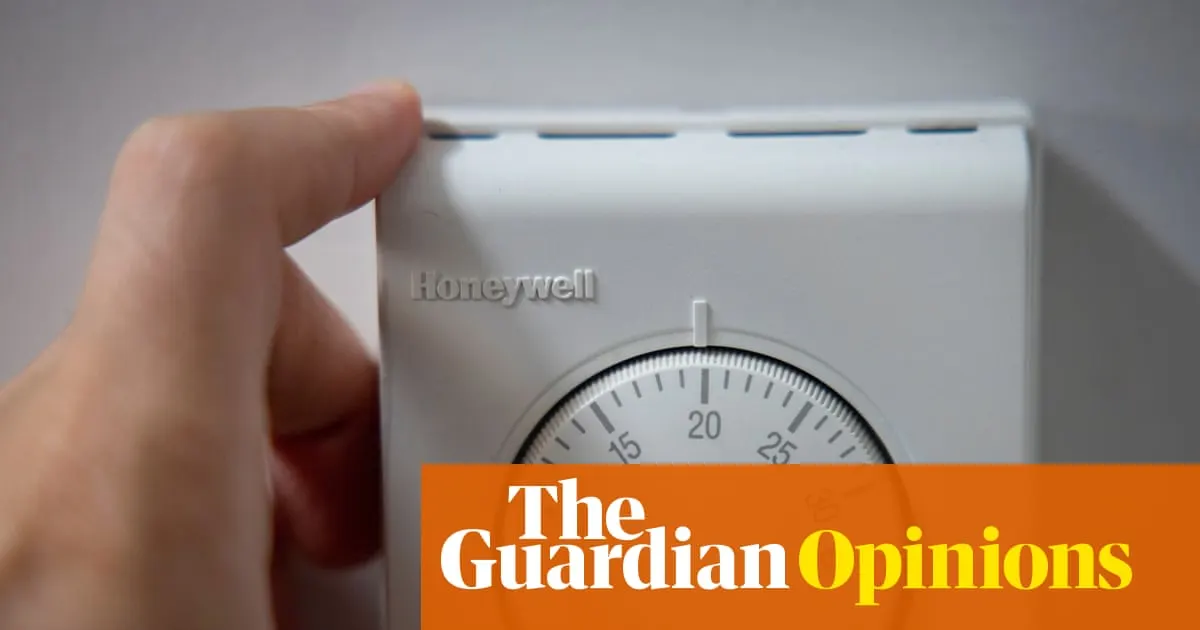
Energy Secretary Miatta Fahnbulleh has asked officials to explore a rising block tariff as one way to make energy bills fairer. The proposal would give every household a cheaper allowance for essential gas and electricity use, then charge more per unit for additional consumption; critics say it could make bills harder to manage and undermine efforts to encourage electrification.
The idea is backed by the New Economics Foundation and the Joseph Rowntree Foundation, which says a £5bn public investment could lower bills for many households, with the largest savings going to light users. But Citizens Advice warns that low energy use does not reliably indicate low income, while households in rented homes with inefficient heating could be penalised. A fixed tariff could also confuse consumers alongside flexible prices, and make electric vehicles and heat pumps less attractive. The government is also considering winter support for poorer households, as annual bills are projected to rise by about £400 in January.
- Officials are exploring a rising block tariff for household energy.
- Critics say it could penalise some low-income households.
- Higher rates for extra use may deter electrification.
New here? Start with this
Energy bills depend on how much gas and electricity a household uses, as well as the price charged for each unit. A rising block tariff would set a low price for an initial allowance of energy, then charge more for use above that level.
The New Economics Foundation and Joseph Rowntree Foundation support exploring the idea, while Citizens Advice has raised concerns about how it would affect different households. Low use does not always mean low income, and people in poorly insulated rented homes may need more energy to stay warm.
The debate is about balancing affordable essential energy with the costs of extra use. Tariff design can also affect choices such as switching to electric heating or using an electric vehicle, while the government considers other forms of winter help.
Both sides, in good faith
The strongest fair case each way — we don't pick a winner.
The case for
A rising block tariff could protect access to essential energy by giving every household a lower price for a basic level of use, while asking heavier users to contribute more. Supporters argue that public investment could reduce bills for many households and deliver the largest savings to light users, making the system fairer and helping people on low incomes meet basic needs.
The case against
Higher charges for extra use could burden households whose consumption reflects circumstances beyond their control, such as a poorly insulated rented home, rather than greater ability to pay. Critics also argue that low use is an unreliable measure of income, that another tariff could make bills harder to understand, and that higher per-unit prices might deter heat pumps, electric vehicles and other forms of electrification.
Read the full article at the source →
Originally published by The Guardian as “The UK energy secretary is flirting with a bad idea for bills – the ‘rising block tariff’”.