World news and discussion on TalkFuse.
The Ultralight Gaming Mouse Arms Race Has Entered a New Phase
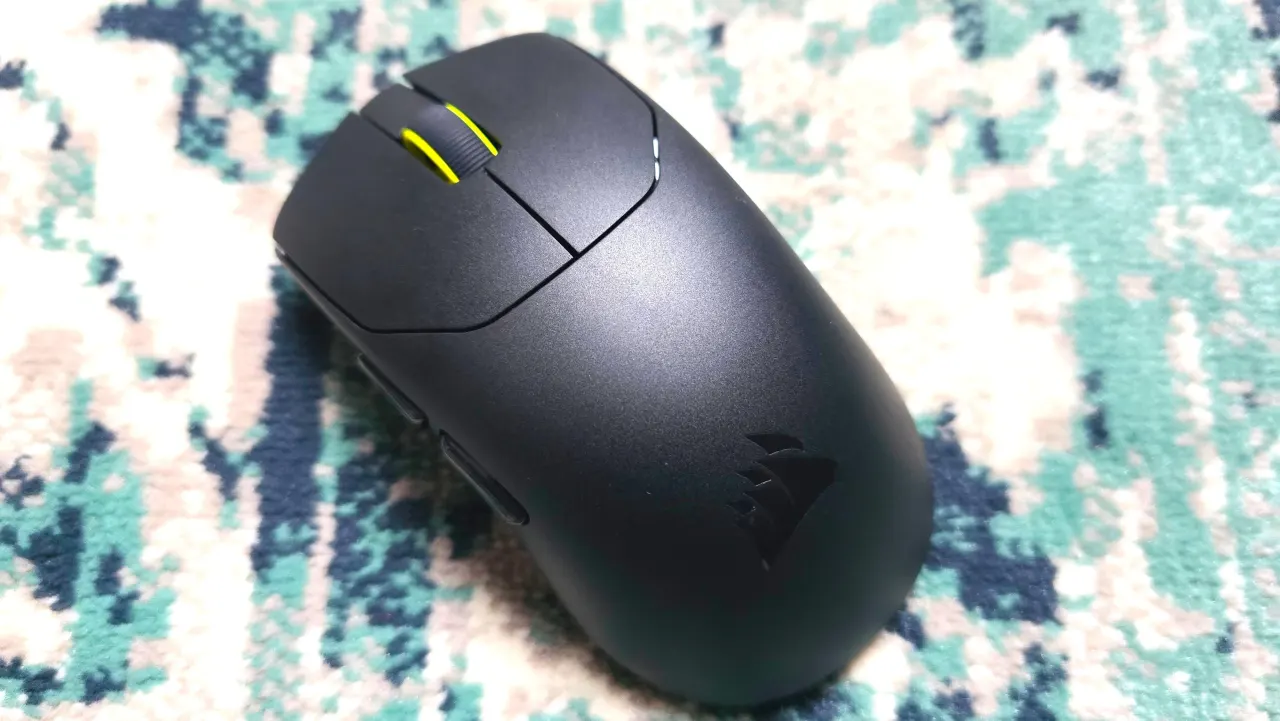
The ultralight gaming mouse market is moving beyond a simple race to remove weight, with leading manufacturers now taking distinct approaches to improving competitive performance. Corsair prioritises extreme lightness, Razer focuses on refining core hardware, and Logitech is adding features previously associated with gaming keyboards, suggesting the category is becoming more varied rather than following one formula.
Only a few years ago, heavier mice with adjustable weights were common, but players increasingly valued lighter designs for faster, lower-effort movements. Corsair’s 36g Sabre V2 Pro illustrates the trade-offs of this approach: it omits Bluetooth and compromises on sturdiness and software, while offering a 30,000 DPI sensor and up to 8,000Hz polling at the expense of battery life. Razer’s Viper V4 Pro instead uses an internal redesign and a 50,000 DPI sensor to improve an established shape, while Logitech’s G Pro X2 Superstrike introduces haptic feedback and rapid-trigger-style functions.
In short
- Ultralight mice are evolving beyond weight reduction alone.
- Corsair favours 36g lightness despite feature and durability compromises.
- Razer and Logitech are pursuing refinement and new functionality.
Steelman: both sides, in good faith
The strongest fair case each way — we don't pick a winner.
The case for
The shift towards lighter, more specialised mice gives competitive players more ways to match equipment to their needs. Corsair’s low weight may support fast, low-effort movements, while Razer’s hardware refinements and Logitech’s haptic and rapid-trigger-style features offer other routes to performance; those willing to accept trade-offs in battery life, sturdiness or software may value the choice.
The case against
The new approaches may add complexity and trade-offs without showing that they improve play for most users. Extreme lightness can come at the cost of battery life, sturdiness and software, while headline sensor specifications, high polling rates and keyboard-like features may matter less than comfort, reliability and a familiar design.
Explained simply
Gaming mice are designed for precise movement and quick responses in computer games. For years, manufacturers often added weight options, but many competitive players came to favour lighter mice, which can take less effort to move. DPI describes how sensitive a mouse’s sensor is, while polling rate measures how often it reports its position to the computer.
Corsair, Razer and Logitech are major gaming-peripheral makers, and their latest designs show different ways to pursue performance. Corsair puts very low weight first, Razer updates the hardware inside a familiar shape, and Logitech adds haptic feedback, which uses vibration to give physical cues. These choices can affect feel, battery life and durability as well as speed, so the market now offers different trade-offs for players.