Entertainment news and discussion on TalkFuse.
The Vast Majority of Capcom’s 2026 Game Sales Have Been Digital
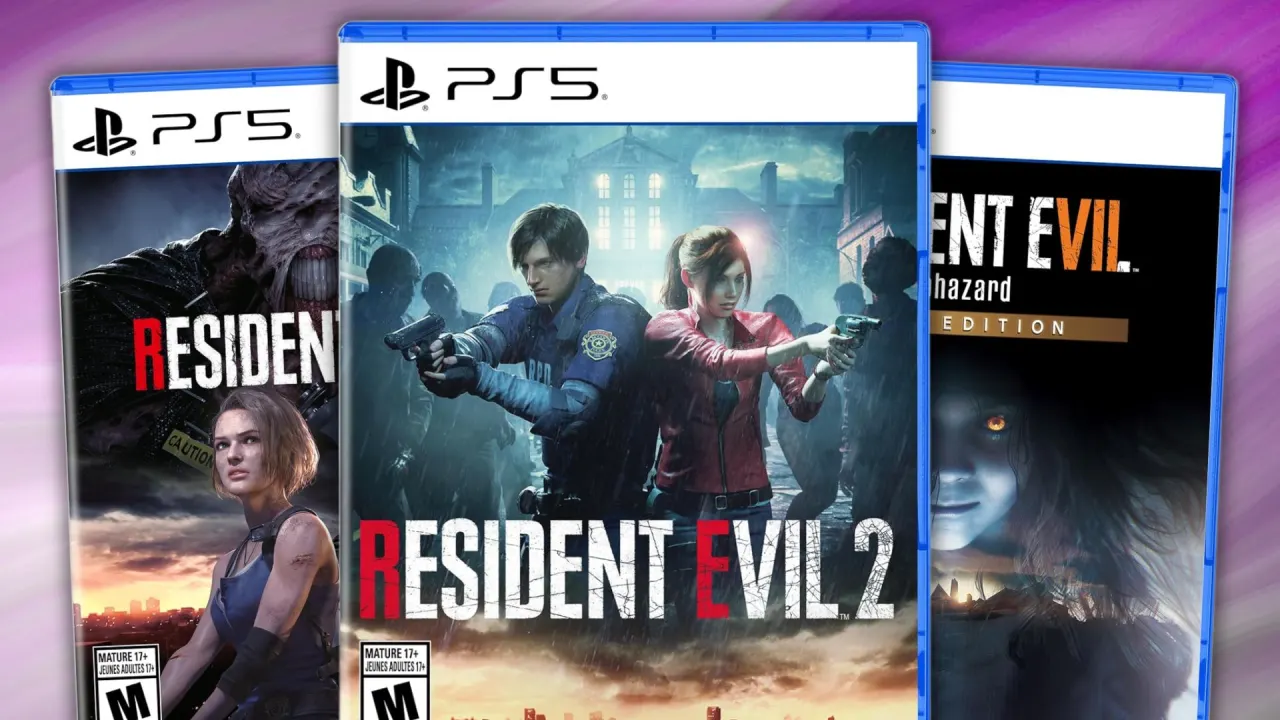
Capcom's Q1 2026 financial report reveals a significant acceleration in digital game sales, with over 93 percent of revenue coming from downloads rather than physical media. Personal computers account for the majority of these digital sales at roughly 60 percent, compared to just under a third for console platforms. The Resident Evil franchise has emerged as the primary catalyst for this trend, riding strong momentum that has propelled it to Japan's third highest-selling game franchise overall.
The numbers highlight an accelerating industry transition away from physical distribution, particularly as PlayStation prepares to cease disc production in 2028—a decision that has generated considerable player concern regarding game ownership and access. Whilst consumers have expressed resistance to the digital-only direction through online protests and boycott discussions, the sales data demonstrates continued momentum toward digital adoption. Capcom has responded by committing to maintain physical disc production, stating that a "significant number" of players continue to demand tangible copies of their games.
In short
- Capcom reports 93.3% digital sales in Q1 2026, with personal computers accounting for 60% of digital revenue versus 33% for consoles
- Resident Evil franchise surge drives the trend; RE2 has become the series' best-selling entry, ending RE5's 15-year dominance
- Shift reflects broader industry movement toward digital distribution ahead of PlayStation's 2028 halt on disc production
Steelman: both sides, in good faith
The strongest fair case each way — we don't pick a winner.
The case for
Digital distribution represents genuine progress for consumers and the industry alike. Downloads offer unmatched convenience—immediate access without trips to shops—whilst eliminating waste from physical packaging and shipping, supporting environmental goals. Lower distribution costs allow publishers to invest more in development and support, whilst digital storefronts enable seamless updates, cross-platform progression, and online features that physical media cannot provide. The sales figures demonstrate that consumers, voting with their wallets, actively prefer this model; Capcom's embrace of digital does not impose an unwanted change but reflects what players are genuinely choosing.
The case against
The shift to digital-only distribution fundamentally undermines consumer rights and game preservation. When purchasing digital copies, consumers licence rather than own, meaning they cannot resell, gift, or permanently retain games if servers shut down or publishers delist titles—a concern already realised with numerous games disappearing from digital storefronts. This concentrates enormous power in platform holders' hands, enabling arbitrary price changes and access restrictions. Moreover, digital-only distribution disadvantages those with unreliable internet connectivity or limited bandwidth, creating a two-tiered system. Without preserved physical copies, future generations risk losing access to cultural artefacts once online infrastructure is abandoned.
Explained simply
Capcom is a major video game publisher that makes popular franchises like Resident Evil. Over the past several years, the gaming industry has been moving away from selling physical copies of games in shops and towards digital downloads instead. This shift has accelerated significantly, and now the vast majority of games sold by publishers like Capcom come through digital means rather than physical media.
Personal computers and gaming consoles are increasingly built to support digital purchases, and players have gradually adopted this method of buying games. Capcom's Resident Evil franchise has been particularly successful in driving these digital sales. However, the shift has raised questions about game ownership when purchasing digital copies rather than physical versions.
The shift has prompted discussion among players, particularly as major platforms like PlayStation have announced plans to phase out physical disc production in 2028. This has raised questions about consumer choice and access, with some concerned about what happens if digital services cease to exist or become unavailable. Despite these discussions, sales figures show digital adoption continuing across the industry, even as publishers like Capcom pledge to continue offering physical copies.