World news and discussion on TalkFuse.
The ‘Vibe Shift’ Was Real, but It Wasn’t What the GOP Thought It Was
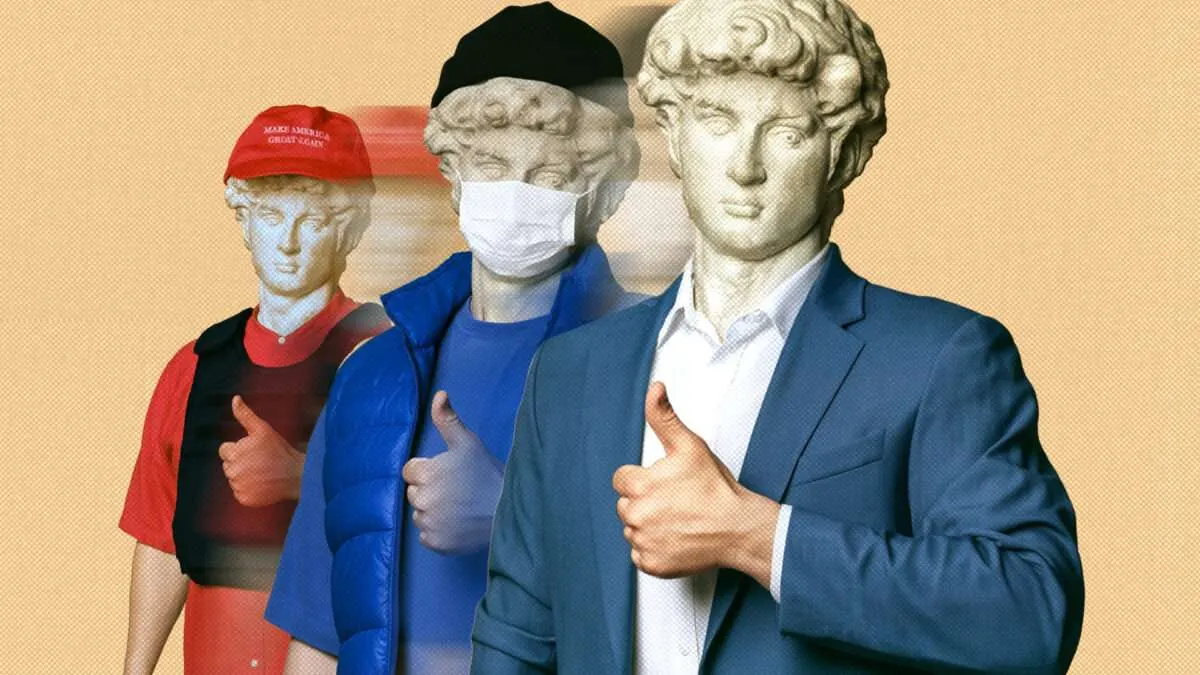
The article argues that the “vibe shift” began in 2022 as people grew tired of culture wars, rather than signalling a broad move from progressive politics to conservative politics. It says Republicans misread that weariness as a mandate to intensify cultural battles, helping explain why many were surprised by their poor showing in the latest elections.
The author links the Republican losses chiefly to inflation, corruption and a war that worsened both, while arguing that culture-war tactics further weakened support. Trump’s 2024 victory came by a 1.5 percentage point margin, with help from independents and voters without degrees who were not necessarily seeking a conservative counter-campaign. The article also says attacks on a Democratic opponent’s identity were unlikely to appeal to voters, including Republicans, who had become less responsive to such campaigning.
In short
- The “vibe shift” meant fatigue with culture wars.
- Republicans mistook it for support for more cultural conflict.
- The article cites inflation, corruption and war as key causes of losses.
Steelman: both sides, in good faith
The strongest fair case each way — we don't pick a winner.
The case for
The article’s interpretation is that voter fatigue with culture-war politics was mistaken for a turn to conservatism, and that doubling down on divisive tactics cost Republicans support. Trump’s narrow 2024 win, including gains among independents and voters without degrees, does not by itself show those voters wanted a more combative cultural agenda; economic pressures and concerns about corruption and war may better explain the election results described.
The case against
A Republican advocate could argue that the election results reflected a genuine, if limited, appetite for conservative change, even among voters whose motives were mainly economic or anti-incumbent. A narrow victory still represents a meaningful shift, and culture-war positions may have helped signal opposition to policies those voters disliked; the account given does not establish that such tactics caused Republican losses or that voter fatigue was the decisive factor.
Explained simply
The “vibe shift” refers to a change in public mood that some people noticed from 2022: many voters seemed less interested in arguments about culture and identity. That did not necessarily mean they had become more conservative; it may have reflected fatigue with political conflict.
Republicans and Democrats have both used cultural issues in campaigns, including arguments about identity and social values. The article says Republicans treated public weariness as support for a stronger conservative response, while voters may have been more concerned about everyday pressures such as prices and trust in government.
The distinction matters because a change in mood does not always point to a clear change in political views. Voters who turn away from culture-war campaigning may do so for different reasons, and their choices can also be shaped by economic conditions and events such as war.