The volunteers risking their lives to defuse Indonesia’s wildfire ‘carbon bombs’
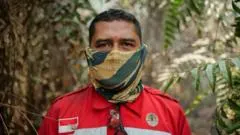
Volunteer firefighters, many from Indigenous Dayak and Banjar communities, are battling relentless wildfires across Indonesian Borneo that have burned around 200,000 hectares of forest and farmland since early July. The fires are especially alarming because they are tearing through vast tropical peatlands, ancient carbon stores that can release huge quantities of carbon dioxide, carbon monoxide and methane when they burn, earning them the nickname "carbon bombs". Amid a "Super El Niño" driving severe drought, the resulting haze has spread across national borders, creating one of the region's worst pollution crises in over a decade.
Kalimantan's peat deposits can exceed 20 metres in depth, with a hectare of the deepest peat holding more than 6,000 tonnes of carbon, roughly equivalent to the annual emissions of 4,800 cars, which experts warn can be released rapidly once fires take hold. The haze has spread to Singapore, Manila and Kuala Lumpur, pushing air pollution indices to "unhealthy" levels described as nearly 75 times WHO recommended limits in places, and triggering a surge in hospital admissions. Indonesia's Health Ministry recorded over 50,000 respiratory infection cases linked to the fires between July and August, more than 12,000 of them in children under five, while volunteer firefighters like 35-year-old Fahrin Ramadhianto continue battling the blazes using hand tools, carts and portable pumps.
In short
- Volunteers fight peatland wildfires that have burned 200,000 hectares in Borneo
- Peat fires release ancient carbon, dubbed "carbon bombs", worsening climate impact
- Haze has caused over 50,000 respiratory illness cases across South East Asia
Explained simply
Borneo is a large island shared by Indonesia, Malaysia and Brunei. Its Indonesian region, Kalimantan, contains extensive peatlands: waterlogged ground made from partly decayed plants accumulated over thousands of years. Peat can store large amounts of carbon, but when it dries and burns, fires may smoulder underground and release greenhouse gases and harmful smoke.
Many volunteer firefighters come from Indigenous Dayak and Banjar communities in Kalimantan. They often work with basic equipment to protect nearby homes, farms and forests. Severe drought linked to El Niño can make fires more likely and harder to control.
Smoke from fires in Indonesia can travel across national borders, affecting people far from the flames. Fine particles and gases in the haze can worsen breathing problems, particularly for young children and people with existing health conditions. The fires also matter for the climate because burning peat releases carbon that had been stored in the ground.