Video games news, releases, esports and culture — all the biggest gaming stories in one place.
The Wachowskis Move to Reclaim The Matrix Rights From Skydance
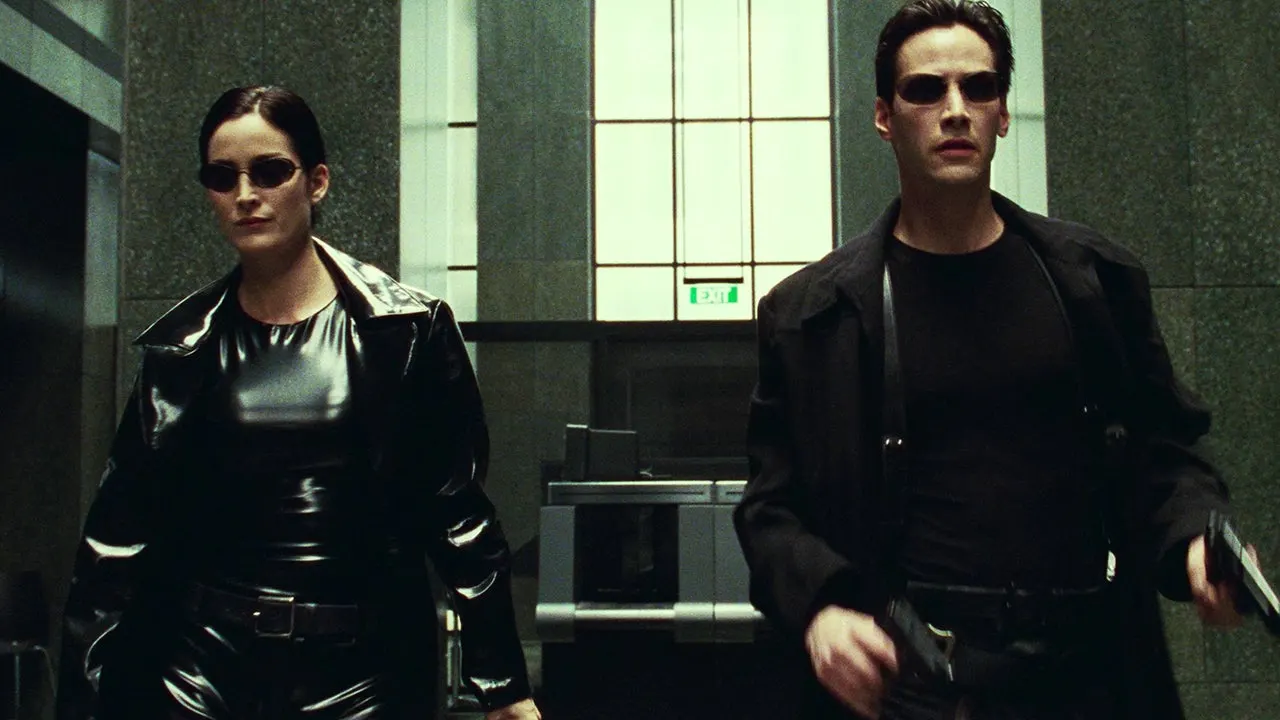
Lana and Lilly Wachowski have formally notified Warner Bros. that they are seeking to reclaim the copyright to The Matrix, potentially regaining control in 2029, 30 years after the original film’s release. The move comes as the studio develops a fifth film, raising questions about how the rights negotiations could affect the franchise’s future.
The fifth film has Drew Goddard attached to write and direct, with Lana Wachowski executive producing; little else is known, and no release date or returning cast has been announced. Warner Bros.’ new parent, Skydance, is reportedly confident it can negotiate a deal, while a possible obstacle for the Wachowskis is that the original screenplay may be considered work made for hire. The article suggests a more lucrative agreement for the sisters, with Skydance retaining the rights, may be the likeliest outcome.
In short
- The Wachowskis are seeking to reclaim The Matrix copyright.
- Their claim could take effect in 2029.
- A new deal may leave rights with Skydance.
Explained simply
The Matrix is a science-fiction film released in 1999, written and directed by sisters Lana and Lilly Wachowski. Its story follows people who discover that the world they experience is a computer-made illusion, and the film grew into a franchise of sequels and other works.
Copyright gives its owner control over how a work is used and adapted. In the United States, some creators can seek to reclaim copyright after a set period, though the rules depend on how the work was made and who owns it. Warner Bros. released the original film and has controlled the franchise; Skydance is now the studio’s parent company.
The dispute matters because the studio is developing a fifth Matrix film, with Drew Goddard attached to write and direct and Lana Wachowski executive producing. Control of the underlying rights could shape future films and other uses of the franchise, while any agreement would involve both the filmmakers’ claims and the studio’s interests.