The war on data centers jeopardizes our economy and national security
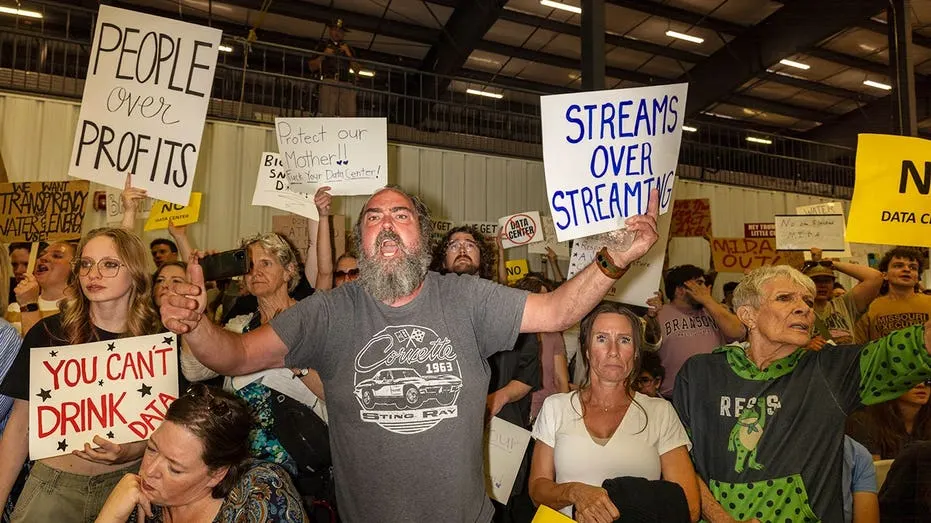
This Fox News opinion piece argues that local and state restrictions on new data centres across the United States are undermining the country's competitiveness in artificial intelligence, likening the situation to protesters obstructing wartime factories during the Second World War. The author contends that as America and China compete for dominance in AI, a technology seen as central to future economic and military power, local bans and zoning restrictions on data centre construction risk ceding strategic advantage to Beijing.
The piece draws a historical parallel to industrial mobilisation before and during the Second World War, suggesting that just as obstructing tank and aircraft factories then would have only benefited America's enemies, restricting data centre development now serves China's interests in the AI race. It frames data centres as critical infrastructure akin to defence manufacturing, warning that community-level opposition, often over concerns such as energy use or local impact, could have serious consequences for US economic strength and national security.
In short
- Fox News opinion piece criticises US local bans on data centre construction.
- Compares restrictions to obstructing wartime factories in WWII.
- Argues bans risk giving China the edge in the AI race.
Steelman: both sides, in good faith
The strongest fair case each way — we don't pick a winner.
The case for
The United States faces intensifying technological competition with China in artificial intelligence, a domain with profound implications for future economic and military power. Local restrictions on data centre construction risk depriving American companies of necessary infrastructure to compete globally and maintain technological leadership, potentially pushing development and investment elsewhere whilst the country falls behind strategically critical rivals. From this perspective, some level of infrastructure development is essential to national interests, and community-level obstruction, however well-intentioned, threatens serious long-term consequences for American prosperity and security.
The case against
Data centres impose substantial environmental and local costs—consuming enormous quantities of electricity and water, straining community infrastructure, and generating heat and emissions—that fall directly on residents whilst benefits accrue primarily to distant corporations. Rather than viewing local oversight as mere obstruction, it represents essential democratic accountability ensuring that competitive pressures do not override sustainability, equity, and community wellbeing. Thoughtful regulation and community input can still enable necessary development whilst protecting legitimate environmental concerns and distributing both costs and benefits more fairly rather than sacrificing local interests to abstract national competitiveness.
Explained simply
Data centres are large facilities housing computer servers and infrastructure that power the internet, cloud computing, and artificial intelligence systems. They have become increasingly important as AI technology advances, because training and running these systems requires enormous amounts of computing power and energy.
Communities across the United States are imposing restrictions on building new data centres through local zoning rules and regulations. These restrictions typically stem from concerns about energy consumption, water use, environmental impact, and effects on local communities.
The debate centres on how these restrictions might affect America's global competitiveness. The United States and China are competing for dominance in artificial intelligence, a technology widely considered crucial to future economic strength and military capabilities. Some argue that limiting data centre development could slow American progress in this competition and weaken the country's strategic position.
AI Asia Business Economy Technology World