Politics news and discussion on TalkFuse.
The week in whoppers: Chuck Schumer threatens more Dem lawfare, JD Vance plays the blue-nami blame game and more
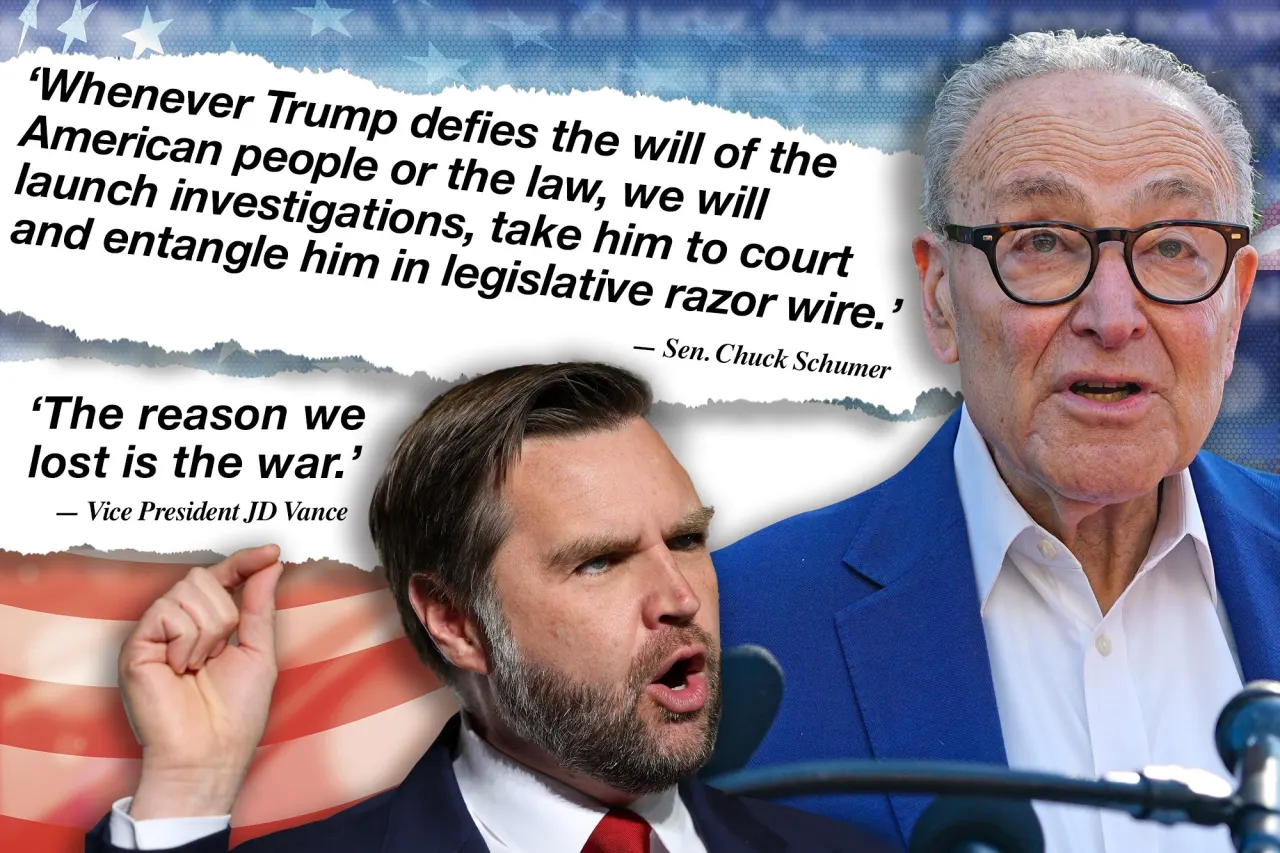
The article presents four political statements and argues that each is misleading or inflammatory. It says the claims may distort the reasons for Democrats’ election gains and intensify political or religious hostility.
It disputes Chuck Schumer’s pledge to investigate and challenge Donald Trump, and JD Vance’s attribution of Democrats’ gains to the Iran war, pointing also to tariffs and corruption. It criticises Tucker Carlson for speculating about a possible US nuclear strike on Iran, and Ta-Nehisi Coates for describing Rep. Haley Stevens’s endorsement change as part of a campaign against Muslims and Arabs.
In short
- The article challenges four political claims.
- It cites several possible reasons for Democratic gains.
- It criticises rhetoric about Iran and Israel.
Steelman: both sides, in good faith
The strongest fair case each way — we don't pick a winner.
The case for
Supporters of Schumer’s pledge could argue that investigating and challenging a president is a legitimate part of congressional oversight, especially where they believe his actions may have breached the law or exceeded his authority. They might also say Vance’s explanation of Democratic gains is a fair political interpretation, and that Carlson and Coates are raising concerns about the risks of escalation and anti-Muslim prejudice, even if their language is disputed.
The case against
Critics could argue that promising investigations before establishing wrongdoing risks turning oversight into partisan retaliation, while attributing election gains to a single cause oversimplifies voters’ concerns, including tariffs and corruption. They might also say speculation about a nuclear strike and claims that an endorsement change forms part of a campaign against Muslims and Arabs can inflame fears or hostility without enough evidence.
Explained simply
US politics is shaped by competition between the Democratic and Republican parties, which contest elections and debate the president’s policies. Donald Trump is a Republican president; Chuck Schumer is a leading Democrat in the Senate, and JD Vance is the Republican vice-president.
Political commentators and writers also influence debate through television, journalism and public statements. Disputes over elections, the Iran war and the treatment of Muslims and Arabs can draw on wider disagreements about government, foreign policy and religious tolerance.
Elections Government Politics World