John Boyne’s imagined Oscar Wilde novel misses its radical spirit
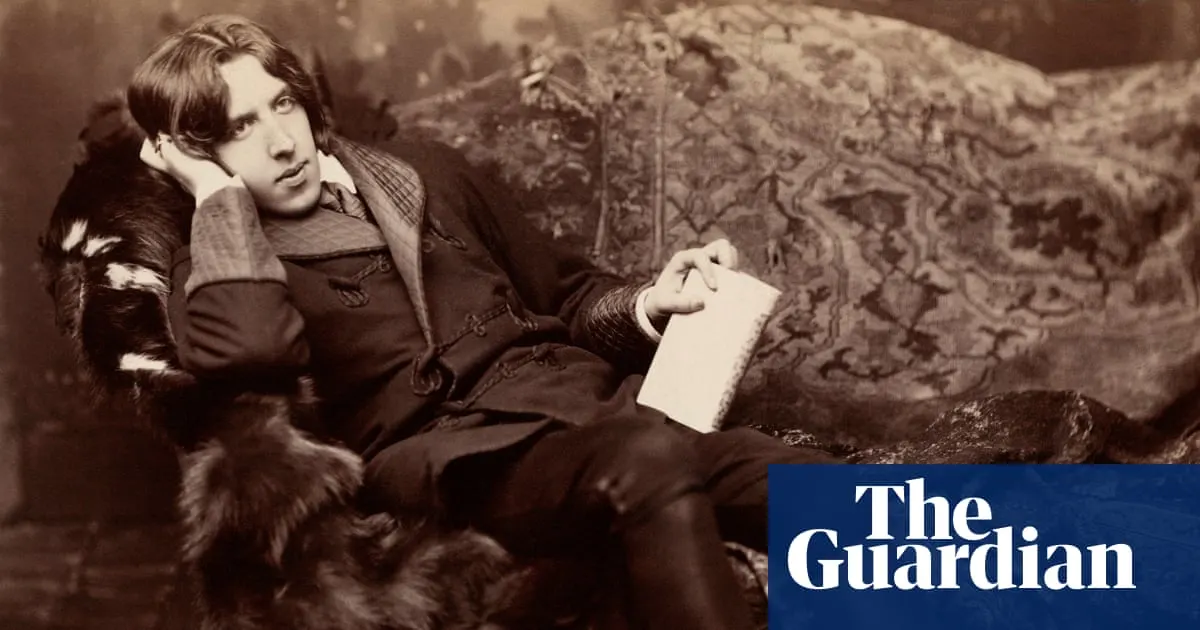
John Boyne’s novel imagines that Oscar Wilde avoided the libel case that led to his imprisonment and early death, and asks what life and work might have followed. The review finds the premise promising but says the result is sentimental and unconvincing, presenting Wilde as a witty socialite without the radical intellect that shaped his real writing.
The story spans decades, using letters, articles and imagined scripts to move between episodes in Wilde’s alternate life. He writes nine more plays and a Hollywood screenplay, but readers are shown none of his work; the novel instead depicts him as a conservative writer pursuing success. It also brings Wilde into contact with early gay-rights thinkers, yet keeps him largely detached from their ideas and communities before giving him a late role in imagining future campaigns for equality.
- Boyne imagines Oscar Wilde living beyond 1900.
- The review says the novel’s Wilde lacks the real writer’s radicalism.
- The story leaps ahead to imagined gay-rights campaigns.
New here? Start with this
Oscar Wilde was an Irish playwright and wit of the late nineteenth century whose brilliant career came to an abrupt end. Convicted in 1895 under Victorian laws against homosexuality, he was imprisoned for two years and died in exile just four years later, at the age of 46.
John Boyne's new novel asks: what if Wilde had avoided that prosecution? Set across several decades and told through letters, articles and imagined scripts, it imagines an alternative history in which Wilde's life continued uninterrupted and explores what work he might have created.
Wilde remains a towering figure in literary and cultural history, with his wit and radical ideas continuing to influence writers and thinkers. A novel reimagining his unlived life invites readers to consider both the man himself and the broader historical forces that shaped his era.
Both sides, in good faith
The strongest fair case each way — we don't pick a winner.
The case for
A fictional reimagining of an alternate life need not preserve all the historical figure's defining characteristics; exploring how different circumstances might have shaped Wilde as a person and artist is narratively valid. The novel's focus on relationships, society, and Wilde's gradual trajectory toward engagement with equality movements provides meaningful thematic development, and not displaying every work keeps narrative focus on character rather than attempting to recreate his genius in fiction. A plausible alternate timeline where Wilde becomes more conservative without his public scandal is intellectually coherent and worth exploring.
The case against
The novel fundamentally misses what made Oscar Wilde significant by presenting him as a sentimentalized socialite rather than the radical intellect who defined his era. Failing to show any of the supposedly brilliant works he creates in this timeline is a critical narrative weakness that prevents readers from assessing his artistic achievement. Most troublingly, keeping Wilde detached from the very gay-rights movements and thinkers he encounters is both unconvincing and thematically wrongheaded, undercutting the novel's later claims about his role in imagining equality campaigns.
Read the full article at the source →
Originally published by The Guardian as “The Weight of Angels by John Boyne review – what if Oscar Wilde had lived?”.