Tyla says Afrobeats label erases Africa’s musical diversity
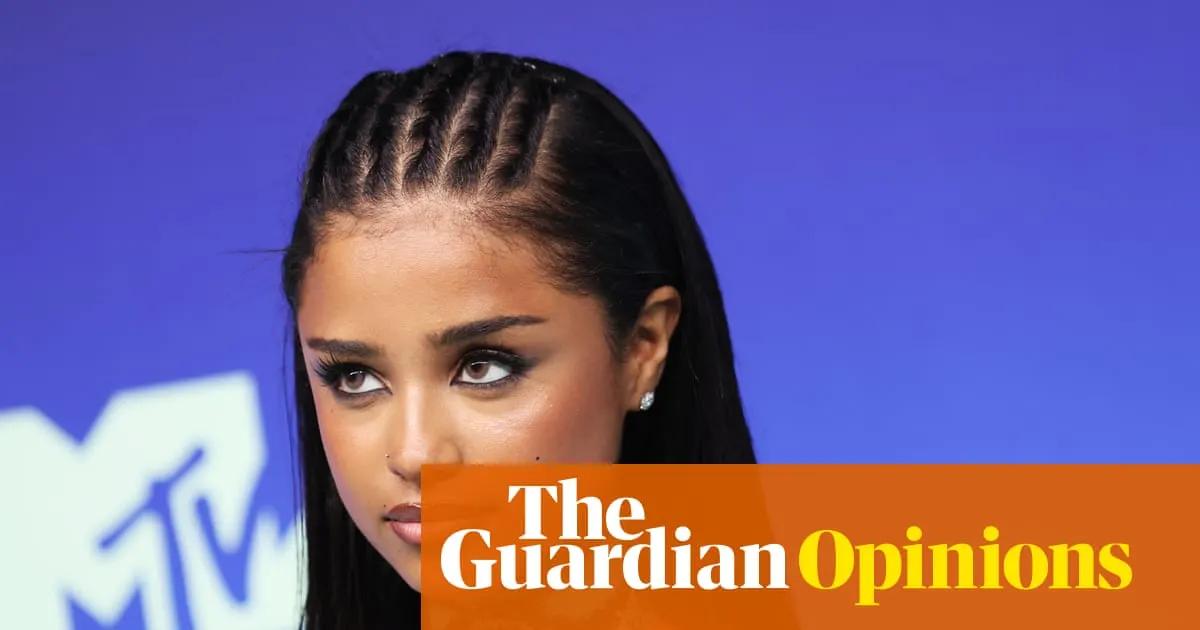
South African pop star Tyla used her 2024 MTV VMAs acceptance speech to criticise how the Western music industry inappropriately lumps all African music under the umbrella term "Afrobeats." Her concerns resonate with many prominent African artists, including Tems, Burna Boy, and Wizkid, who argue the label obscures the continent's genuine musical diversity and disconnects artists from their cultural traditions. The term, created by London-based DJ Abrantee in the early 2010s as a marketing category for West African dance music, has since expanded to encompass all African pop, R&B, gospel, and alternative music.
Whilst "Afrobeats" has proved commercially successful – the UK Official Charts Company named its African pop chart after the term in 2020 – it remains problematic. Music producer Bloody Civilian argues the label is "deeply limiting" and reflects persistent Western bias, treating an entire continent's diverse musical output as a single category, unlike how Western popular music enjoys recognition across multiple distinct genres. This is particularly damaging to West African artists, whose emerging genres, such as Mr Eazi's "banku music" (blending Nigerian pop and Ghanaian highlife), are treated as temporary trends rather than legitimate genres with cultural significance.
- African artists including Tyla criticise "Afrobeats" for flattening music diversity
- Western industry treats continent's music as single category, not Western pop
- Emerging genres lose cultural significance, treated as temporary trends
New here? Start with this
"Afrobeats" is a marketing label created by London-based DJ Abrantee in the early 2010s to describe West African dance music. The term has since expanded to encompass all African pop, R&B, gospel, and alternative music, and has become commercially successful as a category on major music charts worldwide.
South African pop star Tyla, along with prominent African artists including Tems, Burna Boy, and Wizkid, argue that this umbrella term is problematic. They contend it erases the continent's genuine musical diversity, disconnects artists from their cultural traditions, and reflects persistent Western bias in how music is categorised and marketed.
Unlike Western popular music, which is recognised across multiple distinct genres, African music is treated as a single category. This is particularly damaging to emerging genres like banku music, which blends Nigerian and Ghanaian influences – they are dismissed as temporary trends rather than legitimate genres with their own cultural significance.
Both sides, in good faith
The strongest fair case each way — we don't pick a winner.
The case for
Those defending the term might argue it has successfully opened global markets for African artists who previously had limited international reach, enabling them to sustain careers and influence global culture in ways a fragmented regional approach might not have allowed. The label provides a useful commercial framework that international audiences recognise, and it hasn't prevented individual genres from gaining recognition—artists and labels can emphasise their specific styles within the broader category.
The case against
Critics contend that Afrobeats represents a continuation of Western gatekeeping that reduces Africa's extraordinary musical diversity to a single marketable product, in stark contrast to how Western music's multiple genres are carefully distinguished. This flattening erases crucial cultural contexts and regional traditions, trapping emerging genres as temporary trends rather than legitimate art forms with their own heritage and significance.
Africa Art Celebrity Culture Entertainment Music World
Read the full article at the source →
Originally published by The Guardian as “The west has a blinkered view of African music – and it’s hurting the whole continent’s culture”.