The Will of 100: Trump’s SAVE America Act sidelined after Senate unanimously agreed to August exit
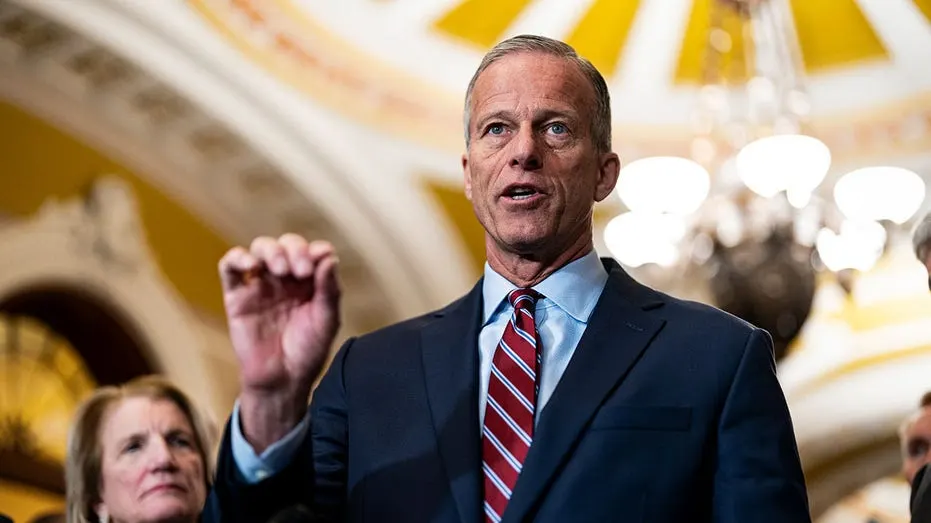
The Senate unanimously agreed to begin its August recess, sidelining President Trump’s SAVE America Act for the time being. The decision matters because it delays Senate action on the voting-related measure until senators return from their extended break.
The chamber left Washington at 4:57 a.m. ET on 8 August and has since held only brief pro forma sessions, lasting seconds, on four occasions. All 100 senators consented to the recess arrangement, meaning no senator objected to the Senate’s departure or forced further consideration of the legislation.
- Senate’s August recess delayed action on the SAVE America Act.
- All 100 senators agreed to the recess by unanimous consent.
- The Senate has held only brief pro forma sessions since leaving.
New here? Start with this
The SAVE America Act is a proposed federal law concerning elections and voting. It is backed by President Donald Trump, and would need to pass both the Senate and the House of Representatives to become law.
The Senate is made up of 100 members, two from each state. Its rules allow senators to delay or block action on legislation, so the level of support for a bill and the chamber’s schedule can affect when it is considered. The timing matters because delays can leave less time for debate and votes before the Senate’s next break or the end of its working session.
Both sides, in good faith
The strongest fair case each way — we don't pick a winner.
The case for
The Senate's unanimous decision to proceed with August recess reflects bipartisan agreement that Congress requires regular breaks for essential institutional functions and constituent relations. Not a single senator objected to the arrangement, indicating collective judgment that the SAVE America Act could be properly addressed upon the Senate's return. August recess enables legislators to serve their districts and engage with constituents—important democratic functions that cannot be suspended indefinitely—and the measure can receive full attention when the Senate reconvenes.
The case against
Measures concerning voting and electoral procedure warrant urgent legislative consideration as they address fundamental democratic governance and constitutional matters. Deferring action on such legislation to accommodate a scheduled recess prioritises routine institutional practice over substantive democratic work on core constitutional questions. Voting-related acts should not be indefinitely postponed for members' breaks, particularly when the Senate possessed the capacity to address the legislation before recessing.