Entertainment news and discussion on TalkFuse.
The Witcher 3 devs tried to give NPCs “fear reactions” but it got cut after a few horrifying weeks when “women were just dropping their babies, left and right”
Developed over time first seen 3 months ago
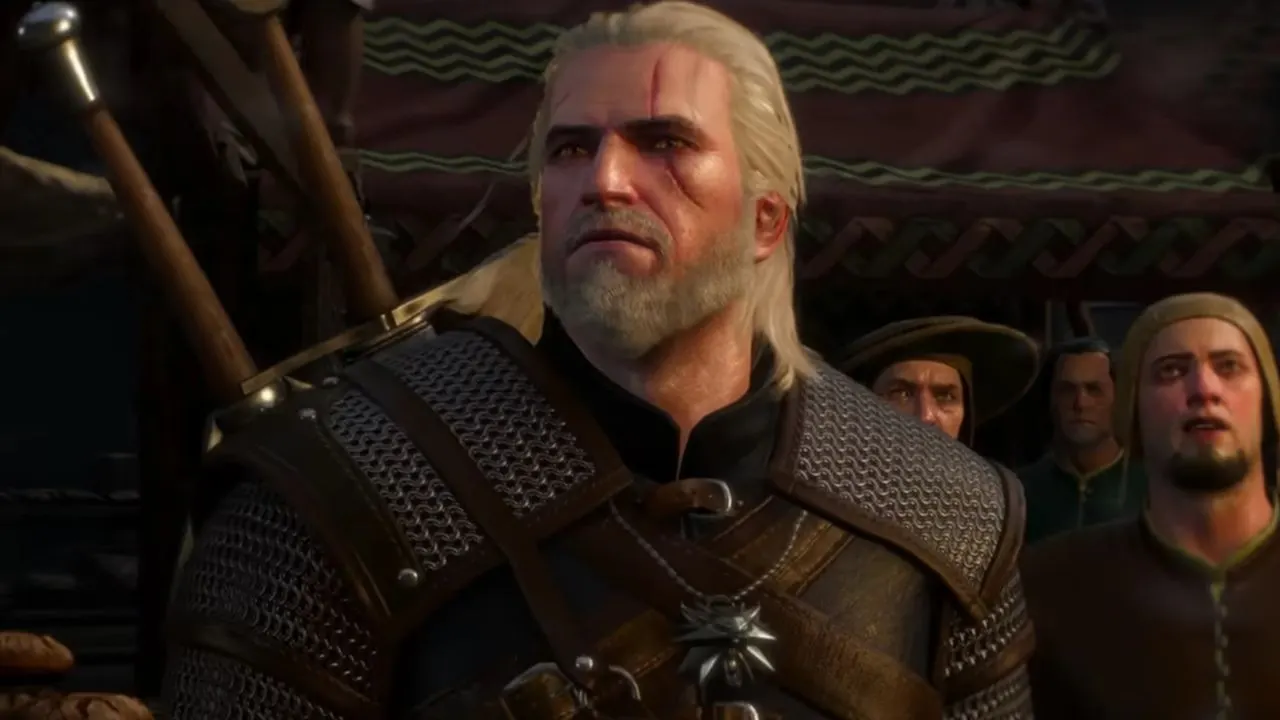
CD Projekt Red experimented during development of The Witcher 3: Wild Hunt with a fear-response system intended to make non-player characters react when threatened. Quest designer Philipp Weber said the team wanted rural villages to feel inhabited rather than mechanically staged, using changing activities and pathfinding between points of interest instead of fixed routes. The proposed reaction made characters abandon their current task and run away, but this broad rule created an unintended result for mothers whose assigned activity was holding a baby.
According to Weber, the issue persisted for several weeks: when fear was triggered, those characters dropped the baby object along with anything else they were carrying before fleeing. The developers ultimately removed the fear-reaction feature rather than ship that behaviour. The account, reported by GamesRadar+ from an Edge magazine interview and separately summarised by PC Gamer, illustrates the difficulty of combining general-purpose NPC systems with context-sensitive actions in an open-world game.
- Sources
- 2
- Outlets
- 2
- Left · Centre · Right
- 0 · 0 · 0
In short
- CD Projekt Red tested NPC fear reactions for The Witcher 3.
- The generic ‘drop what you are doing and flee’ rule made mothers drop babies.
- The feature was removed before release rather than refined for the final game.
How this story developed
- 3 months ago CD Projekt Red experimented during development of The Witcher 3: Wild Hunt with a fear-response system intended to make non-player characters react when threatened.
Explained simply
The Witcher 3: Wild Hunt is an open-world role-playing game made by Polish studio CD Projekt Red. Players explore a fantasy world as Geralt, while towns and villages are populated by non-player characters, or NPCs, whose routines help make the setting feel lived in.
Game developers use systems to control how these characters move and respond to events. A general rule, such as fleeing when frightened, can interact unexpectedly with a character’s specific activity, such as holding a baby. This kind of problem matters because believable reactions need to work across many situations, not just the one a system was first designed for.