Sport news and discussion on TalkFuse.
The World Cup of Calvinball: Fifa’s hasty changes turn refereeing into a free-for-all | Beau Dure
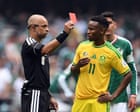
Beau Dure argues that Fifa has made World Cup refereeing unnecessarily chaotic by introducing newly revised laws at the tournament before they have been properly tested in major competitions. He says this has turned matches into a confusing, improvised spectacle, with officials, players and viewers all trying to adjust on the fly. The point matters because the World Cup is football’s biggest stage, and unclear rule changes can directly affect results, credibility and public trust in officiating.
The article compares the situation to “Calvinball”, a game with shifting rules, and says World Cups already carry enough inconsistency because referees from different regions interpret fouls differently. Dure notes that the latest laws formally changed on 1 July, but Ifab allows competitions already under way to delay implementation until the next competition, which he says should have applied because World Cup qualifying began before then. He contrasts this with clearer past changes such as five substitutes in 2022 and goalline technology in 2014, while recalling that VAR first appeared at the World Cup in 2018 and citing Paraguay’s Miguel Almirón and the USA’s Tim Ream as an example of how newer review rules can create confusion.
In short
- Fifa is accused of rushing in untested rule changes
- The World Cup has become more confusing for referees and fans
- New laws may be affecting major decisions and trust
Steelman: both sides, in good faith
The strongest fair case each way — we don't pick a winner.
The case for
FIFA's introduction of newly revised refereeing laws at the World Cup without adequate testing in major competitions created unnecessary confusion at football's most prestigious stage. Since World Cup qualifying had already started before the July 1 rule change date, FIFA's own regulations allowed for delayed implementation, making this hasty approach both unnecessary and damaging to the tournament's integrity.
The case against
All significant rule changes must eventually be implemented at some major competition, and the World Cup—with its full scrutiny and elite standard of play—is a reasonable venue for this. Professional referees and players regularly demonstrate capacity to adapt quickly to regulatory changes, and prior notice of the rule changes allowed adequate preparation. Previous major innovations ultimately improved the game despite initial adjustment periods, suggesting that temporary confusion is an acceptable cost for necessary evolution.
Explained simply
Football's governing body FIFA has introduced new refereeing laws at the World Cup without testing them in major competitions first. This has left officials, players and spectators trying to understand how decisions are being made during matches.
The World Cup is football's most important tournament, so unclear rules have the potential to affect match outcomes and public confidence in officiating. The situation is compounded by the fact that referees from different regions already interpret rules with some variation.
The new laws officially came into effect on 1 July, but since World Cup qualifying matches had already begun before then, the rules could have been delayed for this tournament. Previous major rule changes, such as five substitutes and goal-line technology, were introduced more gradually.