Technology news and discussion on TalkFuse.
Trump and Xi set to discuss AI risks without slowing development
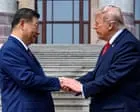
Donald Trump and Xi Jinping are due to meet in Washington, with artificial intelligence expected to be a major topic. Although their discussions show that AI risks are receiving high-level political attention, both leaders appear opposed to slowing development, viewing continued progress as essential to maintaining national advantage. This makes a major international agreement on restricting AI unlikely, despite growing fears about its potential dangers.
The US argues that China is a strategic threat and that whoever leads in AI will gain decisive power, while China sees calls for a pause as an attempt to protect America’s existing lead. Both countries nevertheless recognise risks involving autonomous agents, cybersecurity and self-improving systems. US and Chinese officials have discussed creating an international alert or notification system for serious AI incidents, but political rivalry, limited support for regulation in Washington and resistance to a development pause make broader controls improbable.
In short
- Trump and Xi are unlikely to agree on slowing AI development.
- Both countries fear losing their technological advantage.
- Officials are considering alerts for serious AI incidents.
Steelman: both sides, in good faith
The strongest fair case each way — we don't pick a winner.
The case for
Advocates of continued AI development argue that progress can bring economic, scientific and security benefits, and that slowing it unilaterally could hand a strategic advantage to a rival. They may favour practical cooperation on shared dangers, such as notifying one another about serious incidents, while preserving competition and room for innovation.
The case against
Advocates of stronger limits argue that autonomous agents, cyber risks and self-improving systems could cause serious harm, and that an incident alert system alone would not address dangers created by rapid deployment. They see international safeguards or a pause as prudent risk management, and argue that shared rules could reduce danger without simply protecting one country’s lead.
Explained simply
The United States and China are the two leading powers in artificial intelligence, a field involving computer systems that can perform tasks such as analysing information and generating text. Their governments see progress in AI as important to economic strength and national security.
Donald Trump leads the US and Xi Jinping leads China. The two governments compete for influence and technological advantage, while also recognising that advanced AI could create risks, including cyberattacks or systems acting in unexpected ways.
Talk of an international alert system reflects efforts to share information about serious AI incidents. Any wider rules would need support from countries with different interests and views on how quickly the technology should develop.
AI Americas Business Technology World
Read the full article at the source →
Originally published by The Guardian as “The world freaked out about AI doomsday. Now what?”.