The world’s busiest spaceport is about to get a lot quieter, at least for now
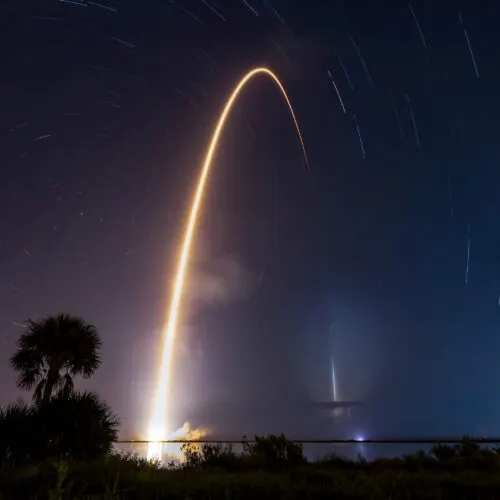
SpaceX will sharply reduce the number of rocket launches from Florida's Space Coast for the rest of the year, as it phases out Starlink launches from Cape Canaveral ahead of Starship becoming operational there. A senior SpaceX official confirmed that Tuesday's Falcon 9 flight was the last scheduled Starlink mission from Florida, with future Starlink launches to be flown on Starship instead, while Vandenberg in California continues handling Starlink launches on Falcon 9. The change matters because Florida has been the world's busiest spaceport for a decade, and the shift signals both SpaceX's confidence in Starship's near-term readiness and a major operational pivot for its launch cadence.
Florida's launch rate is expected to fall from around eight or nine missions a month to roughly two, reversing a decade-long trend that saw 165 Falcon 9 launches last year, about 75% of them carrying Starlink satellites. Tuesday's flight also set a reuse record, with the booster completing its 37th launch. Remaining Florida launches will now focus on customer payloads, including a Falcon Heavy carrying NASA's Nancy Grace Roman Space Telescope on 30 August and a crewed ISS mission in mid-September. SpaceX still hopes to fly Starship from Kennedy Space Center by year's end, though the article suggests a debut by mid-2027 is more realistic given the preparatory work still required.
- SpaceX is cutting Florida launches sharply until Starship becomes operational there
- Starlink missions move to Starship (Florida) and Vandenberg (Falcon 9)
- Starship's Florida debut likely delayed to around mid-2027, not this year
New here? Start with this
SpaceX uses its Falcon 9 rockets to carry Starlink satellites into orbit, building a network that provides internet access. Florida’s Space Coast, including Cape Canaveral and Kennedy Space Center, has handled a large share of the company’s launches, alongside Vandenberg in California.
SpaceX is developing Starship, a much larger rocket intended to take over Starlink launches from Florida. The company’s launch plans therefore affect both its satellite network and the work carried out at Florida’s launch sites. NASA and other customers also use those sites to send spacecraft and crews into orbit.
Both sides, in good faith
The strongest fair case each way — we don't pick a winner.
The case for
SpaceX's transition consolidating Starlink launches to Starship whilst preserving Florida's capacity for complex customer and national security payloads represents rational resource optimisation grounded in extensive developmental testing. This decision demonstrates justified confidence in Starship's imminent operational readiness and reflects the natural lifecycle of aerospace programmes transitioning to next-generation platforms.
The case against
The strategy assumes Starship will achieve reliable operational cadence despite uncertainties inherent in spaceflight, with even SpaceX's timeline suggestions implying mid-2027 rather than sooner. Should Starship encounter development delays—commonplace in space programmes—Florida's launch capacity would remain depressed, potentially harming the aerospace ecosystem there and stranding customer missions awaiting launches, suggesting capacity redundancy would have been prudent.