The “worst decade” in the history of American cinema, according to Steven Soderbergh
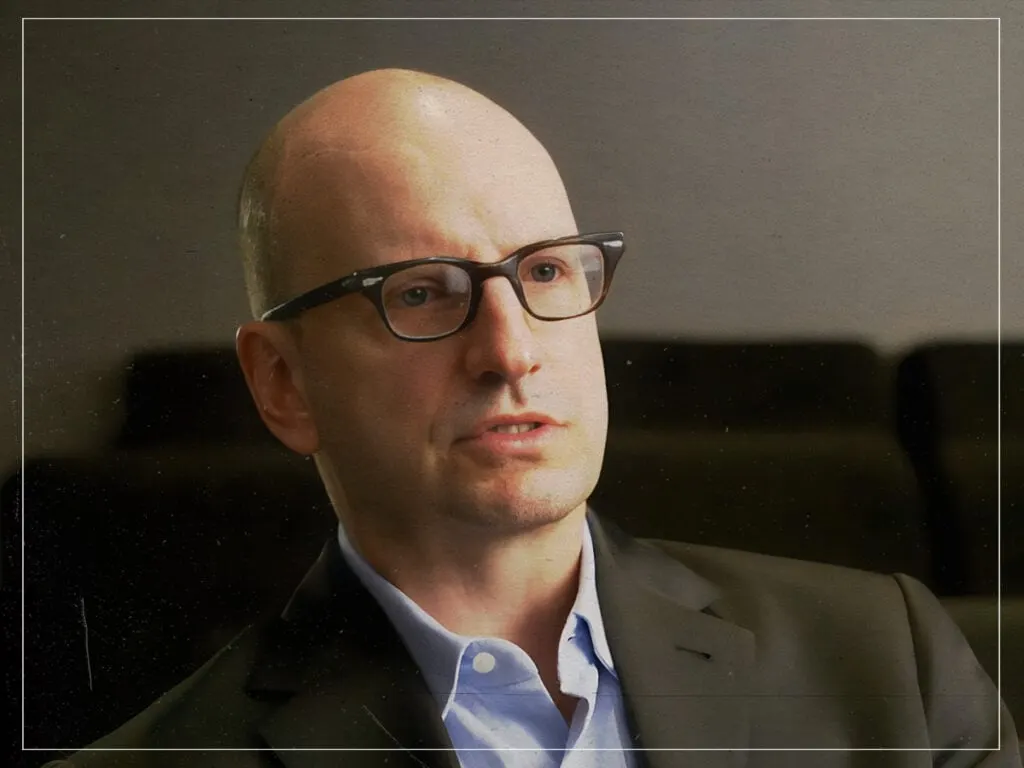
Steven Soderbergh has called the 1980s the worst decade in American cinema, arguing that Hollywood became less willing to take creative risks after the freer filmmaking of the 1970s. He says his 1989 film *Sex, Lies, and Videotape* arrived at the right moment and helped usher in the independent cinema of the 1990s.
Quentin Tarantino shares Soderbergh’s criticism, saying filmmakers in the 1980s often censored their own work and played it safe. The article notes that the decade also produced influential films such as *The Terminator* and *E.T.*, and argues that its brighter, less confrontational style is not enough to dismiss the entire era.
In short
- Soderbergh calls the 1980s the worst decade for American cinema.
- He says his 1989 film helped mark a shift towards 1990s independent cinema.
- Tarantino also criticises the decade for cautious, self-censored filmmaking.
Steelman: both sides, in good faith
The strongest fair case each way — we don't pick a winner.
The case for
Soderbergh’s view is that Hollywood in the 1980s became more cautious after the creative freedom of the previous decade, with filmmakers more inclined to self-censor and play safe. From this perspective, the decade’s commercial and stylistic conventions narrowed the space for challenging work, while the success of Sex, Lies, and Videotape helped signal a return to independent filmmaking.
The case against
A fair case against writing off the decade is that it produced influential films such as The Terminator and E.T., showing that popular cinema could still be inventive and culturally resonant. Its brighter, less confrontational style may reflect different aims and tastes rather than a lack of artistic value, so calling the whole decade the worst risks overlooking its variety and lasting influence.