Entertainment news and discussion on TalkFuse.
‘The Zone of Interest’ Producer Ewa Puszczyńska and Director Jan Holoubek Say ‘Wild Wild East’ No Longer Feels Like a Period Drama: ‘It Can Happen Again. It Already Is’
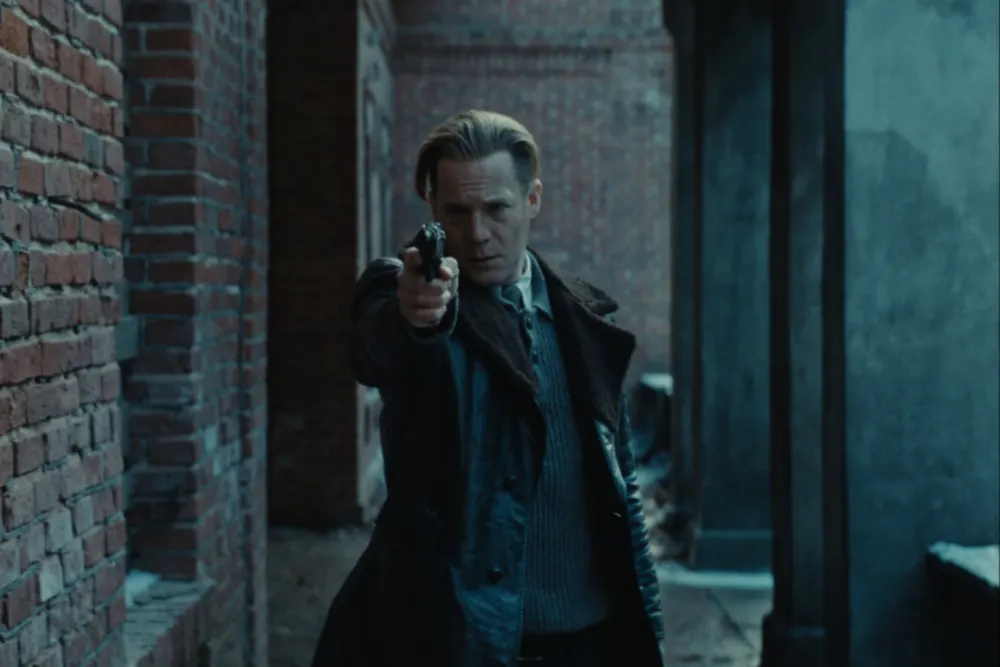
Polish director Jan Holoubek's Second World War thriller "Wild Wild East", which premiered at the Toronto International Film Festival, is being presented by its creators not as a historical drama but as a warning about the present. Holoubek and producer Ewa Puszczyńska, who also worked on "The Zone of Interest", "Ida" and "Cold War", say the film's themes of nationalism and complicity feel newly urgent given the rise of right-wing movements in Europe and Russia's war in Ukraine, and hope it will resonate particularly with younger audiences unfamiliar with where nationalism can lead.
Set in 1943, the film follows a German official investigating the disappearance of a man tasked with protecting a Jewish family's riches in a remote Polish village, uncovering widespread secrecy and guilt among Polish, Ukrainian, Jewish and German characters alike. Holoubek deliberately drew on Westerns and thrillers rather than conventional war drama, inviting comparisons to Tarantino, while Puszczyńska says the genre approach allows serious issues to be tackled with an unexpected twist. The film, sold by Global Constellation and starring Itay Tiran, Robert Więckiewicz, Joanna Kulig and Magdalena Różczka, arrives amid ongoing sensitivity in Poland over its wartime history, with both filmmakers describing it as a subtle but deliberate challenge to national self-image.
In short
- Polish WWII thriller "Wild Wild East" premieres at TIFF, evokes present-day nationalism fears
- Director Jan Holoubek used Western/thriller style, not conventional war drama, for impact
- Producer Ewa Puszczyńska hopes film challenges younger audiences' views on nationalism
Steelman: both sides, in good faith
The strongest fair case each way — we don't pick a winner.
The case for
The filmmakers’ approach can be defended as a timely use of historical cinema: a story about nationalism, secrecy and complicity may help audiences recognise how such forces can recur, especially when younger viewers have little direct connection to the war. Using a Western and thriller structure could make difficult history engaging while challenging a comfortable national self-image and prompting reflection across communities.
The case against
A critic could argue that presenting a wartime story chiefly as a warning about current politics risks making complex history serve a contemporary message, or encouraging viewers to draw easy parallels between distinct situations. In a country where wartime memory is particularly sensitive, a deliberately challenging portrayal could also be seen as flattening differences in responsibility or overlooking the care needed to represent the people and groups involved.
Explained simply
During the Second World War, Nazi Germany occupied Poland and persecuted and murdered Jews across Europe. In 1943, the film’s story unfolds in a remote Polish village, where people from Polish, Ukrainian, Jewish and German communities are drawn into a mystery involving a Jewish family’s wealth.
The filmmakers, director Jan Holoubek and producer Ewa Puszczyńska, have also worked on films about the Holocaust and Poland’s past. Their new film uses the style of a Western and a thriller to explore nationalism, secrecy and people’s complicity in wartime events.
Poland’s wartime history remains a sensitive subject, including questions about how different people and communities acted under occupation. The film’s creators say these themes matter beyond the past, as nationalist movements gain support in parts of Europe and Russia’s war in Ukraine continues.