Culture news and discussion on TalkFuse.
“Their song titles left them open to detractors. Like all true pioneers, their hats were shot through with arrows”: The progressive power of Cocteau Twins’ Treasure
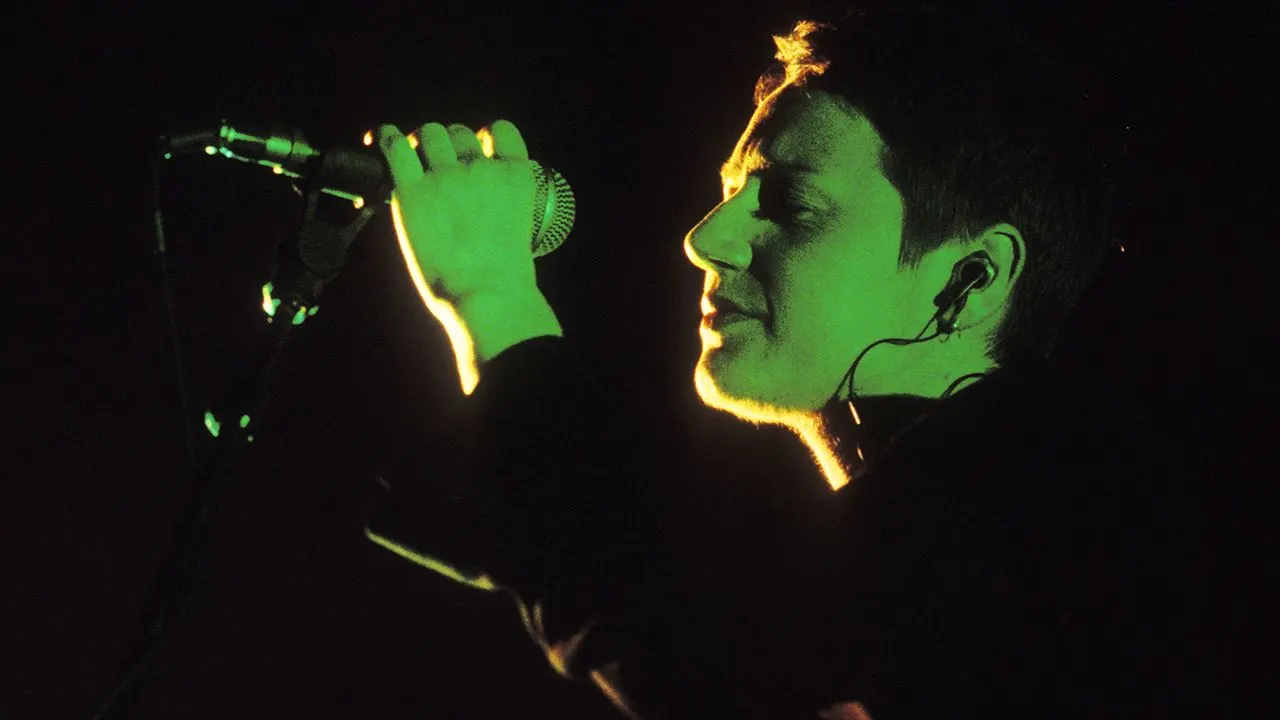
Cocteau Twins’ 1984 album Treasure is presented as a progressive landmark whose expansive sound and unconventional vocals defied easy categorisation. Although the music press mocked Elizabeth Fraser’s seemingly unintelligible lyrics, the article argues that her vocal approach was deliberate and sophisticated, functioning as part of the group’s overall soundscape rather than simply conveying literal meaning.
The album brought Fraser, guitarist Robin Guthrie and newly joined bassist Simon Raymonde’s ambitions together into a distinctive musical world. Building on Garlands and Head Over Heels, Treasure used reverb, delay and echo to create rich, ethereal arrangements, earning the band support from John Peel listeners and audiences associated with the emerging goth scene.
In short
- Treasure established Cocteau Twins’ singular, progressive sound.
- Fraser’s obscured lyrics were artistic, not careless.
- Reverb-heavy production made the album richly atmospheric.
Explained simply
Cocteau Twins were a Scottish band formed by singer Elizabeth Fraser, guitarist Robin Guthrie and bassist Simon Raymonde, who joined before the group made Treasure. Their early albums, Garlands and Head Over Heels, helped establish a sound built around layered guitars, bass and Fraser’s distinctive voice.
In the early 1980s, some music writers expected lyrics to be clear and easy to understand. Fraser often used words and sounds that were hard to make out, while the band’s echoing, spacious arrangements gave her voice a central role in the music. Their work found listeners through BBC radio DJ John Peel and among people drawn to the emerging goth scene.
Art Celebrity Culture Entertainment Music