Sport news and discussion on TalkFuse.
There Are No Trans Women in the WNBA, so Right-Wingers Are Making Some Up
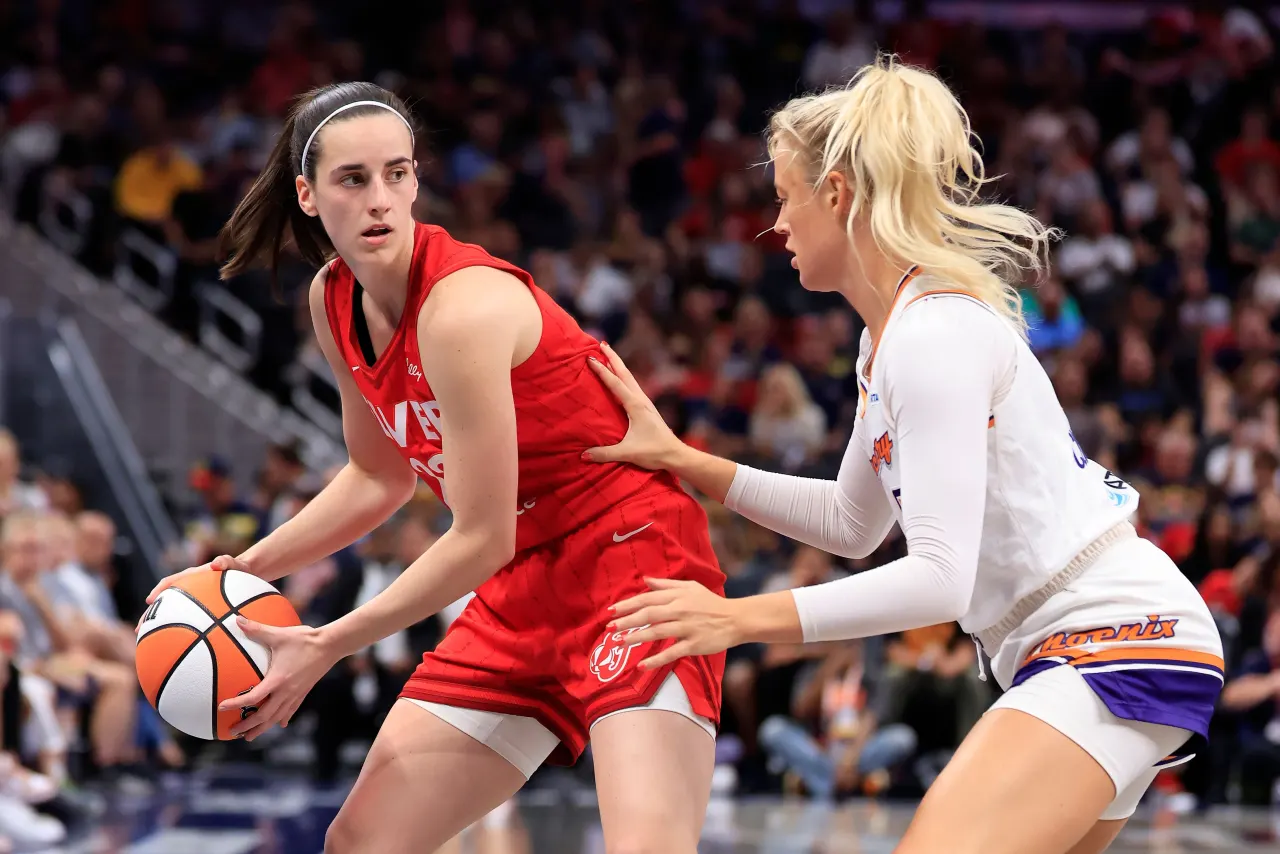
The article reports that right-wing commentators have falsely suggested that WNBA player Brittney Griner is transgender, despite her being a cisgender woman and the league having no transgender women players. It argues that the claims are part of a broader campaign against transgender inclusion in sport, which is now also exposing cisgender women athletes to harassment and demands for sex testing.
The controversy intensified after Indiana Fever player Sophie Cunningham publicly opposed trans women competing in women’s leagues, while former athletes Enes Kanter Freedom and Royce White made unsuccessful claims relating to possible WNBA draft eligibility. The WNBA said it has “no immediate eligibility matters” to address, and commissioner Cathy Engelbert described online abuse and small protests as the work of “haters”; nevertheless, social-media influencers circulated posts naming Griner and other players as supposed evidence.
In short
- The WNBA has no transgender women players.
- Brittney Griner was falsely portrayed online as transgender.
- The article links anti-trans rhetoric to harassment of cisgender athletes.
Steelman: both sides, in good faith
The strongest fair case each way — we don't pick a winner.
The case for
Right-wing commentators have deliberately spread false claims that cisgender WNBA players are transgender, generating harassment and suspicion directed at women athletes. These fabricated accusations appear designed to manufacture evidence against transgender inclusion in sports rather than engage serious fairness concerns. Such bad-faith argumentation, relying on false claims about real people, poisons legitimate debate and undermines women's sport itself.
The case against
Genuine concerns about competitive fairness and eligibility standards in women's sports remain valid and separate from any false claims by fringe voices. Serious athletes and commentators have raised substantive questions about transgender inclusion policy that deserve respectful engagement, not dismissal as harassment campaigns. The media focus on false claims risks conflating all sports fairness arguments with bad faith, preventing good-faith discussion of how inclusion policies should actually work.
Explained simply
The WNBA is the top professional women’s basketball league in the United States. Its players include Brittney Griner, a centre for the Atlanta Dream, and Sophie Cunningham, a guard for the Indiana Fever; both are women, and Griner is not transgender.
Debates about whether transgender women should be allowed to compete in women’s sport have led to proposed eligibility rules and online campaigns. The WNBA has said it has no immediate eligibility matters to address, while some commentators have made claims about players’ identities without evidence.
The issue matters because public claims about who is transgender can bring scrutiny and harassment to women athletes, including those who are not transgender. It also raises questions about how sports organisations set eligibility rules and how those rules affect athletes.