Jeanette Winterson says human choices will shape AI’s impact
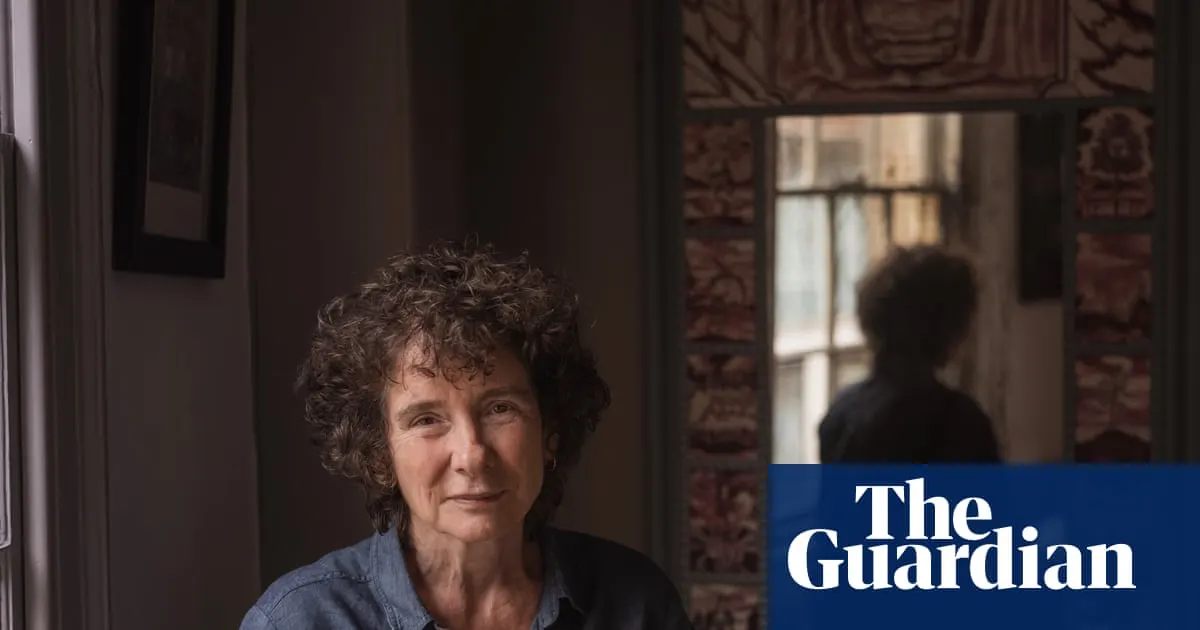
Jeanette Winterson argues that artificial intelligence marks a turning point for humanity, but its effects are not predetermined: people can choose to shape it towards a better future. She says AI should be understood as more than a tool, and that decisions about its use must draw on human feelings, imagination and knowledge of our history.
Winterson points to the Industrial Revolution as a warning: its gains were distributed unfairly, creating great wealth for some and hardship for many. She says AI could deepen inequality, leave regions without income and add pressure through the energy demands of data centres, but argues these outcomes depend on human choices. Her work has explored possible futures for years, including in her 2021 essay collection *12 Bytes*.
In short
- Winterson says AI’s future is not inevitable.
- She warns its gains could be distributed unfairly.
- Human choices will shape how AI affects society.
AI Americas Business Culture Entertainment Markets Technology TV World
Read the full article at the source →
Originally published by The Guardian as “‘There is no inevitable dystopia’: Jeanette Winterson on AI and the future of humanity”.