Entertainment news and discussion on TalkFuse.
“There were certain guidelines, and that was to stay away from long hair and guitar solos”: How Led Zeppelin, The Doors and Hendrix inspired a rule-breaking post-punk band to write one of rock’s greatest anthems
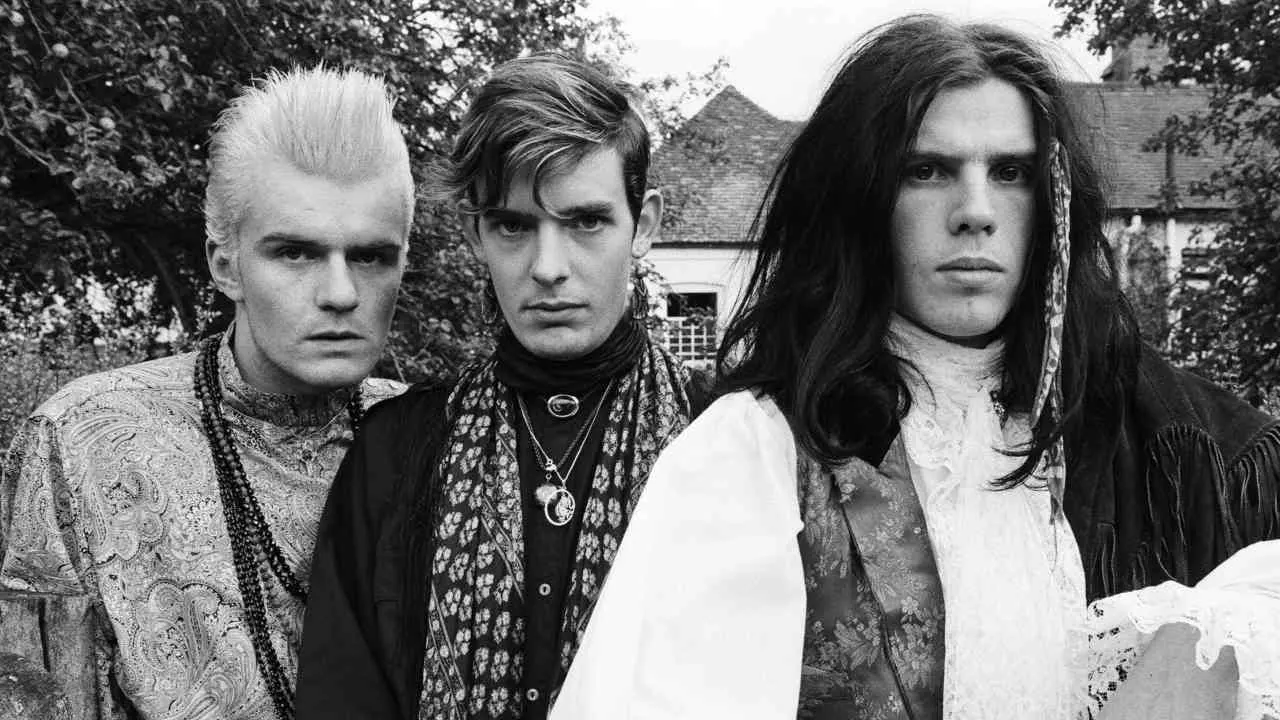
The Cult’s 1985 single She Sells Sanctuary is presented as the turning point in the band’s career, transforming them from post-punk outsiders into unexpected chart stars. Its psychedelic, gothic dance-rock sound helped it transcend its original scene and establish itself as an early alternative-rock anthem. The song also mattered because it openly embraced classic-rock influences that many post-punk musicians considered unfashionable.
Guitarist Billy Duffy and singer Ian Astbury formed Death Cult in 1982 after leaving Theatre Of Hate and Southern Death Cult, later shortening the name to The Cult before releasing Dreamtime in 1984. While their peers often avoided long hair, guitar solos and 1970s rock, Astbury and Duffy drew inspiration from Led Zeppelin, The Doors and Jimi Hendrix. She Sells Sanctuary developed quickly from a bassline adapted from Spiritwalker, Duffy’s melody and a deliberately psychedelic guitar sound influenced by 1960s music.
In short
- She Sells Sanctuary made The Cult unlikely alternative-rock stars.
- The song rejected post-punk’s disdain for classic-rock influences.
- Its sound combined psychedelic guitar, goth and dance-rock.
Explained simply
The Cult formed in Britain in the early 1980s, when post-punk bands often rejected the long hair and guitar solos associated with 1970s rock. Singer Ian Astbury and guitarist Billy Duffy had played in earlier groups before joining as Death Cult, later shortening the name to The Cult.
Astbury and Duffy took a different approach, drawing on the music of Led Zeppelin, The Doors and Jimi Hendrix. Their sound combined post-punk with psychedelic guitar and dance rhythms, influences that helped the band reach listeners beyond its original scene.
That mix made The Cult an early alternative-rock success and showed that classic-rock influences could sit alongside post-punk. The song also became one of the best-known examples of the band’s sound.