Technology news and discussion on TalkFuse.
There’s a Fatty Liver Epidemic. AI Could Help Get Ahead of It
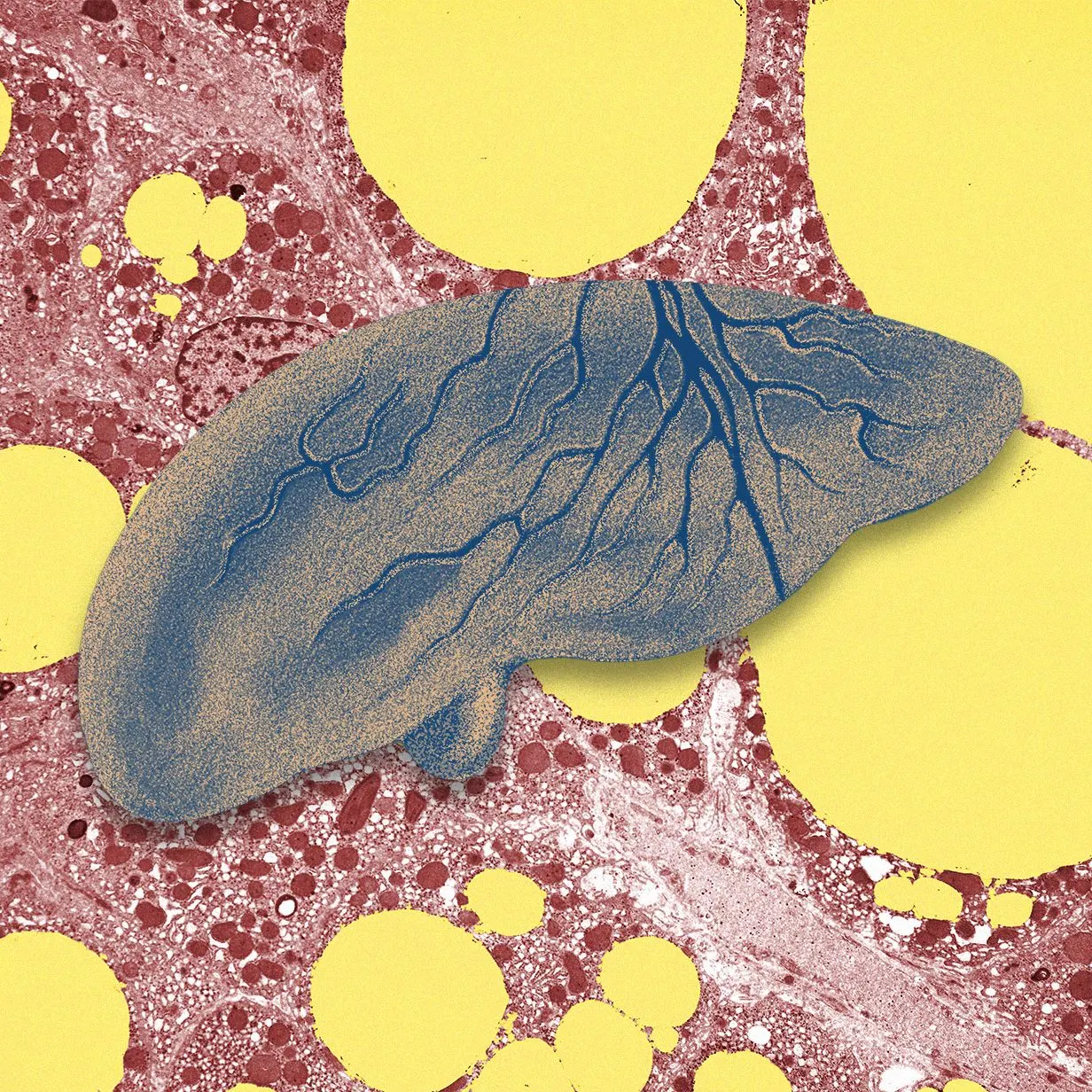
Fatty liver disease affects about 30 percent of adults worldwide and often remains undetected until severe liver damage becomes life-threatening. Researchers believe artificial intelligence could help identify high-risk patients earlier by analysing large volumes of routine health records and laboratory results, potentially allowing treatment before the disease progresses.
Early-stage liver damage can often be reversed through changes such as weight loss, improved diet, exercise and reduced alcohol intake, while medicines including semaglutide and resmetirom may help more advanced cases. Existing tests, including the Fib-4 index and enhanced liver fibrosis test, can improve detection of serious scarring, but are not routinely used; AI could make risk assessment easier without adding substantially to clinicians’ workload.
In short
- AI could identify fatty liver disease before severe damage develops
- Around 30 percent of adults worldwide are affected
- Earlier detection could enable reversible treatment
Explained simply
Fatty liver disease happens when excess fat builds up in the liver. It affects about three in ten adults worldwide and can cause few obvious symptoms, so it may go unnoticed until the liver is badly damaged.
Doctors can use blood results and other tests to estimate whether someone has liver scarring, but these checks are not routinely used for everyone at risk. Researchers are studying whether artificial intelligence could help spot patterns in routine health records and flag people who may need further assessment.
Finding liver damage early matters because changes to weight, diet, exercise and alcohol use can sometimes reverse it. Medicines may also help some people with more advanced disease, so earlier identification could give patients and clinicians more time to consider care.
AI Research Science Technology