Business news and discussion on TalkFuse.
Australia’s clean energy subsidy cuts face scrutiny over political motives
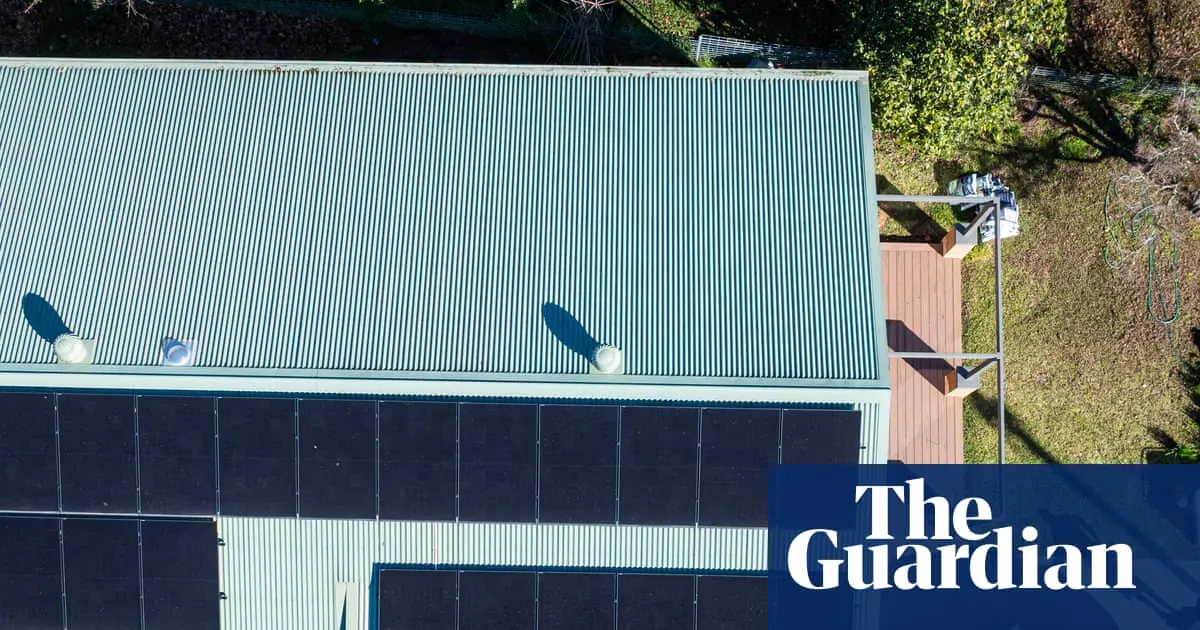
Australia’s Treasury is reportedly considering cuts to household clean energy incentives as Treasurer Jim Chalmers faces pressure to reduce spending and tackle inflation. The article argues the focus on battery and electric vehicle subsidies has a political dimension, given that larger areas of spending and tax concessions appear to offer greater scope for savings.
The home battery scheme, launched in July last year, provides a 30% rebate and was initially forecast to support one million batteries by 2030 at a cost of A$2.3bn; later estimates rose to more than three times that amount. The electric vehicle tax exemption has also proved more popular and costly than expected. The article contrasts these schemes with the NDIS, forecast to cost nearly A$54bn in 2025–26, AUKUS submarines estimated to cost up to A$368bn over the programme’s lifetime, and fuel tax credits costing about A$11bn a year. An economist quoted in the piece says battery support has a stronger case than EV subsidies, while criticising the original battery forecasts and scheme design.
In short
- Treasury is weighing cuts to household clean energy incentives.
- Battery scheme costs far exceeded its original forecast.
- The article points to much larger spending and tax concessions.
Business Economy Software Technology World
Read the full article at the source →
Originally published by The Guardian as “There’s more than a whiff of politics to the sudden call to slash Labor’s green energy subsidies”.