Culture news and discussion on TalkFuse.
“There’s nothing I like more than finding our back catalogue in the prog section alongside Yes and Genesis… we wanted to show off every aspect of what we could do as artists”: Call them what you like, but Chicago know they’re a prog band
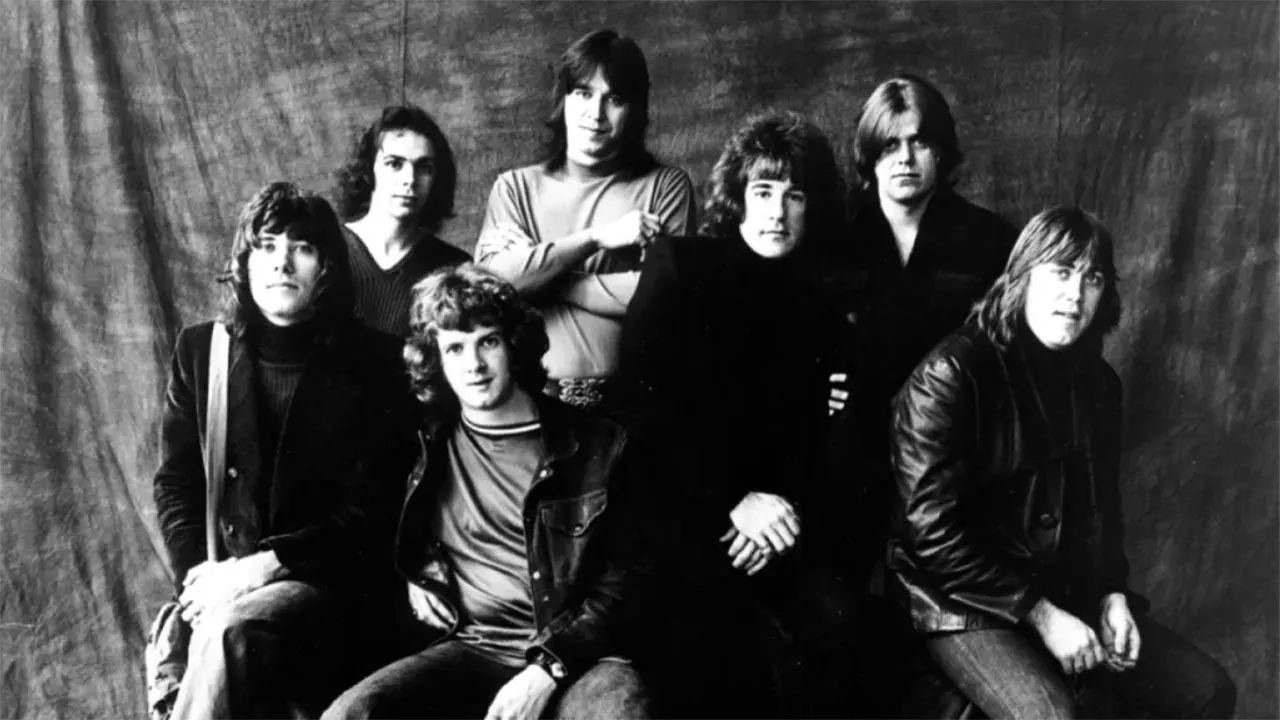
In a 2014 interview, Chicago co-founder and keyboardist Robert Lamm firmly rejected the notion that the band should be defined by their string of soft rock hits, insisting instead that Chicago has always been a progressive rock band at heart. He argued that tracks like If You Leave Me Now and Hard Habit To Break are merely part of a broader repertoire, comparing the mischaracterisation to reducing Yes to Owner Of A Lonely Heart or Genesis to Land Of Confusion, and said the band has always felt free to experiment musically without commercial pressure.
Lamm, who co-founded the group in 1967 as The Big Thing, traced this identity back to the band's origins as a university covers act in Illinois, where members reworked and extended Top 40 songs rather than simply mimicking them, eventually inspiring them to write original material. In 1968 they renamed themselves Chicago Transit Authority, relocated to Los Angeles and signed to Columbia through manager and producer James William Guercio. Mostly Autumn guitarist Bryan Josh also praised the band's ability to be convincing across both proggier material and mainstream hits, recalling first hearing them via If You Leave Me Now around 1976.
In short
- Chicago's Robert Lamm insists the band is fundamentally progressive rock.
- He says pop hits like If You Leave Me Now don't define them.
- Band started as an Illinois university covers act before signing to Columbia.
Steelman: both sides, in good faith
The strongest fair case each way — we don't pick a winner.
The case for
A band's artistic identity should encompass their full creative ambitions and technical capabilities, not merely their commercially successful work. Chicago was formed with experimental intentions and developed complex, sophisticated arrangements reflecting genuine progressive credentials; their softer hits represent only one part of a broader repertoire, and dismissing them as primarily a soft rock band overlooks their deliberate investment in musical complexity and their own understanding of themselves as artists. To reduce any band to only their chart successes represents a failure to appreciate their complete artistic vision and legacy.
The case against
A band's identity reasonably reflects both what they created and what actually defined their cultural impact. Whilst Chicago possessed musical ambitions and technical capabilities across genres, their greatest commercial success and primary public recognition came from soft rock ballads—music they actively chose to record and promote during their peak years. Self-identification matters, but so too does acknowledging that a band's dominant identity encompasses what they became known for; reframing them primarily as progressive may retrospectively recast their commercial choices without recognising how they actually shaped popular culture.
Explained simply
Chicago is an American band formed in Illinois in 1967, initially called The Big Thing. Its founding members included keyboardist and singer Robert Lamm; after developing their own material from extended versions of popular songs, they moved to Los Angeles and signed to Columbia Records with the help of manager and producer James William Guercio.
The band became known for both elaborate rock arrangements and popular songs such as “If You Leave Me Now”. Progressive rock, often shortened to prog, describes rock that experiments with musical structure, instrumentation or style; Chicago’s brass section and varied repertoire have led listeners to place some of its work in that tradition.
Art Celebrity Culture Entertainment Music