World news and discussion on TalkFuse.
Theresa May’s blast from the past calls Tories back to their unhappy place | Peter Walker
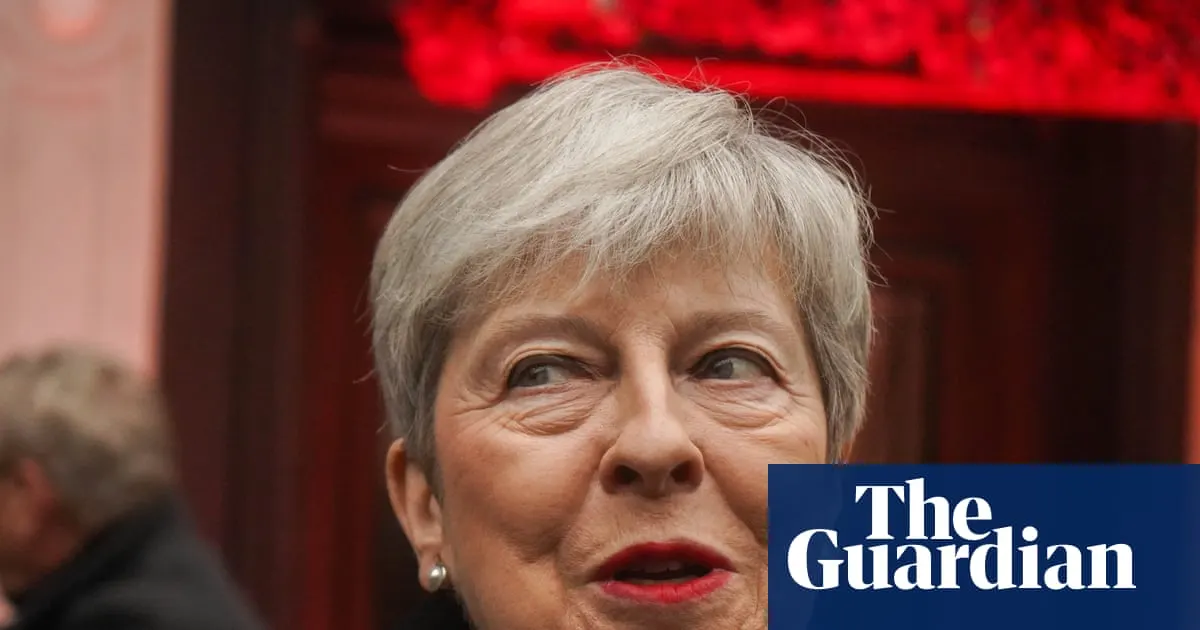
Theresa May’s renewed defence of Brexit has drawn the Conservatives back towards an issue that badly divided the party during her premiership. The article argues that, although Tories may oppose closer EU ties on instinct, they need to focus on other policies because Brexit is no longer their defining political concern.
May said it was impossible to judge Brexit’s success amid events such as Covid and Russia’s invasion of Ukraine, and argued Britain’s current condition was not about leaving the EU. Polling cited in the article suggests most Britons see Brexit as a failure and mistake, while a constituency survey found support for rejoining in 512 of 632 UK seats; 47 were too close to call and 73 favoured staying out. Kemi Badenoch plans to criticise the Prime Minister’s new EU deal, and her deputy says a future Conservative government would undo it.
In short
- May’s Brexit comments revive an old Conservative divide.
- Polling finds 512 of 632 seats favour rejoining the EU.
- The article says the Tories must now focus elsewhere.
Steelman: both sides, in good faith
The strongest fair case each way — we don't pick a winner.
The case for
May’s caution that Brexit cannot be judged apart from Covid and Russia’s invasion of Ukraine is reasonable: both brought major disruption that would have affected Britain regardless of EU membership. Conservatives may also argue that closer EU ties risk weakening the independence voters sought, and that the party should defend the benefits of leaving while scrutinising any new deal.
The case against
Critics can argue that Brexit is now sufficiently established to assess, and that polling and constituency findings suggest many voters regard it as a mistake and favour rejoining. They may say repeated focus on defending Brexit or reversing closer ties distracts the Conservatives from current priorities, while a pragmatic relationship with the EU could better serve Britain’s interests.
Explained simply
Theresa May was prime minister when Britain left the European Union, following the 2016 referendum, in which a narrow majority voted to leave. Her government struggled to agree on the terms, exposing deep divisions among Conservatives over how closely Britain should remain linked to the EU.
The Conservatives are now led by Kemi Badenoch, while the government has agreed a new deal with the EU. Brexit still shapes arguments about Britain’s relationship with Europe, but voters and political parties also face other concerns, including the economy and public services.
The debate matters because decisions about the EU affect trade, travel and cooperation between Britain and its neighbours. Views on whether leaving has benefited the country could also influence how parties set their priorities and appeal to voters.
Business Europe Politics World