Technology news and discussion on TalkFuse.
These are the three things your kids actually need to thrive in the AI revolution
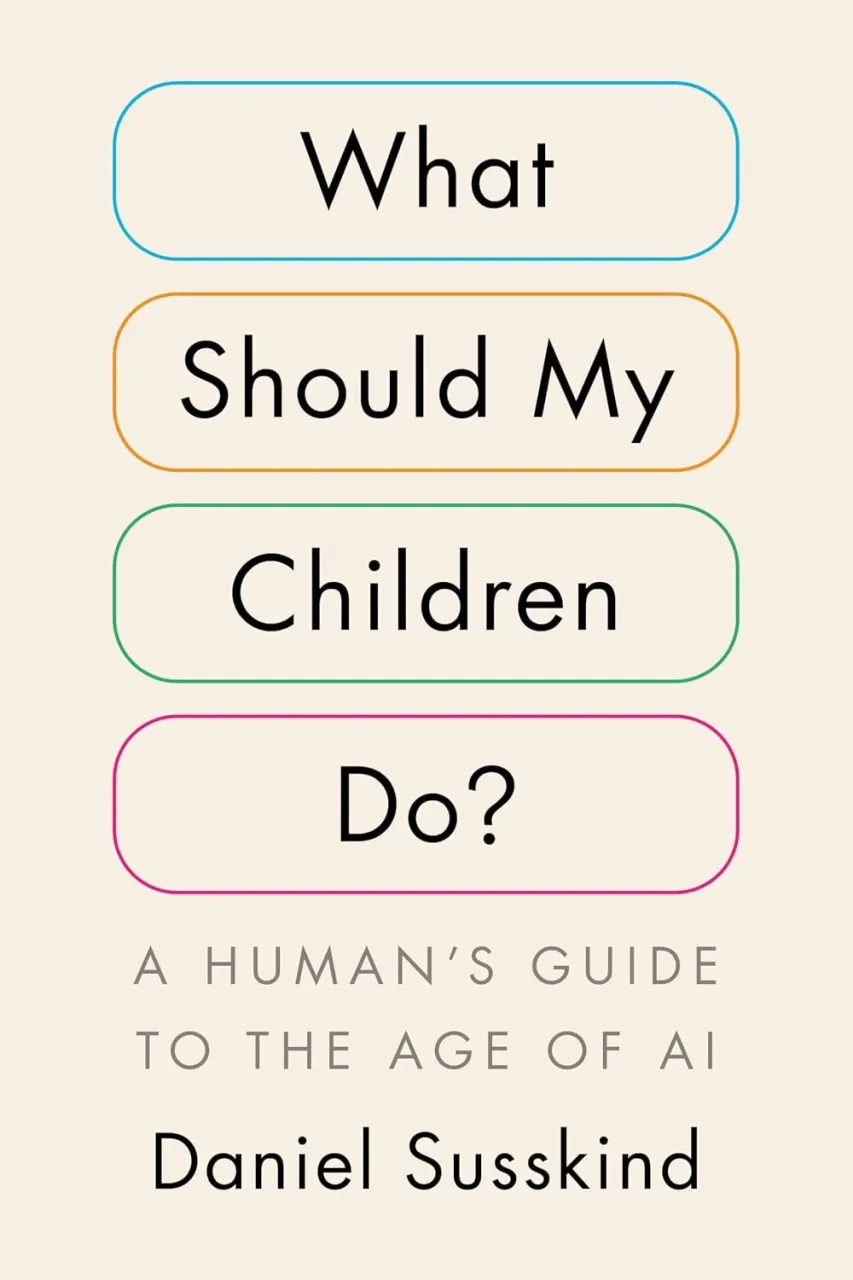
Economist Daniel Susskind says parents should prepare children for an AI-shaped world by building adaptable expertise, strong basic skills and early familiarity with AI, rather than trying to choose a career that technology cannot affect. He also criticises New York City’s temporary ban on student-facing generative AI in public schools through eighth grade, arguing that it could leave pupils unprepared for the world they will enter.
Susskind recommends traditional education, including fields such as medicine, combined with openness to changing roles and workplaces as AI develops. He stresses that children need enough maths to spot machine errors and critical reading skills to identify invented claims, and says they should learn to write arguments themselves. The article points to AI writing up to 30% of code in some Microsoft projects as a reminder that previously prized skills can quickly change in value.
In short
- Don’t try to predict an AI-proof career.
- Build children’s maths, reading and reasoning skills.
- Introduce AI early and teach children to assess its output.
Steelman: both sides, in good faith
The strongest fair case each way — we don't pick a winner.
The case for
Children will enter a workplace where AI is already changing how tasks are done, so early, guided familiarity could help them use it effectively and recognise its mistakes. Strong maths, reading and writing skills, alongside expertise and adaptability, may prepare them to judge AI outputs and adjust as roles change; restricting access at school could widen the gap between pupils who can explore these tools and those who cannot.
The case against
Schools may reasonably limit student-facing generative AI while pupils are developing the knowledge and judgement needed to assess its outputs. Heavy reliance on these tools could weaken practice in writing, reading and problem-solving, or expose children to unreliable material; schools can teach durable skills first and introduce AI in supervised ways once they can do so responsibly.
Explained simply
Artificial intelligence (AI) systems can perform tasks such as generating text and helping write computer code. As these tools spread through workplaces, the skills employers value may change, and some jobs may be reshaped.
Economist Daniel Susskind argues that children will need solid foundations in subjects such as maths and reading, alongside the ability to adapt as work changes. He also says they should learn how AI works and how to check its output, since these systems can make mistakes or invent claims.
The debate includes how much schools should limit pupils’ use of generative AI, which creates new text or other content from prompts. New York City temporarily barred pupils through eighth grade from using student-facing generative AI in public schools, a policy Susskind criticises.