Culture news and discussion on TalkFuse.
Startup’s smart glasses aim to turn silent mouthing into text
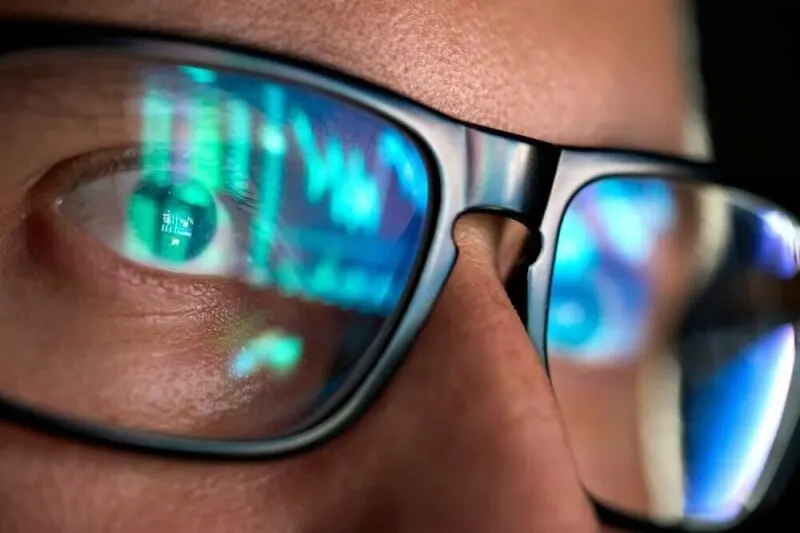
Subvocal, a startup founded by two Georgia Tech computer science students, is developing smart glasses that convert silent mouth movements into text. The idea is to let people dictate messages, code and commands to computers without speaking aloud, potentially offering a quieter alternative to voice input and keyboards.
The prototype uses low-powered radio waves to detect changes in facial muscles and shape as the wearer mouths words, then translates those signals into text. The founders say it can decode speech at more than 200 words per minute, but have not provided an accuracy rate or details such as battery life. A preorder costs $199 upfront, with a further $300 due when the glasses ship; the company lists a planned Q1 2027 release.
In short
- Subvocal is building glasses that turn mouthed words into text.
- The prototype reportedly decodes speech at over 200 words per minute.
- Preorders cost $199 upfront, with a Q1 2027 release planned.
Steelman: both sides, in good faith
The strongest fair case each way — we don't pick a winner.
The case for
If the technology works reliably, silent dictation could make messaging, coding and other computer tasks faster while avoiding the noise and social awkwardness of speaking aloud. It may also offer a useful input option for people who cannot or prefer not to use voice or keyboards, and could make hands-free computing more practical.
The case against
The product’s benefits remain uncertain without an independently supported accuracy rate or details on battery life, and its high total price asks customers to take a substantial risk before release. Always-ready sensing of facial movements may also raise questions about privacy, comfort and how well the glasses work across different users and settings.
Explained simply
Silent speech is communication formed by moving the lips and facial muscles without making a sound. Subvocal, a startup founded by two computer science students at Georgia Tech in the US, is developing glasses that use low-powered radio waves to detect those movements and turn them into text.
The aim is to let people enter messages, code or commands without speaking aloud or typing on a keyboard. This could offer another way to interact with computers, though details such as how accurately the prototype works and how long its battery lasts have not been provided.
Read the full article at the source →
Originally published by The Register as “These smart glasses promise to turn your silent mouth movements into text”.