Houthi strike on Saudi airport raises fears of wider regional escalation
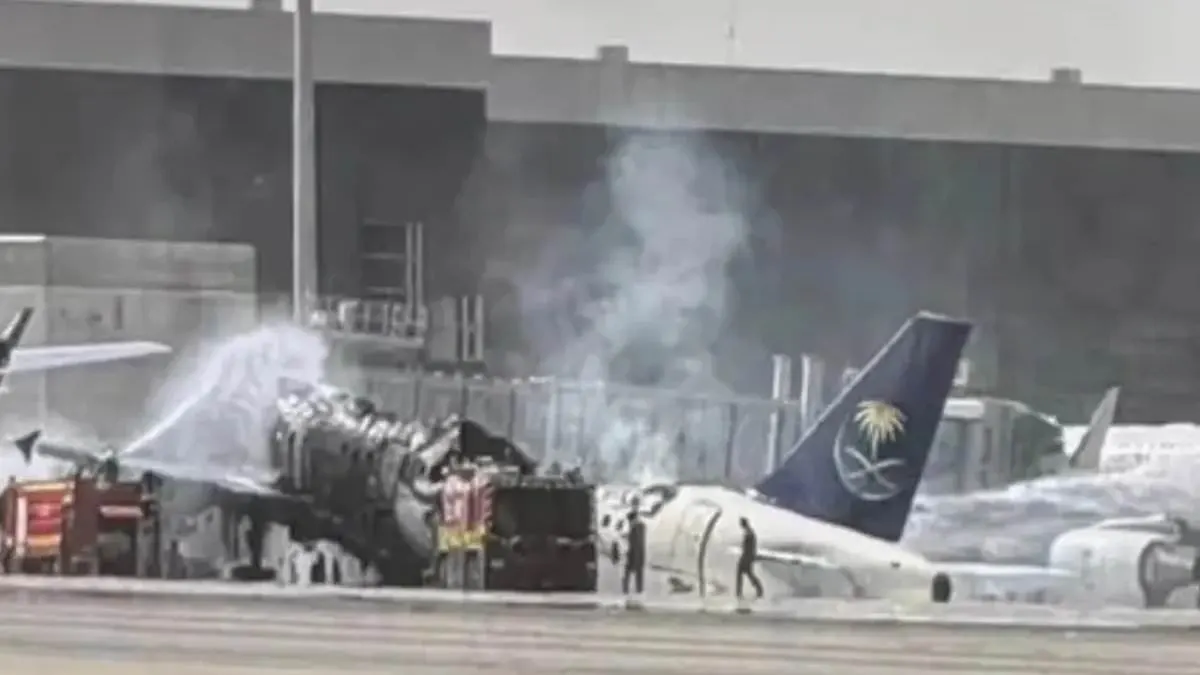
Iran-backed Houthi forces struck King Khalid Airport in Saudi Arabia, prompting a pledge of a major response from the kingdom and consideration of US involvement. The attack raises fears of further escalation in the US-Iran conflict and a wider regional war, as attacks on civilian infrastructure become more brazen.
The Houthis have warned people away from Saudi airports and airspace, seeking to disrupt the kingdom and pressure it over its campaign in Yemen. Saudi Arabia spent more than $83 billion on its military last year, but its extensive infrastructure is difficult to defend against relatively inexpensive missiles and drones. Houthi threats to shipping near the Bab al-Mandeb Strait have also caused vessels to divert around Africa, increasing journey times and freight costs, with potential knock-on effects for prices and energy supplies.
- Houthis struck Saudi Arabia’s main airport.
- The kingdom has vowed a major response.
- Red Sea threats risk higher shipping and consumer costs.
New here? Start with this
The Houthis are a rebel group based in Yemen that is backed by Iran. Saudi Arabia has been conducting a military campaign in Yemen for several years, and the Houthis have responded by attacking Saudi targets, including civilian infrastructure. These attacks reflect a broader regional power struggle between Saudi Arabia and Iran.
Saudi Arabia's military is well-resourced, but its infrastructure has proved difficult to defend against the relatively inexpensive missiles and drones that the Houthis deploy. The group's willingness to attack civilian targets means that further escalation could draw in the United States, which backs Saudi Arabia. Observers worry the conflict could expand beyond Yemen into a broader regional confrontation between the US and Iran.
The Houthis have also attacked shipping in the Red Sea's Bab al-Mandeb Strait, a critical global trade route. This has forced many vessels to take much longer routes around Africa, increasing freight costs and journey times. The disruptions have potential knock-on effects for global prices and energy supplies.
Both sides, in good faith
The strongest fair case each way — we don't pick a winner.
The case for
Saudi Arabia has legitimate rights to defend its sovereignty and civilian infrastructure from attack. The Houthis' increasingly brazen strikes represent a serious escalating threat that demands proportionate consequences—without meaningful response, attackers interpret restraint as weakness and are emboldened to strike again. A measured, focused response is not escalation but responsible statecraft necessary to restore deterrence and protect the kingdom's citizens and economic interests.
The case against
Whilst defending against attacks is legitimate, escalatory military responses risk triggering a wider regional conflict with devastating humanitarian and economic consequences, as evidenced by current global shipping disruptions. The Houthis' actions, however troubling, stem from Yemen's conflict and civilian suffering caused partly by Saudi operations. Rather than pursuing tit-for-tat escalation, sustained diplomatic efforts, international pressure, and defensive improvements offer more sustainable paths toward de-escalation that serve everyone's long-term interests.
Read the full article at the source →
Originally published by Daily Mail as “These subliterate fanatics threaten the richest Arab kingdom – and the economic security of all in the West: DAVID PATRIKARAKOS”.