Technology news and discussion on TalkFuse.
‘They call us old stupid farmers, you know, but we’re not’: Family declines $26 million offer to convert their farmland into an AI data center
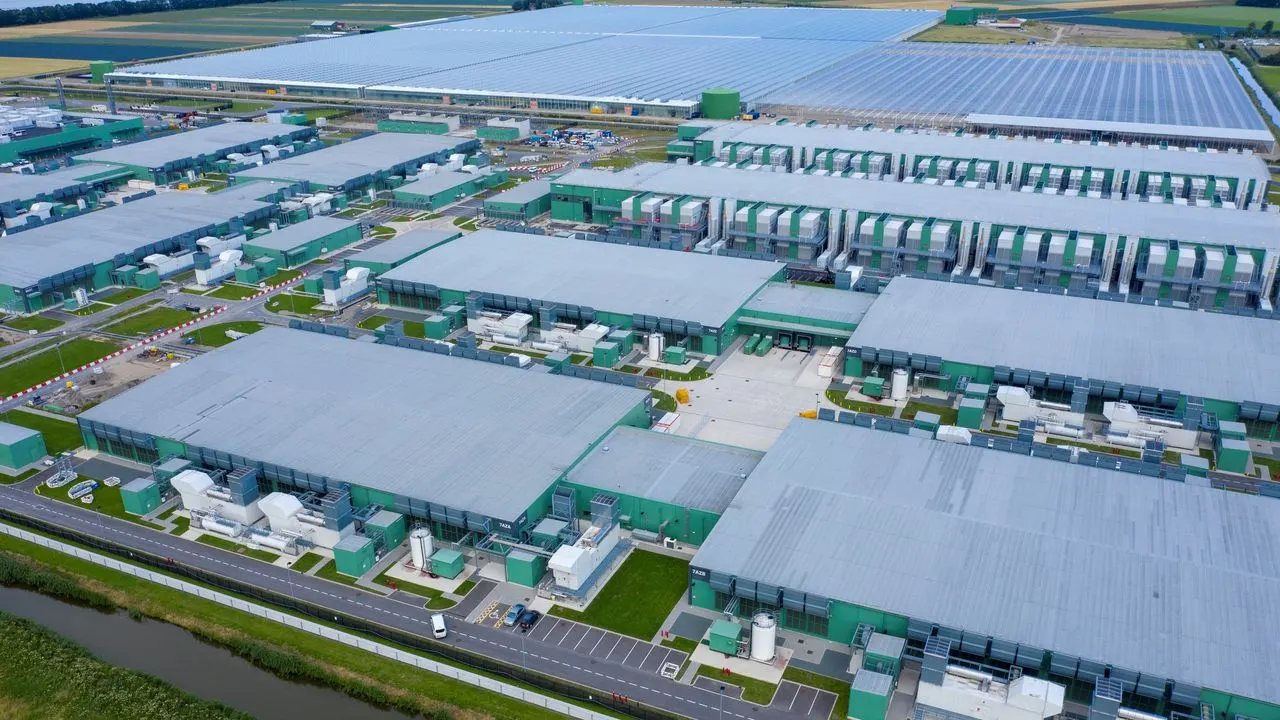
A farming family in the United States has turned down a $26 million offer from a company wanting to convert their farmland into an AI data centre, choosing to continue their agricultural work instead. The story highlights the growing tension between the rapid expansion of AI infrastructure, which requires vast tracts of land for data centres, and rural communities who feel their way of life and land are being undervalued or dismissed by tech investors.
The family pushed back against being characterised as "old stupid farmers" who could simply be bought out, framing their refusal as a defence of their identity and livelihood rather than a purely financial decision. The case reflects a wider pattern across the US, where AI companies are increasingly targeting agricultural land for data centre construction amid surging demand for computing power, often facing resistance from landowners unwilling to sell despite substantial financial incentives.
In short
- Family rejects $26 million to sell farmland for an AI data centre
- They reject being dismissed as "old stupid farmers"
- Case reflects wider clash between AI expansion and rural landowners
Steelman: both sides, in good faith
The strongest fair case each way — we don't pick a winner.
The case for
The offer represents a transformative economic opportunity that could secure the family's financial future for generations whilst contributing to critical infrastructure supporting the digital economy. AI data centres drive technological advancement and economic growth benefiting society broadly, and the substantial compensation could allow the family to pursue alternative livelihoods or ventures of their choosing. From a pragmatic perspective, preserving marginal agricultural land whilst forgoing life-changing wealth prioritises symbolic attachment over tangible security and generational opportunity.
The case against
A person's fundamental right to refuse an offer, regardless of its size, should be grounded in personal values and autonomy rather than mere financial calculation. Agricultural land provides irreplaceable food security, environmental stewardship, and sustains rural communities and ways of life that possess inherent worth beyond their economic productivity. The dismissive framing of farmers as unsophisticated reveals a broader devaluation of rural communities by urban tech interests, and such sales accelerate the erosion of agricultural heritage, rural identity, and local self-determination.
Explained simply
AI data centres are large facilities that house computers used to store information and run online services, including artificial intelligence tools. They need substantial land, electricity and cooling, so companies seeking sites may approach owners of farmland.
In the United States, some landowners have received large offers from companies interested in building these facilities. For farming families, selling can mean giving up land that supports their work and has been part of their lives, while a data centre can bring changes to the surrounding area.
The family’s decision reflects a broader question about how rural land is used as demand for computing power grows. It also shows that landowners may weigh their livelihood and connection to the land alongside the money on offer.