Entertainment news and discussion on TalkFuse.
“They didn’t see it as a sign of respect”: The awful practice that plagued punk concerts in the 1970s
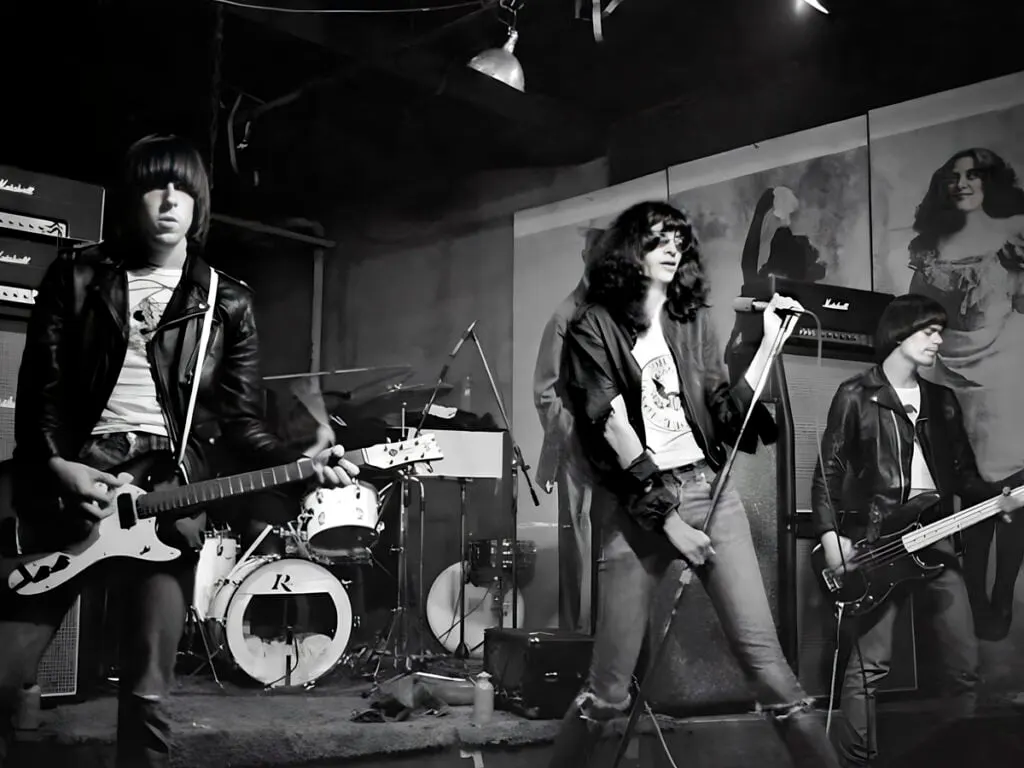
The article, from Far Out Magazine, uses recent complaints from artists such as Olivia Rodrigo and Noah Kahan about fans behaving badly at gigs as a springboard to look back at "gobbing" – the practice of spitting between bands and audiences that was rife at punk concerts in the 1970s. Far from being a modern low point in gig etiquette, the piece argues that unruly and unsanitary crowd behaviour has a long history, with punk's grimy origins at New York's CBGB club evolving into a distinctly British habit of mutual spitting once the scene crossed the Atlantic.
The piece traces gobbing's likely origins to a mid-1970s show where The Damned's drummer Rat Scabies spat at a fan who had thrown a bottle onstage, a moment often cited as the spark for the wider trend. It also recounts how the Ramones and Talking Heads encountered the practice firsthand at London's Roundhouse in 1977, with David Byrne recalling that audiences saw spitting as a show of solidarity, "we're with you, so we're gonna spit on you", something the Ramones, lacking the Talking Heads' leather jackets, bore the brunt of and clearly did not appreciate.
In short
- Article links modern gig bad manners to 1970s punk "gobbing" culture.
- Gobbing may have started when The Damned's Rat Scabies spat at a fan.
- Ramones and Talking Heads got spat on by fans at London's Roundhouse, 1977.
Explained simply
Punk grew from a stripped-back, rebellious music scene that took hold in New York in the mid-1970s, with the CBGB club among its best-known venues. As the music crossed to Britain, the scene developed its own customs, including “gobbing”: fans spitting towards performers, who sometimes spat back.
The practice is often linked to a mid-1970s incident involving The Damned’s drummer, Rat Scabies, after a fan threw a bottle onstage. By 1977, visiting American bands such as the Ramones and Talking Heads had encountered gobbing at London gigs. Some fans treated it as a sign of solidarity, but performers did not necessarily welcome it.