Culture news and discussion on TalkFuse.
‘They Fundamentally Don’t Understand Art’ — Doom Dev Blasts Xbox After Microsoft ‘Gutted’ id Software With Layoffs
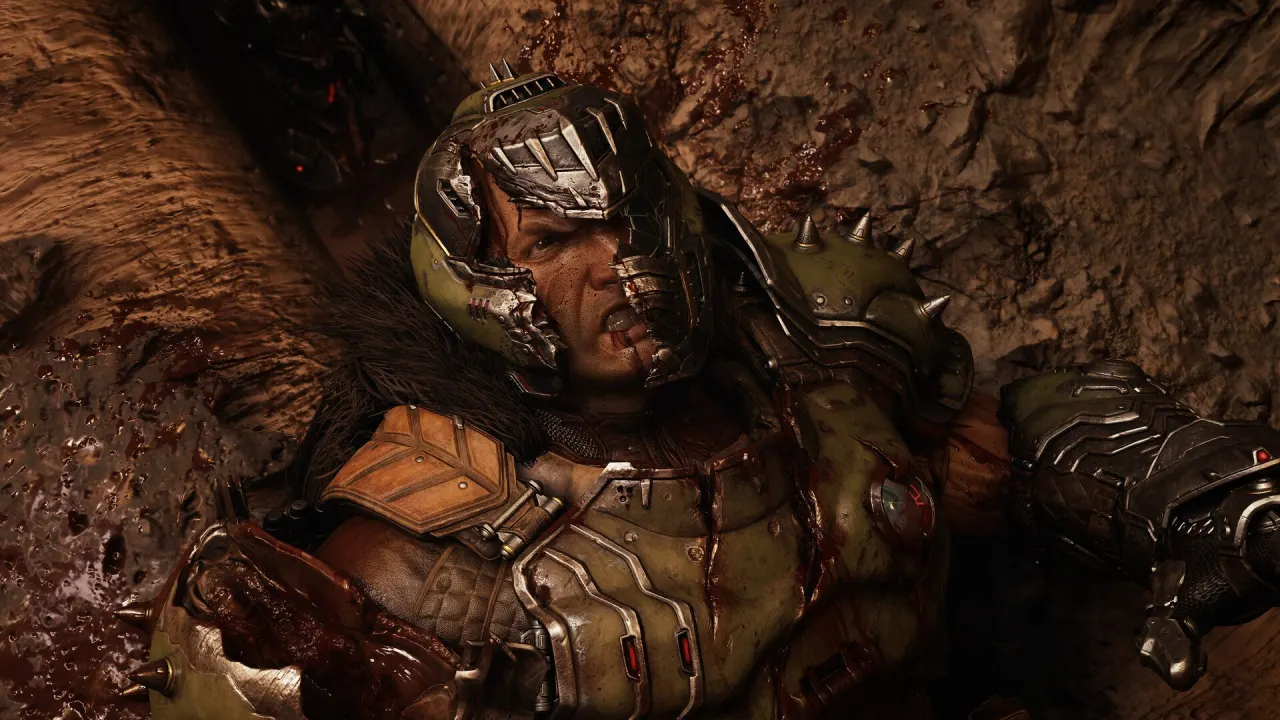
Chris Hays, a lead services programmer at id Software who has worked at the studio since 2010, has publicly criticised Microsoft and Xbox following July's layoffs, which cut 136 staff from the Doom developer. Speaking on the podcast Auf ein Bier, Hays said Microsoft "fundamentally don't understand art" and rejected reassurances from studio management that id remains capable of producing the same calibre of games, arguing the cuts have hollowed out entire departments and disciplines essential to AAA development.
Hays said id now employs fewer people than worked on 2016's Doom, despite id having stated it was "about the same size" as during that era, and claimed the studio still has "the crew we need" to build its signature games and technology. He argued that later titles such as Doom Eternal and Doom: The Dark Ages required roughly twice the staff of Doom 2016, questioning whether the diminished team could now produce anything beyond something comparable to a single-player Xbox 360-era game. He also accused management of sticking to approved "talking points" to prevent further departures, and said he had no clear explanation for why the layoffs hit id as hard as they did, though the discussion touched on Xbox's Game Pass strategy as a possible factor.
In short
- Id Software programmer Chris Hays slams Xbox over July's 136-person layoffs
- Hays says studio is now "half" its former self, disputing management's reassurances
- He questions if the reduced team can still make AAA-calibre Doom games
Steelman: both sides, in good faith
The strongest fair case each way — we don't pick a winner.
The case for
Microsoft must make difficult but necessary decisions to ensure long-term sustainability across its studios, and streamlining operations can eliminate redundancy without proportional impact on creative output. The company remains committed to id Software's future, and management's assessment that the studio retains the essential personnel for major projects merits reasonable credence alongside legitimate cost management imperatives. Business decisions require balancing financial health with operational capability, and such trade-offs, whilst painful, are sometimes unavoidable.
The case against
The layoffs appear to have reduced id Software's headcount below 2016 levels whilst management claims operational capacity remains equivalent, a disconnect that raises legitimate concerns about the accuracy of those assurances. AAA game development inherently requires diverse, specialised disciplines across art, audio, programming and other departments; significant cuts may have eliminated key expertise that cannot be easily replaced. The scale of recent projects like Doom Eternal reportedly required roughly double the staff of Doom 2016, making substantial workforce reductions inconsistent with maintaining equivalent creative output and suggesting the studio may struggle to deliver future titles of comparable quality.
Explained simply
id Software is a US game studio best known for the Doom series, in which players fight their way through fast-paced, science-fiction settings. Making a large modern game takes people with many different skills, from programming and design to art, sound and testing.
Microsoft owns Xbox, which includes id Software and publishes games for its consoles and PC. Its Game Pass subscription gives players access to a library of games for a monthly fee, and the service forms part of Xbox’s wider business strategy.
Layoffs reduce the number of people working at a company, but their effects can vary depending on which roles and teams are affected. The debate over id Software’s cuts centres on whether a smaller studio can keep making games at the same scale, and how its parent company weighs creative work against business priorities.
Art Culture Entertainment Gaming Software Technology