Entertainment news and discussion on TalkFuse.
“They had their own code… They would communicate with each other via eye contact and head movements. It was amazing how many long, nuanced phrases they could play that way”: How Rush made Signals
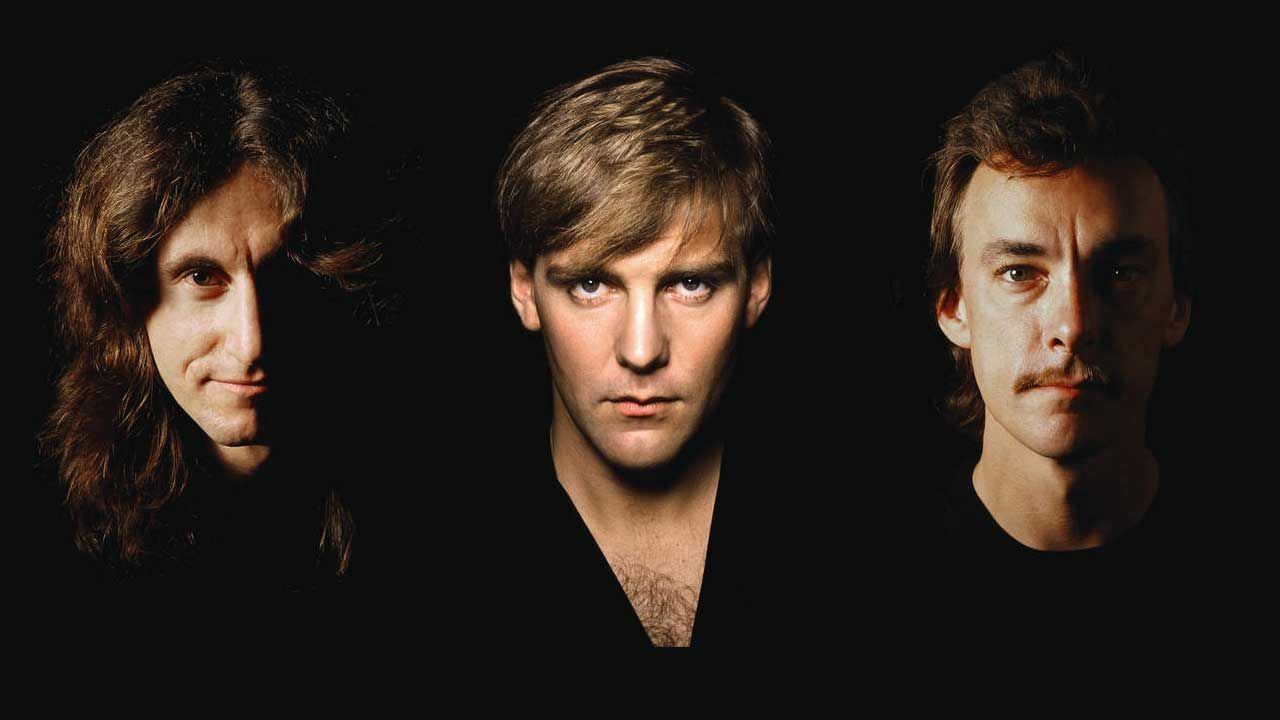
Prog magazine has revisited the making of Rush's 1982 album Signals, the Canadian trio's ninth studio record and their final collaboration with longtime producer Terry Brown. The feature, published to mark the album's 40th anniversary reissue in April 2023, explores how the band deliberately steered away from repeating the sound of its predecessor, Moving Pictures, instead pushing further into keyboard-driven territory. It also highlights the remarkable non-verbal communication between band members, who reportedly developed their own system of eye contact and head movements to convey complex musical cues while performing.
The piece traces the album's origins partly to the launch of the Space Shuttle Columbia on 12 April 1981, watched by NASA staff and invited guests from Kennedy Space Center in Florida — the first reusable spacecraft and the biggest step in space exploration since the Moon landings twelve years earlier. Band members' ability to communicate wordlessly, playing long and nuanced musical phrases through subtle gestures alone, is presented as a striking insight into their close creative chemistry during this pivotal, more experimental period of their career.
In short
- Prog revisits Rush's 1982 album Signals for its 40th anniversary
- Signals marked a deliberate shift away from Moving Pictures' sound
- Band used eye contact and head movements as a private musical code
Explained simply
Rush is a Canadian rock band that became prominent in the 1970s playing progressive rock. Signals, released in 1982, was their ninth studio album and represented a significant artistic shift, moving further into keyboard-driven music and away from the sound of their previous album Moving Pictures. The album is now being revisited for its 40th anniversary reissue.
What makes the creation of Signals particularly interesting is the extraordinary non-verbal communication system the three band members developed. Rather than using words, they communicated through eye contact and subtle head movements to convey intricate and nuanced musical phrases whilst recording and performing. This glimpse into their creative partnership shows just how deeply attuned these musicians were to one another.