They paved paradise: Historic marvel built nearly 200 years ago meets a sad end as it’s demolished and replaced with a parking lot
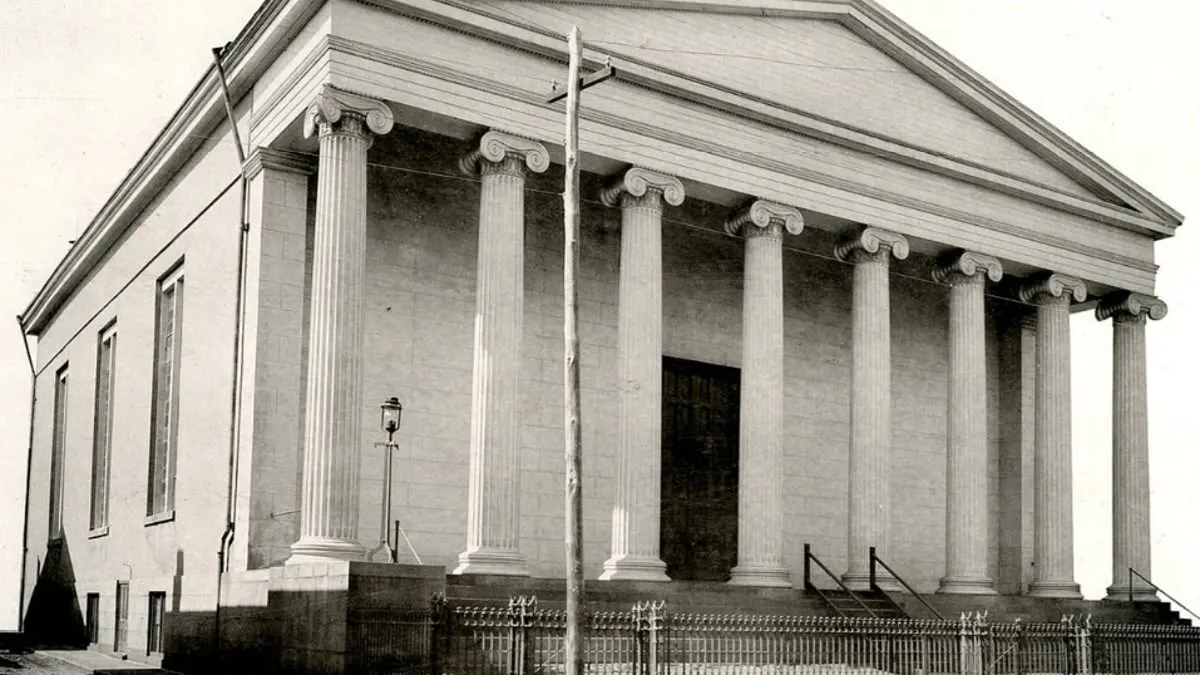
Providence’s Rialto Theatre has been demolished after city officials judged the building to be a public safety hazard. The loss ends the nearly 200-year history of a prominent downtown structure, and the site is expected to become parking for a nearby hotel.
Built in 1829 as Westminster Congregational Church in a Greek temple style, it later served as a skating rink and a theatre for Vaudeville and early films. It became the Rialto Theatre in 1919 and later housed shops, offices and a restaurant; its owner bought it in 2019 for $780,000. Officials cited an unstable roof and walls, falling exterior material and water damage to the foundation, despite preservationists having listed it as endangered in 2019.
In short
- Providence has demolished the historic Rialto Theatre.
- The building dated to 1829 and had several uses.
- The site is expected to become hotel parking.
Steelman: both sides, in good faith
The strongest fair case each way — we don't pick a winner.
The case for
Demolition can be justified if the unstable roof and walls posed a serious risk to passers-by and the building could not be made safe at a reasonable cost. City officials have a duty to protect public safety, and clearing the site may allow it to be put to practical use, including parking that supports nearby businesses and visitors.
The case against
A building with nearly two centuries of civic and cultural history can be worth preserving even when it is in poor condition. Preservationists could argue that repair or a new use should have been explored before demolition, since losing the Rialto is irreversible and replacing it with parking offers less public and architectural value.
Explained simply
Providence is the capital of Rhode Island, in the United States. The Rialto building began in 1829 as Westminster Congregational Church, designed in a Greek temple style; over time, it was also used for skating, entertainment, shops and offices.
The theatre’s changing uses reflect how older buildings can become part of a city’s commercial life as well as its history. Preservationists had identified the building as endangered, while city officials said its damaged roof, walls and foundation made it unsafe. The planned parking use links the site to a nearby hotel.