Culture news and discussion on TalkFuse.
‘They played noughts and crosses on the PM’s huge forehead!’ An Indian standup picks his favourite gen Z protest memes
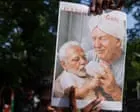
An Indian standup comedian, Anuvab Pal, reflects on how gen Z protesters in Delhi transformed a serious political scandal into a viral wave of satire, memes and comedy rather than the traditional grim style of Indian street protest. The protests began after a medical exam paper was leaked and education minister Dharmendra Pradhan was accused of failings, prompting educator Sonam Wangchuk to go on hunger strike; a satirical collective called the Cockroach Janata party rallied support and students flooded Delhi's Jantar Mantar area, where police responded with force. Instead of conventional sloganeering, the protesters used humour to confront both the government and the media that supports it, a shift the writer, who has performed standup in India for 16 years, found genuinely surprising.
The article, written from the comedian's personal perspective, highlights examples such as a viral video of students at a train station chanting "the prime minister is a thief," and a signed cartoon showing Prime Minister Narendra Modi being kissed by two billionaires. It also references memes depicting Modi and Donald Trump, and imagery involving noughts and crosses drawn on the PM's forehead, illustrating how young protesters used doctored videos, AI-generated content and viral art to spread their message across Indian social media, in contrast to India's long-standing, more sombre protest traditions.
In short
- Gen Z Indian protesters used memes and satire, not slogans
- Protests followed a leaked exam paper and hunger strike row
- Comedian says humour-driven activism achieved political impact
Steelman: both sides, in good faith
The strongest fair case each way — we don't pick a winner.
The case for
Humour and memes can make a serious protest more accessible, memorable and difficult to ignore, especially for younger people who communicate through social media. By mocking leaders and media allies, protesters can challenge authority and expose perceived failures without relying on the sombre conventions of earlier movements.
The case against
Turning a serious scandal into viral comedy may draw attention away from the exam leak and its consequences for students, replacing scrutiny of evidence and accountability with spectacle. Doctored or AI-generated images can also blur fact and satire, while personal mockery may alienate people who would otherwise support demands for a fair investigation.
Explained simply
A political scandal in India centred on a leaked medical examination paper and allegations against education minister Dharmendra Pradhan has drawn significant attention. The incident prompted educator Sonam Wangchuk to begin a hunger strike, raising broader concerns about educational standards and government accountability.
Rather than staging conventional protests with serious slogans, a wave of young demonstrators gathered at Jantar Mantar in Delhi and responded with creativity and humour. They used viral videos, memes and doctored images on social media to mock the government and media outlets they believed supported it, spreading their message through AI-generated content and satirical cartoons instead of traditional sloganeering.
This shift marks a departure from India's long-standing tradition of solemn street demonstrations. The use of comedy and internet culture by gen Z protesters illustrates a generational change in how young Indians choose to confront political failures and express dissent.
Art Asia Culture Government Politics Trending Weird & Viral World