World news and discussion on TalkFuse.
“They punched their way to the front and started spitting at us.” The story behind the violent, riotous gig which got the Rolling Stones banned from an English seaside town for 44 years
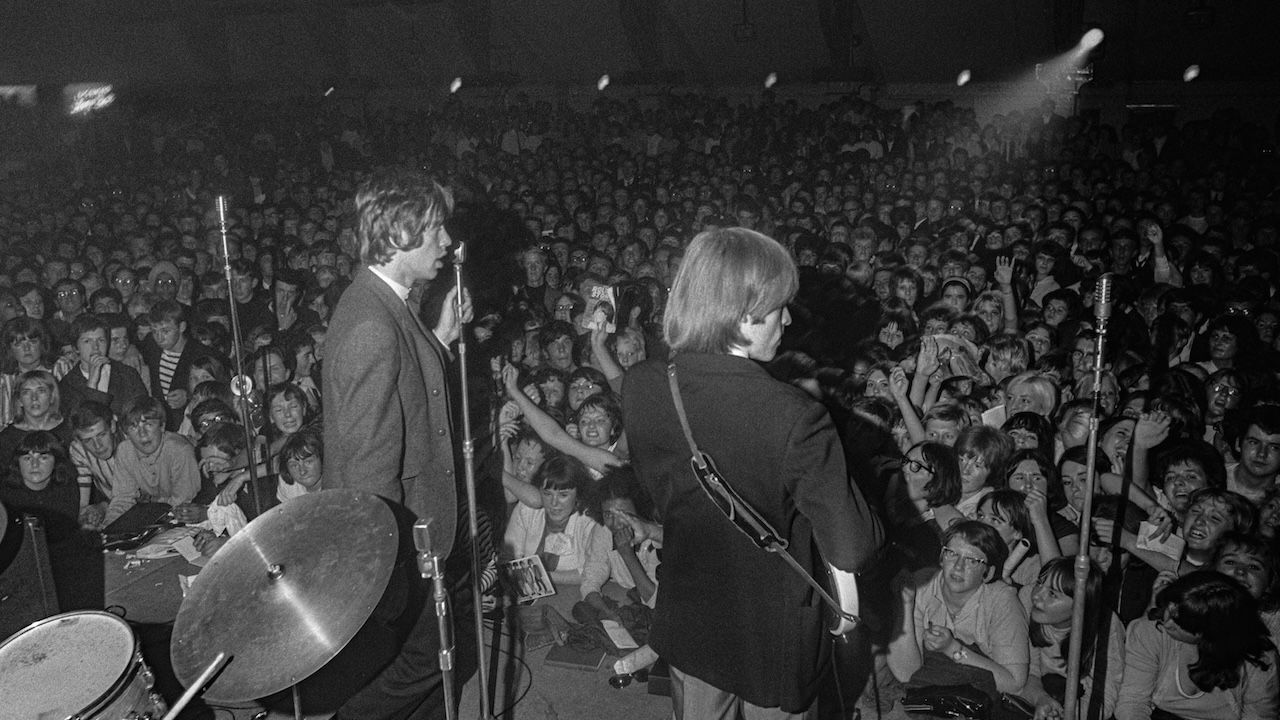
In July 1964, a Rolling Stones concert at Blackpool’s Empress Ballroom descended into violence when fans fought their way forward and spat at the band. The disorder led the seaside town to ban the group from performing there, a prohibition that lasted 44 years and became one of the most notorious incidents of their early career.
The event came during a pivotal year for the Stones, who had achieved their first two UK number-one singles, released their debut album and made their first US tour. Their American dates had reportedly been disappointing, and the Blackpool riot showed that their rapid rise in Britain was also attracting intense and unruly crowds.
In short
- A 1964 Blackpool concert by the Rolling Stones ended in violence.
- The band were banned from the town for 44 years.
- The riot occurred during their breakthrough year.
Steelman: both sides, in good faith
The strongest fair case each way — we don't pick a winner.
The case for
The violence that erupted at the Blackpool concert demonstrated that Stones performances attracted crowds prone to serious disorder and posed genuine public safety risks. Towns have a legitimate responsibility to protect their residents and venues by restricting events with documented propensity for violence. The 44-year prohibition reflected Blackpool's assessment that the band's return would likely invite similar disturbances, making the ban a reasonable protective measure.
The case against
The band members themselves did not incite or commit the violence – their fans did. Penalising artists for audience behaviour beyond their control sets a troubling precedent of collective punishment that violates principles of fairness and individual responsibility. A 44-year ban was grossly disproportionate and deprived Blackpool's residents of cultural opportunities based on speculative assumptions rather than the band's actual culpability.
Explained simply
The Rolling Stones were at the height of their early popularity in 1964, having recently achieved their first UK number-one singles and released their debut album. Their rapid rise had made them one of Britain's most successful musical acts, and their performances were increasingly attracting large, passionate crowds.
In July 1964, a Rolling Stones concert at Blackpool's Empress Ballroom descended into violence when fans fought their way forward and spat at the band. The disorder prompted Blackpool's local authorities to take action against the group.
The incident resulted in Blackpool banning the Rolling Stones from performing in the town for 44 years, one of the longest bans imposed on a musical act of that period. The ban highlighted the tension that had emerged between their popularity among young fans and the public order concerns their performances could generate.
Americas Art Celebrity Culture Entertainment World