World news and discussion on TalkFuse.
They say I sent too many brave Ukrainians to their deaths… but I had to do everything to stop brutal Russians, ex-commander reveals to LORD ASHCROFT
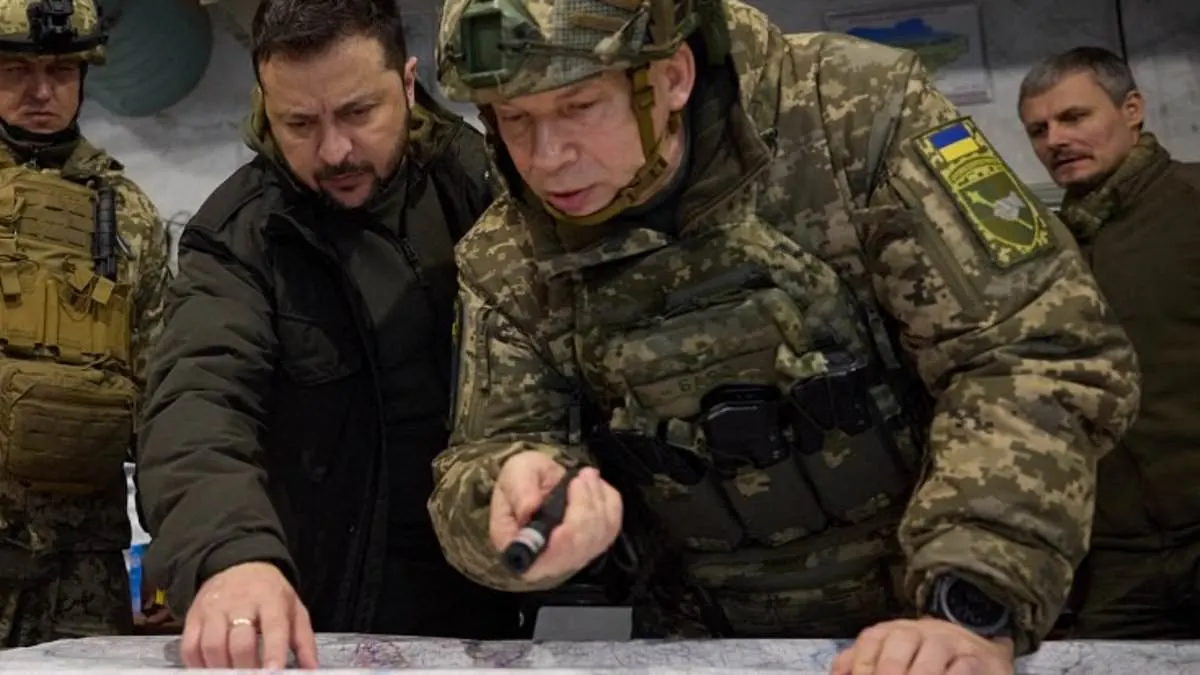
General Oleksandr Syrskyi says he made difficult decisions to defend Ukraine and stop Russian forces, despite criticism that he sent too many soldiers to their deaths. The Ukrainian commander describes the defence of Kyiv and the 2024 incursion into Russia’s Kursk region as major operations, arguing that the latter disrupted Russian plans and lifted Ukrainian morale.
Syrskyi says he began preparing Kyiv’s defences after receiving warnings from the United States and United Kingdom that Russia might invade. Ukrainian forces crossed into Kursk on 6 August 2024, capturing nearly 400 square miles and at least 28 settlements in the first week, with a further 100 square miles taken later. Russia took nearly a year to regain the territory, while the incursion and retreat cost thousands of Ukrainian soldiers their lives.
In short
- Syrskyi defends the costly decisions made to resist Russia.
- Ukraine’s Kursk incursion captured around 500 square miles at its peak.
- He cites Kyiv’s defence and the Kursk operation as key achievements.
Steelman: both sides, in good faith
The strongest fair case each way — we don't pick a winner.
The case for
A commander’s foremost duty is to protect the country and its people, and Syrskyi could argue that defending Kyiv and striking into Kursk were necessary to disrupt Russian plans, gain time and sustain Ukrainian morale. In a war against an invading force, accepting serious losses may be justified if an operation has a credible chance of preventing greater harm or improving Ukraine’s position.
The case against
Critics could argue that a commander must weigh strategic gains against the lives and future capacity of the forces under his command. If the Kursk operation’s gains were temporary and came at the cost of thousands of Ukrainian soldiers, they may question whether those losses were proportionate or whether troops and resources would have been better used to defend Ukrainian territory.
Explained simply
Russia’s full-scale invasion of Ukraine began in February 2022, bringing fighting to Kyiv and other parts of the country. Oleksandr Syrskyi, a senior Ukrainian military commander, led forces defending the capital and later became commander-in-chief of Ukraine’s armed forces.
Military leaders must weigh the aim of holding territory against the risks to soldiers. Syrskyi’s decisions have drawn criticism over Ukrainian casualties, while he says the operations were intended to defend the country and disrupt Russian plans.
In August 2024, Ukrainian forces crossed into Russia’s Kursk region and took control of territory there. The operation raised questions about its military value and human cost, and its effects on the course of the war.